Trump Lifts Some Canada Tariffs Ahead Of Midterm Elections
Source Entity
NDTV News Search Records Found 1000
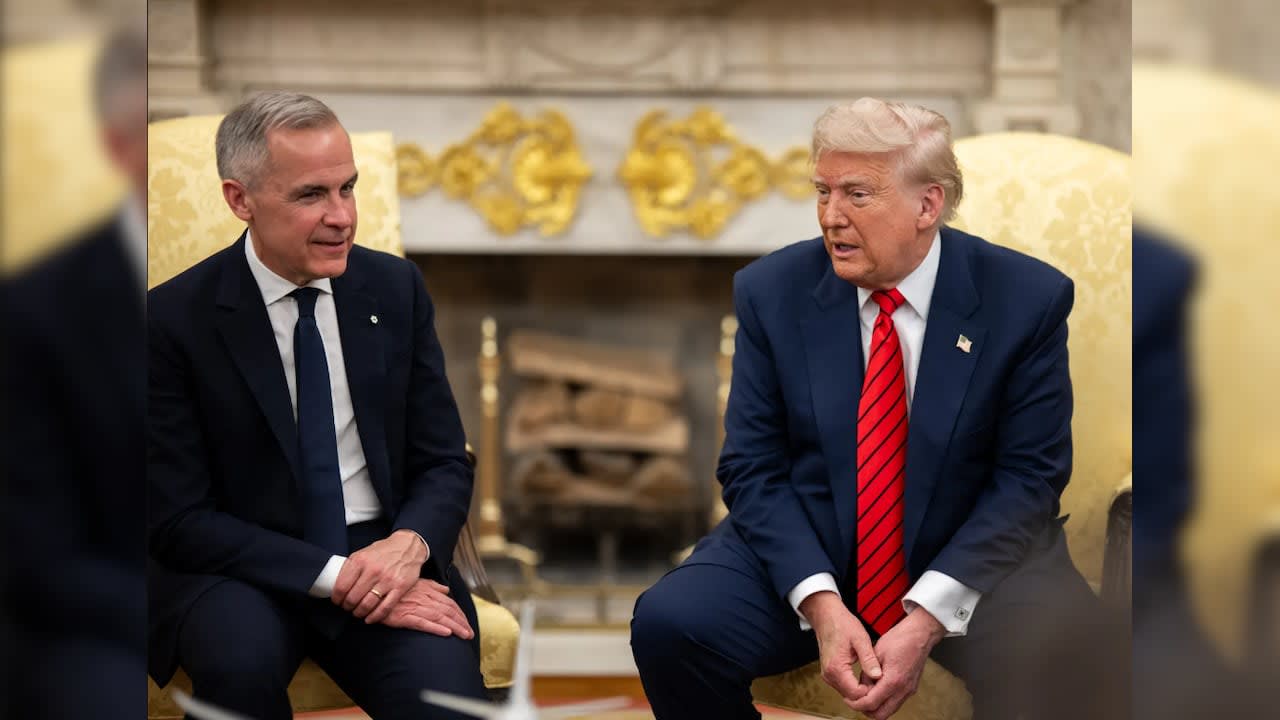
The Trump administration has eased specific tariffs on Canadian imports following lobbying by Maine Senator Susan Collins. This move, arriving just before the midterms, aims to provide economic relief to Maine businesses heavily reliant on trade with Canada.
Trade Policy and Political Strategy in Maine
The announcement that the United States will issue targeted tariff exemptions on Canadian imports marks a significant shift in the administration's protectionist trade posture. By removing levies on specific categories such as plywood, select paper products, and refrigeration equipment, the administration is addressing friction points that have strained the deeply integrated economies of the U.S. and Canada. This decision, scheduled to take effect on October 30, serves as a direct response to the economic pressures felt by northern border states.
The Role of Senator Susan Collins
Central to this policy adjustment is the lobbying effort of Republican Senator Susan Collins of Maine. Facing a highly competitive midterm election, Collins has positioned herself as a moderating force against the administration's broader trade war. For Maine, which relies on Canada as its primary foreign trade partner, these tariffs represented a significant economic burden. By securing these exemptions, Collins aims to demonstrate her effectiveness in navigating the complexities of her own party’s trade agenda while advocating for her constituents' specific needs.
Economic Implications for Maine
Maine’s economy is uniquely susceptible to shifts in U.S.-Canada trade policy. The state’s reliance on cross-border logistics and manufacturing means that broader protectionist measures often manifest as localized economic pain. The removal of tariffs on machinery and paper products provides a tangible reprieve for local industries, potentially mitigating the criticism from political opponents like Troy Jackson, who have sought to link the Senator to the broader unpopularity of the administration’s trade policies.
Balancing Protectionism and Relief
While the administration has granted exemptions, it is important to note that the policy remains a mixed bag. The White House simultaneously announced new tariffs on other goods, such as carpets, certain valves, and waste products. This suggests a calculated, granular approach to trade policy rather than a full retreat from protectionism. The administration is attempting to balance the need for political support in swing states with its stated goal of reorienting global supply chains.
Future Trends and Midterm Impact
As voters head to the polls, the timing of this announcement—just weeks before the November 3 midterm elections—cannot be ignored. This maneuver highlights the intersection of international trade policy and domestic electoral strategy. Whether this targeted relief will be sufficient to sway undecided voters in Maine remains to be seen, but it underscores the ongoing tension between the administration’s aggressive trade stance and the practical economic realities of states that depend on international partnerships.
Conclusion
In summary, the adjustment of Canadian import tariffs represents a strategic pivot designed to address localized economic grievances during a high-stakes electoral cycle. While it provides relief to specific sectors in Maine, the broader trade war continues, leaving the long-term relationship between the U.S. and Canada in a state of delicate flux. The success of this policy in both economic and political terms will likely serve as a case study for how regional concerns can occasionally influence national trade strategy.
Verification Required?