‘CAA citizenship hearings will be over soon’: Bengal CM Suvendu Adhikari says 23,000 certificates already issued
Source Entity
Latest News: Todays Latest News Headlines from India & World | Hindustan Times | Hindustan Times
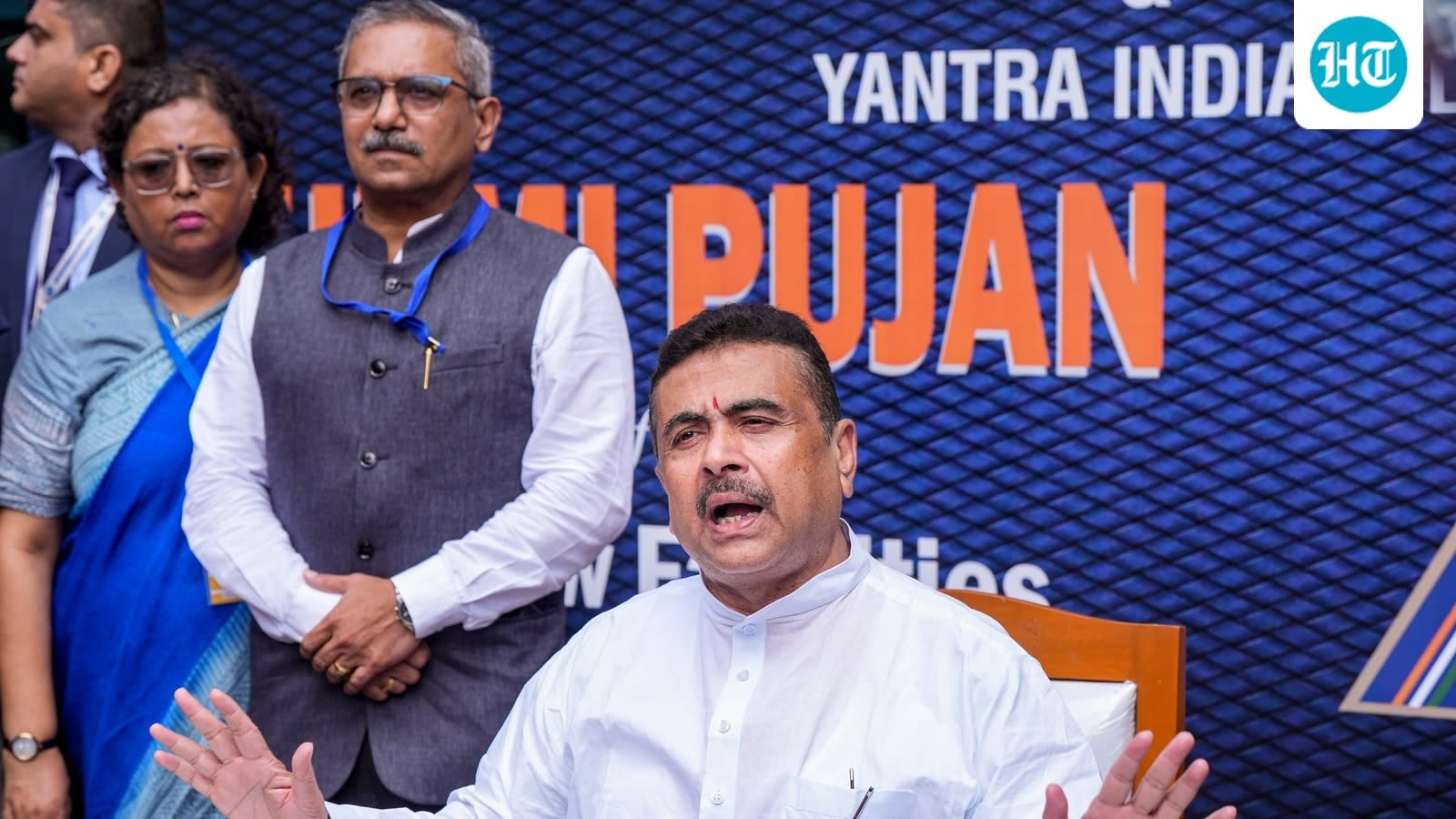
West Bengal leader Suvendu Adhikari announced that 23,000 citizenship certificates have been issued under the CAA. He assured that the remaining applications will be processed expeditiously to support Hindu refugees and the Matua community.
Progress in CAA Implementation in West Bengal
Recent statements regarding the Citizenship (Amendment) Act (CAA) in West Bengal highlight a significant acceleration in the processing of citizenship applications. Suvendu Adhikari has confirmed that 23,000 certificates have already been distributed to eligible refugees. This development marks a tangible step in the government's commitment to providing legal status to individuals who have long resided in the state without formal recognition.
Addressing the Pending Backlog
With a total of 2.30 lakh applications currently under review, the administrative challenge is substantial. Adhikari’s timeline, which aims to dispose of all pending applications within the next six months, suggests a robust effort to streamline the bureaucratic hurdles that have previously delayed the implementation of the Act. By setting a clear deadline, the administration is attempting to provide transparency to applicants who have been waiting for years for official status.
The Significance for the Matua Community
A focal point of this initiative is the Matua community, along with other Hindu refugees who form a critical demographic in the region. These groups have historically faced uncertainty regarding their citizenship status, and the issuance of these certificates is intended to provide them with the security and rights afforded to Indian citizens. Adhikari’s direct reassurance to these communities underscores the political and social importance of resolving these long-standing residency issues.
Operational Efficiency at Nabanna
Addressing the press at the state secretariat, 'Nabanna,' Adhikari emphasized that the hearings are being conducted with a focus on speed and accuracy. The shift toward an expedited process reflects a strategic push to clear the administrative bottleneck that has characterized the post-2019 implementation phase of the CAA. This operational shift is vital to maintaining public trust and ensuring that the legal framework functions as intended for the targeted minority groups.
Broader Implications and Future Outlook
The implementation of the CAA is a complex process involving the verification of refugees from six specific communities. As the state moves toward finalizing the current batch of applications, the success of this phase will likely set a precedent for similar exercises across other states. The ability to complete these hearings within the stated six-month window will be a key indicator of the government's capacity to manage large-scale administrative tasks related to citizenship and migration policies.
Conclusion
In summary, the ongoing hearings represent a pivotal moment for thousands of families in West Bengal. By prioritizing the processing of citizenship certificates, the administration is working to address the needs of long-term refugees while fulfilling its mandate under the Citizenship (Amendment) Act. The coming months will be critical in determining the efficacy of these measures and the impact they have on the social fabric of the state.
Verification Required?