West Bengal election is not legally valid: Former CEC S.Y. Quraishi
Source Entity
India Latest News: Top National Headlines Today & Breaking News | The Hindu
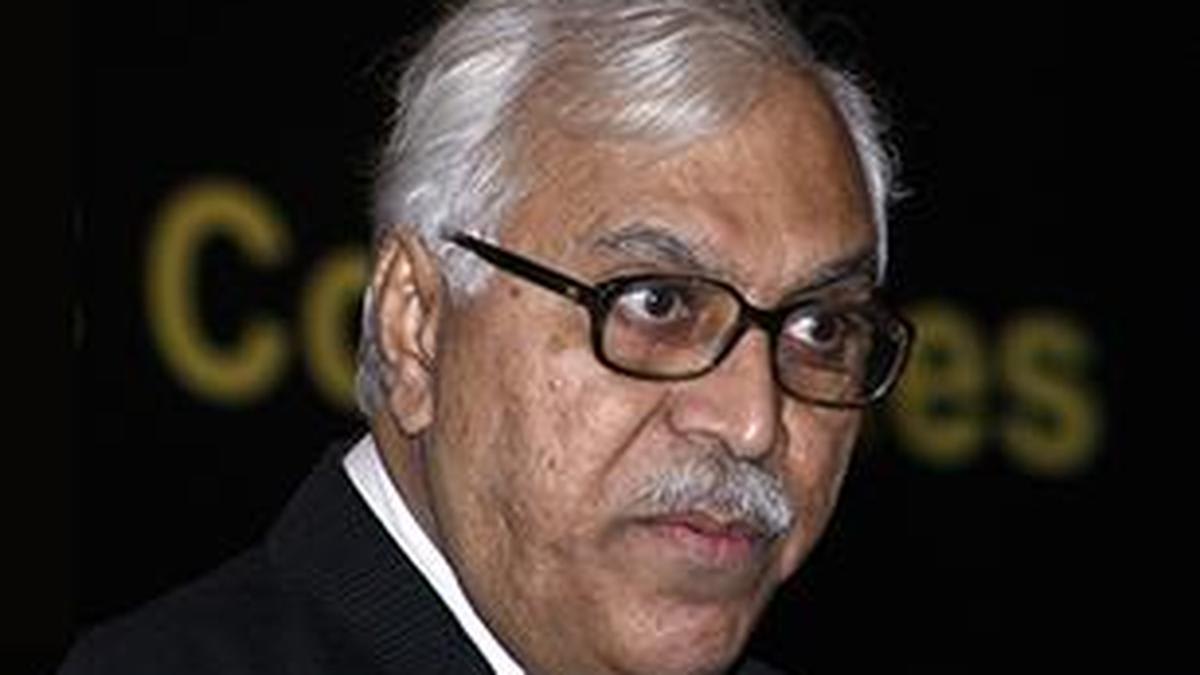
Former Chief Election Commissioner S.Y. Quraishi has questioned the legal validity of the West Bengal elections. He has urged the Supreme Court to review allegations of voter disenfranchisement and procedural irregularities.
The Constitutional Integrity of the Election Commission
The recent assertions made by former Chief Election Commissioner S.Y. Quraishi regarding the legal validity of the West Bengal elections have ignited a significant debate concerning the procedural integrity of the Election Commission of India (ECI). At the heart of the discourse is the fundamental principle of collective decision-making within the commission, which Quraishi argues must be predicated on a majority consensus among its members. When this internal mechanism is perceived to be compromised or bypassed, it undermines the institutional trust required for a healthy democratic process.
Allegations of Procedural Irregularities
Quraishi’s primary contention centers on the potential disenfranchisement of specific demographics, particularly the reported removal of Muslim voters in certain constituencies. By highlighting these concerns, he suggests that the electoral roll management—a core responsibility of the ECI—may have been subject to external influence or internal negligence. The call for re-polls in specific areas of suspicion underscores a demand for accountability that transcends mere administrative oversight, suggesting a need for a rigorous judicial audit of the electoral process.
The Role of the Supreme Court
With the matter now formally before the Supreme Court of India, the judiciary is tasked with navigating the delicate balance between upholding electoral results and ensuring constitutional compliance. Quraishi’s appeal to the Supreme Court serves as an acknowledgment that when administrative bodies face allegations of bias or procedural failure, the judiciary remains the final arbiter of democratic legitimacy. The Court's upcoming decision could set a significant precedent for how future election disputes are handled and how the ECI’s internal decision-making processes are scrutinized.
Institutional Trust and Voter Confidence
Beyond the legal technicalities, the narrative highlights a growing friction between the current government’s administration and critics who feel their democratic participation was stifled. While the administration points to its sustained tenure as evidence of public satisfaction, the persistent questioning of the election's validity suggests a deeper dissatisfaction among segments of the electorate. This tension is indicative of a broader challenge in modern governance: maintaining public faith in the impartiality of independent institutions like the ECI.
Broader Implications for Indian Democracy
The implications of this discourse extend far beyond the borders of West Bengal. If the integrity of the ECI is perceived as wavering, it threatens the foundational premise of universal adult suffrage. The requirement for a majority-based decision-making process is designed specifically to prevent unilateral actions that could skew electoral outcomes. Moving forward, the focus must shift toward strengthening the autonomy of the ECI, ensuring that its internal deliberations are transparent, and that allegations of voter suppression are addressed with the urgency they deserve to protect the sanctity of the ballot box.
Verification Required?