"Don't Think We Should Encourage Large Families": Congress MP On Vijay Government's Move
Source Entity
NDTV News Search Records Found 1000
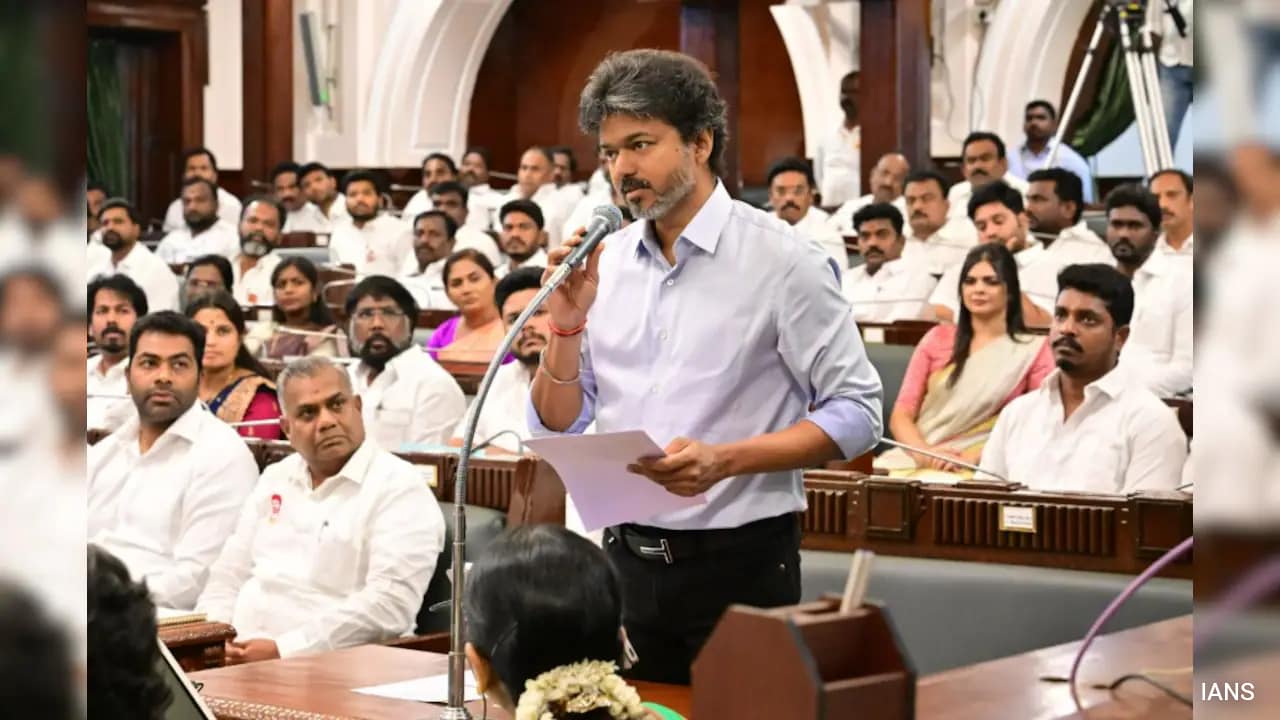
The Tamil Nadu government has extended maternity leave to 365 days for female employees following the birth of their third child. This policy shift has sparked debate, with some political figures questioning the wisdom of state-sponsored incentives that may encourage larger families.
Policy Shift in Tamil Nadu: Extending Maternity Benefits
The Tamil Nadu government has officially implemented a significant expansion of its maternity leave policy, granting state government female employees 365 days of leave following the birth of their third child. This policy adjustment marks a notable departure from standard labor regulations and signals a localized effort to support working mothers in the public sector. By providing a full year of leave, the administration aims to facilitate long-term parental care and address the logistical challenges faced by families with multiple children.
The Intersection of Public Policy and Demographics
While the government frames this move as an enhancement of employee welfare, the decision has drawn scrutiny from political leaders, including Congress MP remarks suggesting a reluctance to incentivize larger families. This tension highlights a classic dilemma in public policy: balancing the immediate needs of civil servants against broader demographic goals. Historically, government policies regarding family size have often aimed to stabilize population growth, making this specific benefit an outlier that invites public discourse on state-sponsored family planning incentives.
Labor Rights and Workplace Support
Extending maternity leave to one year for the third child is a substantial commitment to labor welfare. In the context of India's evolving workplace standards, this move positions Tamil Nadu as a unique case study in state-level labor benefits. By ensuring that women do not have to choose between their career trajectory in public service and the care of a third child, the government is attempting to reduce the attrition rates of experienced female professionals who might otherwise struggle to balance domestic responsibilities.
Political and Social Implications
Critics of the policy argue that public funds should not be utilized in ways that could be perceived as encouraging large families, especially in an era where sustainable development and population control are often prioritized. The opposition from figures like the Congress MP underscores a growing ideological divide regarding the state’s role in influencing family size through employment benefits. This debate is likely to intensify as other states monitor the long-term fiscal and social impact of Tamil Nadu's decision.
Future Trends and Conclusion
Looking forward, the success of this policy will likely be measured by its impact on government employee retention and the subsequent public reaction to its demographic effects. If other states follow suit, it could signal a shift toward more generous, child-centric labor laws, yet it remains subject to the prevailing political consensus on family planning. Ultimately, the Tamil Nadu government’s decision reflects a complex balancing act between supporting individual workers and managing the societal implications of population-related incentives.
Verification Required?