Vijay govt revokes order barring students from Left, CJP protests in Tamil Nadu
Source Entity
AADRITA HALDER
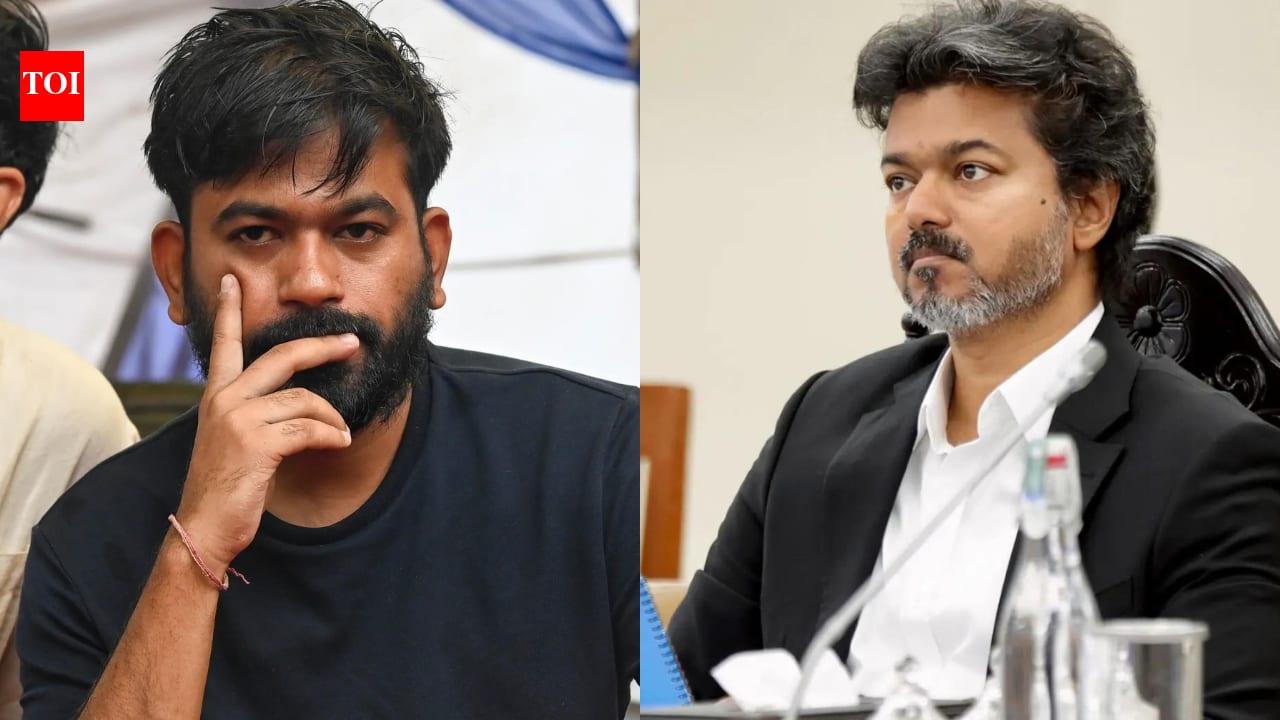
The Tamil Nadu government has rescinded a controversial circular that sought to restrict students from participating in protests organized by Left-wing groups and the Cockroach Janta Party. The withdrawal follows widespread criticism and is being hailed by student organizations as a significant victory for democratic expression on campuses.
The Rescission of Campus Protest Restrictions in Tamil Nadu
A Swift Reversal of Policy
The government led by Chief Minister S. Joseph Vijay has officially withdrawn a contentious circular issued by the Directorate of Collegiate Education (DCE). The original directive, which had instructed college principals to actively prevent students from engaging in protests organized by Leftist groups and the Tamil Nadu Cockroach Janta Party (CJP), triggered an immediate and intense public backlash. By rolling back this order, the administration has effectively signaled an end to a policy that many critics viewed as an encroachment on the fundamental rights of the student body.
The Mechanics of the Original Order
The initial circular, disseminated on a Saturday, had set a stringent tone for academic institutions. It mandated that college principals coordinate with the school and higher education departments, as well as local police and district administrative bodies, to create an integrated apparatus designed to block student participation in political demonstrations. The order further demanded that principals report back with immediate details regarding the actions taken to suppress such activities, effectively turning educational leadership into an arm of administrative surveillance.
The Role of Student Advocacy
The Students’ Federation of India (SFI) has been at the forefront of the opposition, framing the government’s decision to withdraw the circular as a foundational victory for student rights. The ability of the student collective to highlight the undemocratic nature of the directive played a crucial role in the government's swift U-turn. By categorizing the order as an attempt to restrict political discourse, student activists successfully shifted the narrative from a mere administrative issue to a broader concern regarding constitutional freedoms.
Broader Implications for Campus Politics
This incident highlights the ongoing tension between administrative control over educational institutions and the historical role of students as participants in political discourse. In many democratic frameworks, universities are considered breeding grounds for political awareness and civic engagement. The attempt to curb student involvement in protests organized by groups like the CJP and various Left-wing parties reflects a broader trend of states attempting to maintain order, often at the expense of student autonomy.
Future Trends and Democratic Discourse
The resolution of this specific controversy serves as a litmus test for the current administration's approach to dissent. By choosing to revoke the order rather than defend it, the Vijay government has demonstrated a level of responsiveness to public pressure. Moving forward, the relationship between the Tamil Nadu government and student bodies will likely remain a focal point of local politics, as both parties navigate the fine line between maintaining campus decorum and protecting the right to protest.
Conclusion
In summary, the withdrawal of the DCE circular represents a significant moment for academic freedom in Tamil Nadu. While the government initially sought to implement a restrictive framework to limit the influence of specific political groups on campus, the subsequent outcry forced a reevaluation of this strategy. The event underscores the enduring power of student advocacy in checking administrative overreach and preserving the democratic spirit within educational institutions.
Multiple Citing Sources