Fishermen to stay off fishing for three days; condemn arrest of nine fishers by Sri Lankan Navy
Source Entity
India Latest News: Top National Headlines Today & Breaking News | The Hindu
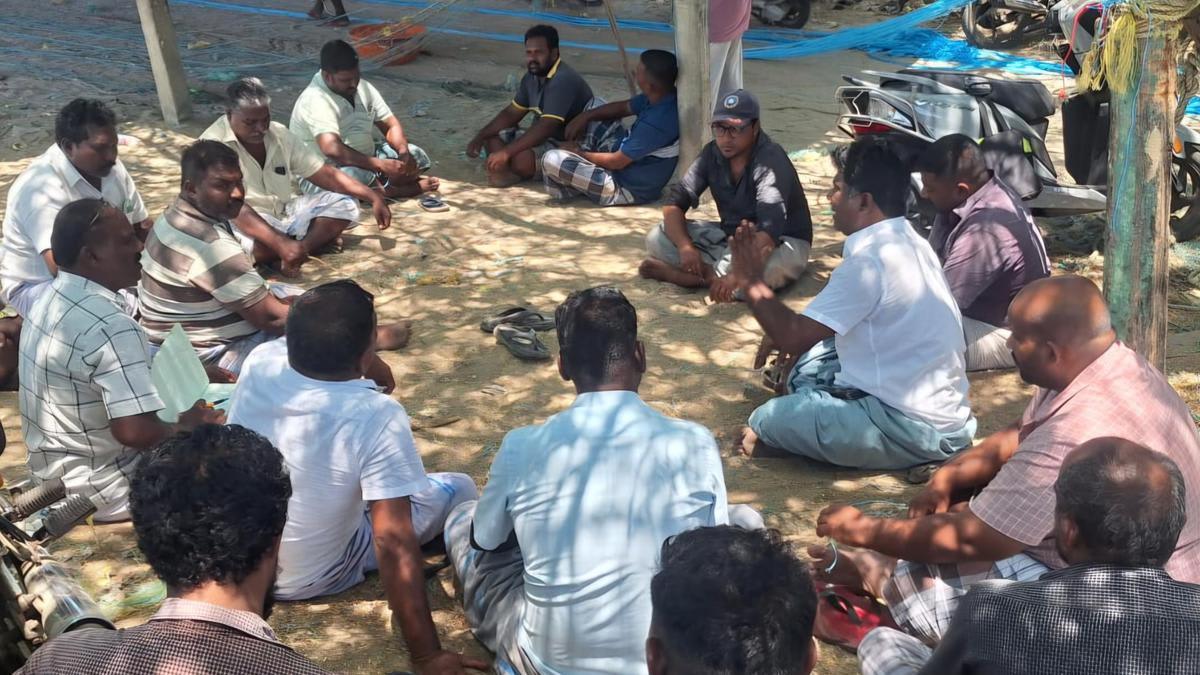
Tamil Nadu fishermen have launched a three-day strike to protest the recent arrest of nine colleagues by the Sri Lankan Navy for alleged poaching. The community is demanding urgent intervention from both the state and central governments to find a permanent solution to these recurring maritime disputes.
Tensions Escalate in the Palk Strait: Fishermen Announce Strike
The arrest of nine Indian fishermen by the Sri Lankan Navy on the night of July 22 has triggered a significant backlash within the coastal communities of Tamil Nadu. Accused by Sri Lankan authorities of poaching within their territorial waters, these fishermen now find themselves at the center of a long-standing geopolitical struggle. In response, local fishermen associations have formally announced a three-day work boycott, halting all fishing activities from Friday through Sunday.
The Impact of Maritime Border Disputes
This incident is not an isolated event but rather a symptom of the deeply complex and unresolved issues surrounding the International Maritime Boundary Line (IMBL). For decades, the Palk Strait—a narrow strip of water separating India and Sri Lanka—has served as a flashpoint for conflict. The overlapping claims and the reliance of local livelihoods on these contested waters mean that fishermen often inadvertently cross the border, leading to frequent arrests, boat seizures, and diplomatic friction between New Delhi and Colombo.
Demands for Governmental Intervention
During a resolution meeting held on July 23, representatives from the fishermen’s associations made it clear that local protests are intended to force a higher-level diplomatic response. Fishermen leader Jesu Raja emphasized that the boycott is a strategic move to capture the attention of both the Tamil Nadu state government and the Union government in New Delhi. The primary demand is for the central government to move beyond reactive measures and negotiate a permanent, sustainable solution to the poaching allegations that plague the region.
Political Implications and Leadership
This protest also highlights the evolving political landscape in Tamil Nadu. The mention of Tamilaga Vettri Kazhagam (TVK) leader and Chief Minister C. Joseph Vijay suggests that the plight of fishermen remains a potent political issue that can influence state-level governance. As the community looks to these new political figures for advocacy, the pressure on the state to act as a bridge to the Union government becomes increasingly critical.
Looking Toward a Future Resolution
For the fishermen, the next three days of silence on the seas represent a desperate plea for security. Without a clear framework for cross-border cooperation or a modernized agreement on fishing rights, it is likely that these cyclical arrests will continue to disrupt the regional economy. The future of this industry depends on whether the Union government can effectively mediate with Sri Lankan authorities to establish a framework that respects the sovereignty of both nations while protecting the livelihoods of those who have historically relied on these waters for survival.
Verification Required?