Tamil Nadu Panchayat Chief Attacked With Brick Over Drinking Water Supply. He Dies
Source Entity
NDTV News Search Records Found 1000
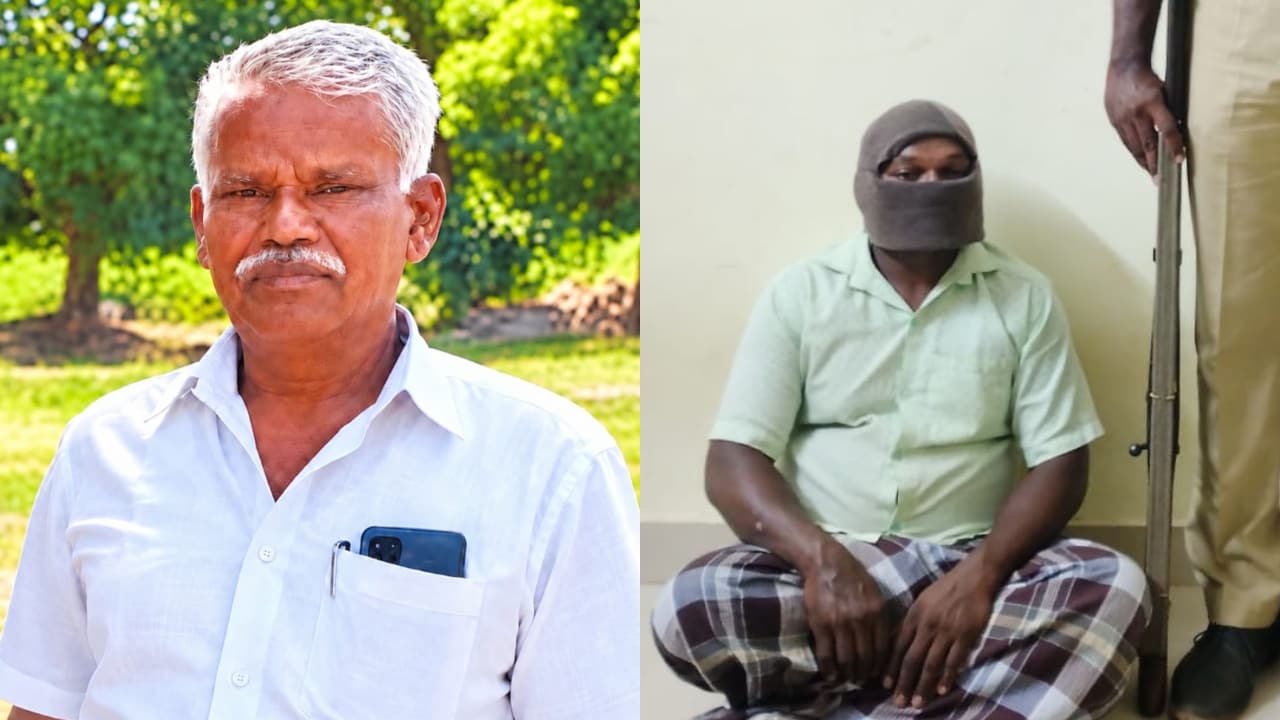
A Tamil Nadu Panchayat Chief has died after being attacked with a brick during a dispute over local drinking water supply. The suspect, Essaki Pandiyan, has been taken into police custody following the incident.
Tragedy in Tamil Nadu: Local Governance and Resource Tensions
A tragic incident has unfolded in Tamil Nadu, where a local Panchayat Chief has succumbed to injuries sustained during a violent altercation. The fatal attack, involving the use of a brick as a weapon, reportedly stemmed from a heated dispute regarding the management and distribution of local drinking water supplies. This event underscores the intense pressure and often volatile nature of grassroots administration in rural India, where public officials are frequently on the front lines of resource management.
The Incident and Immediate Aftermath
According to the reports, the altercation escalated rapidly, leading to the severe assault on the Panchayat Chief. The swift response from local law enforcement led to the identification and arrest of the primary suspect, Essaki Pandiyan. While the legal process is now underway, the incident highlights the precarious security environment for local elected representatives who are tasked with the difficult job of managing scarce public resources in rural communities.
The Complexity of Resource Disputes
Drinking water remains a critical and highly sensitive issue in many parts of rural Tamil Nadu. When supplies are scarce, local panchayats often become the focus of intense community frustration. The role of a Panchayat Chief involves balancing competing demands from various residents, a task that can invite personal hostility when perceptions of inequity or favoritism arise. This specific incident serves as a grim reminder of how infrastructure challenges can manifest as physical violence against those in positions of authority.
Broader Implications for Grassroots Democracy
This tragedy raises significant concerns regarding the safety and protection of local government officials. As the primary point of contact between the government and the rural citizenry, Panchayat leaders are essential to the functioning of democratic processes at the village level. When these individuals are targeted with violence, it can create a chilling effect on local governance, potentially discouraging qualified individuals from seeking public office and hindering the effective delivery of essential services.
Historical Context and Future Trends
Historically, resource-based violence in rural India has often been linked to systemic gaps in infrastructure and the failure of administrative mechanisms to address grievances transparently. As climate patterns shift and water scarcity becomes a more pressing global and local concern, the burden on local officials is likely to increase. Moving forward, authorities may need to implement more robust conflict resolution frameworks and security protocols to protect local leaders from such escalations, ensuring that the critical work of rural development is not undermined by communal tensions.
Conclusion
The death of the Panchayat Chief is a profound loss for the community and a stark illustration of the dangers inherent in local administration. While the arrest of the accused, Essaki Pandiyan, provides a sense of legal accountability, the underlying issues regarding water management and the protection of grassroots leaders remain. Addressing these challenges will require a comprehensive approach that combines improved infrastructure investment with effective mediation strategies to prevent future tragedies.
Verification Required?