Tata Nexon, Curvv, Harrier, Safari and more get discounts of up to ₹95,000 in July 2026
Source Entity
Latest News: Today's Latest News Headlines from India & World | Hindustan Times | Hindustan Times
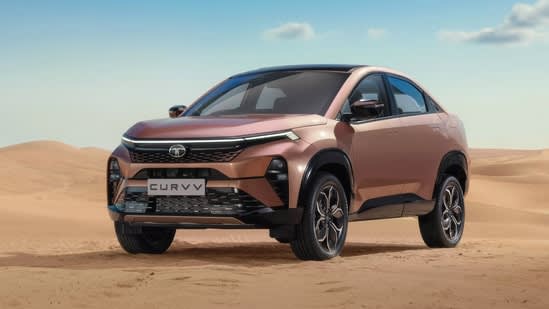
Tata Motors has announced discounts of up to ₹95,000 for July 2026 across its ICE and EV portfolios, including the Nexon, Curvv, and Safari. The offers feature a combination of cash discounts, exchange bonuses, and scrappage benefits to attract buyers.
Analysis of Tata Motors' Strategic Discounting Campaign for July 2026
Tata Motors, a dominant force in the Indian automotive sector, has unveiled a comprehensive series of discounts for July 2026, targeting a wide array of its vehicle lineup. These incentives, which reach as high as ₹95,000, are designed to stimulate demand across both internal combustion engine (ICE) and electric vehicle (EV) segments. By offering these reductions on popular models like the Nexon, Curvv, Harrier, and Safari, Tata Motors is likely aiming to maintain its market dominance in the highly competitive SUV and compact sedan categories during a critical sales window.
Detailed Breakdown of Model-Specific Incentives
When analyzing the specific offers, the strategy appears segmented to target different buyer personas. The Tata Tigor, a sub-compact sedan, is being offered with a cash discount of ₹15,000, an exchange bonus of ₹10,000, and a ₹15,000 scrappage bonus, totaling ₹45,000 in benefits. The Tata Nexon, one of the brand's most successful compact SUVs, features a cash discount of ₹10,000, an exchange bonus of ₹15,000, and a ₹20,000 scrappage benefit, with total benefits reaching ₹55,000. Furthermore, the Tata Curvv is positioned with a competitive ₹30,000 cash discount and a ₹20,000 exchange bonus, highlighting a push to accelerate the adoption of this specific model in the market.
The Role of Scrappage Incentives and Sustainability
A critical component of these offers is the "scrappage bonus," which is prominently featured for the Tigor and Nexon. This aligns with broader national initiatives in India to phase out old, polluting vehicles to improve air quality and road safety. By incentivizing the scrapping of old cars with financial bonuses, Tata Motors not only supports environmental goals but also lowers the financial barrier for consumers to upgrade to newer, safer, and more efficient vehicles. This strategy effectively transforms a regulatory push into a consumer value proposition.
Market Positioning and Competitive Landscape
The inclusion of high-end models like the Harrier and Safari in the discount bracket suggests a tactical move to capture and retain the premium SUV market. In the Indian landscape, where competition from manufacturers like Mahindra and Hyundai is fierce, periodic price corrections and bonuses are essential tools for inventory management. These discounts are likely timed to clear existing stock or counter the launch of competing models, ensuring that Tata's product portfolio remains attractive to value-conscious Indian buyers who prioritize both brand prestige and cost-effectiveness.
Synergy Between ICE and EV Portfolios
The announcement specifically mentions that these discounts span across both the internal combustion engine and electric vehicle portfolios. This is a significant strategic indicator that Tata Motors is maintaining a balanced approach—not abandoning its traditional engine lineup while aggressively pursuing electrification. By providing balanced incentives across both platforms, the company ensures a smooth transition for customers who may be hesitant to go fully electric but are looking for the modern features and safety standards offered by the current Tata fleet.
Future Trends and Financial Accessibility
Looking ahead, such aggressive discounting patterns suggest that the Indian automotive market will remain highly price-sensitive through 2026. The introduction of accessible financing, such as the mentioned EMI starting at ₹9,700 per month for the Nexon, indicates a shift toward making ownership more affordable for the middle-class demographic. We can predict a trend where manufacturers will increasingly bundle financial products with vehicle discounts to drive volume growth in a saturated market.
Conclusion
In summary, Tata Motors' July 2026 discount campaign is a multi-faceted strategy combining direct price cuts, trade-in incentives, and environmental bonuses. By targeting a broad spectrum of vehicles from the entry-level Tigor to the premium Safari, the company is effectively managing its market share and supporting national sustainability goals. This holistic approach ensures that Tata remains a formidable player in the evolving and volatile Indian automotive ecosystem.
Verification Required?