Ground water levels fall in 18 districts; Telangana releases agriculture contingency plan for Vanakalam 2026
Source Entity
India Latest News: Top National Headlines Today & Breaking News | The Hindu
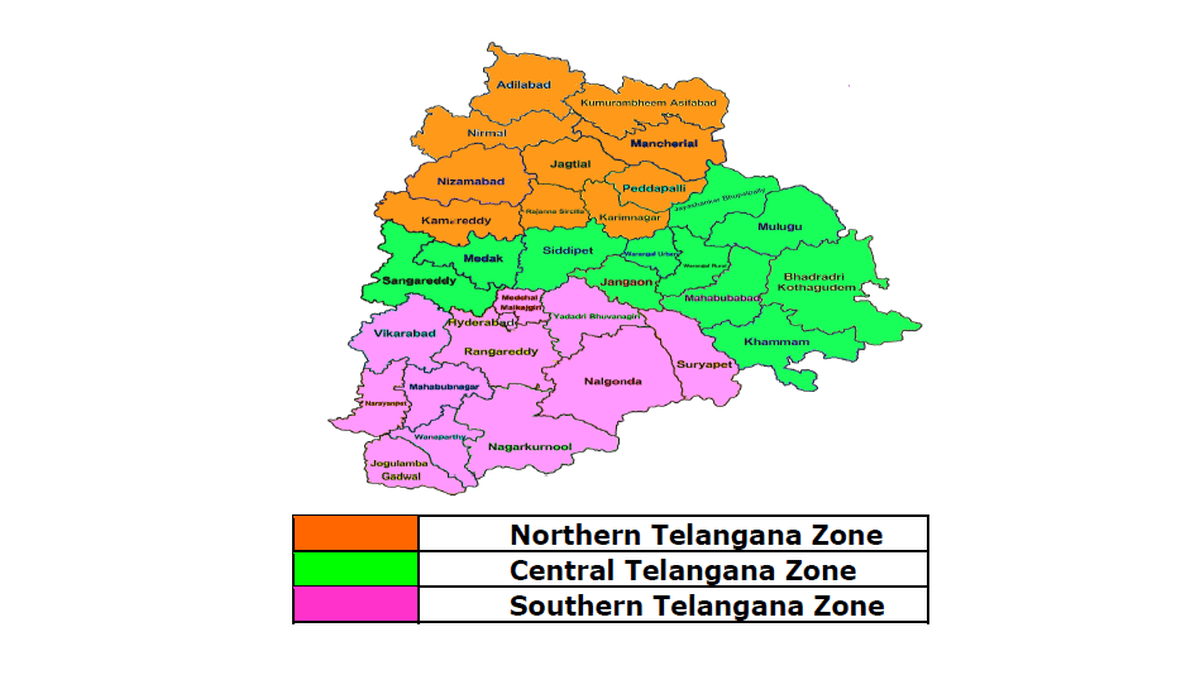
The Telangana government has released an agriculture contingency plan for the Vanakalam 2026 season following a significant drop in groundwater levels across 18 districts and reservoirs reaching their Minimum Draw Down Levels (MDDL).
Addressing the Water Crisis: Telangana's Strategic Response for Vanakalam 2026
Telangana is currently facing a critical hydrological challenge as the state prepares for the Vanakalam 2026 agricultural season. The government has officially released an agriculture contingency plan to mitigate the risks associated with falling groundwater levels across 18 districts and the alarming depletion of surface water resources. This proactive measure comes at a time when the state's irrigation infrastructure is under severe strain, signaling a potential crisis for the farming community if immediate interventions are not implemented.
The Criticality of Minimum Draw Down Levels (MDDL)
A primary concern highlighted in the reports is that the majority of major, medium, and minor irrigation reservoirs have reached or are dangerously close to their Minimum Draw Down Level (MDDL). In hydraulic engineering, the MDDL represents the threshold below which water cannot be efficiently released through gravity or standard outlets. When reservoirs hit this point, the ability to provide consistent irrigation to the surrounding farmlands is severely compromised. This creates a precarious situation for farmers who rely on these reservoirs to supplement rainfall, effectively cutting off a vital lifeline for crop survival during dry spells.
Groundwater Depletion and Regional Vulnerability
The fact that 18 districts are reporting a decline in groundwater levels indicates a systemic failure in aquifer recharge, likely exacerbated by erratic rainfall patterns and over-extraction for intensive agriculture. Groundwater serves as the secondary defense for farmers when surface reservoirs fail; however, with both sources depleted, the agricultural sector faces a double-edged sword. The widespread nature of this decline across nearly a third of the state's districts suggests that the water stress is not localized but is a broader regional trend that requires an integrated water management approach.
Analyzing the Agriculture Contingency Plan
The release of a contingency plan for Vanakalam 2026 is a strategic attempt to prevent total crop failure and financial ruin for the peasantry. Typically, such plans involve advising farmers to shift from water-intensive crops (such as paddy) to short-duration, drought-resistant varieties or pulses and oilseeds that require less irrigation. By diversifying crop patterns, the government aims to optimize the remaining water resources and ensure that food security is maintained despite the scarcity. This shift is essential to prevent the cycle of farmer debt that often follows a failed harvest in semi-arid regions.
Broader Socio-Economic Implications
The implications of this water scarcity extend beyond the fields. A failure in the Vanakalam season could lead to increased market prices for essential commodities, fueling inflation within the state. Furthermore, the reliance on contingency plans highlights the ongoing struggle between agricultural demands and environmental limits. For Telangana, a state that has invested heavily in irrigation projects, the current crisis underscores the need for a transition toward more sustainable practices, such as micro-irrigation (drip and sprinkler systems) and enhanced rainwater harvesting to replenish depleted aquifers.
Conclusion and Future Outlook
In summary, the current situation in Telangana is a stark reminder of the vulnerability of rain-fed and reservoir-dependent agriculture in the face of fluctuating climatic conditions. While the contingency plan provides a necessary short-term safety net for the Vanakalam 2026 season, the recurring nature of groundwater depletion suggests a need for long-term structural reforms. Future stability will depend on the state's ability to balance irrigation needs with ecological conservation, ensuring that reservoirs are managed more sustainably and that groundwater is treated as a finite resource rather than an infinite reserve.
Verification Required?