Tesla Cybercab is barely real and it’s already under investigation
Source Entity
Andrew J. Hawkins
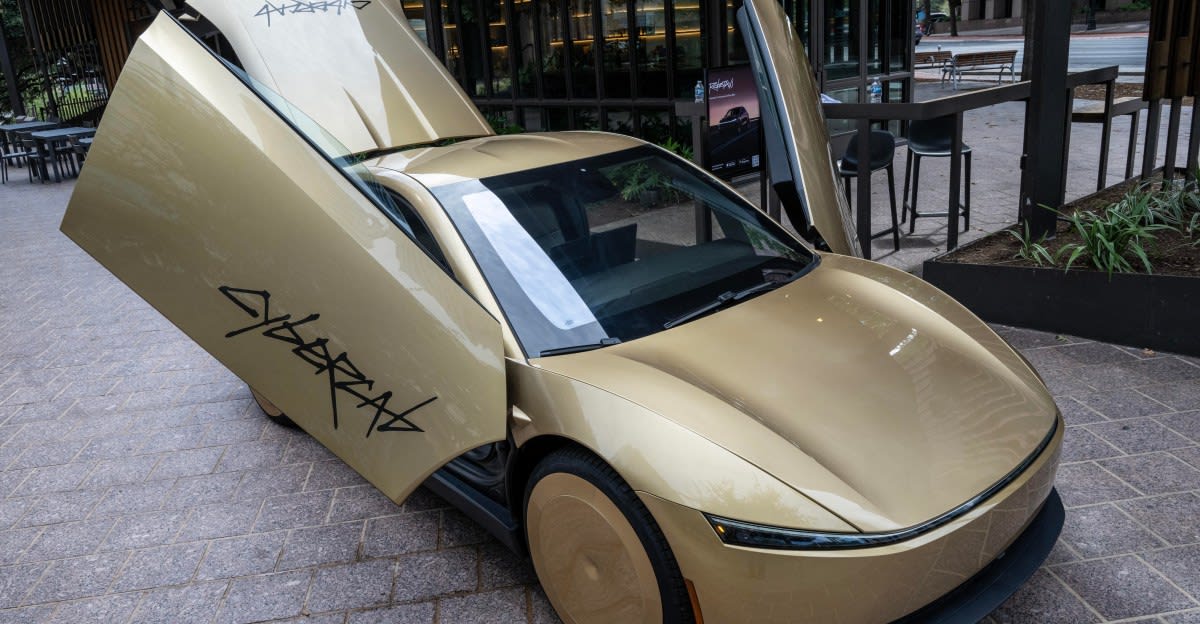
Tesla is preparing to launch its autonomous Cybercab in Austin, featuring a design with no steering wheel or pedals. The company is exploring a fleet-based business model, signaling a shift toward mass-market autonomous transport.
The Dawn of the Cybercab Era
Tesla’s highly anticipated pivot toward a fully autonomous future has reached a critical juncture with the upcoming launch of the Cybercab in Austin, Texas. Designed as a sleek, gold-hued two-seater, the vehicle represents a radical departure from traditional automotive engineering. By eliminating the steering wheel and pedals, Tesla is betting heavily on its proprietary AI and camera-based navigation systems to replace human control entirely. This launch is not merely a product reveal; it is the culmination of nearly two years of speculation following the vehicle's initial design debut.
A Shift in Strategic Scope
The ambition behind the Cybercab is profound, moving beyond the concept of a singular, consumer-owned vehicle toward a scalable, fleet-based infrastructure. Recent disclosures on Tesla’s website, which include an interest form for third-party fleet operators, suggest a strategic evolution. While early Tesla visions focused on individual owners adding their cars to a robotaxi network, the company is now explicitly inviting businesses to purchase and operate Cybercab fleets. This suggests that Tesla intends to move faster than a direct-to-consumer model would allow, leveraging external capital and infrastructure to achieve rapid scale.
The Austin Deployment
Austin, Texas, serves as the primary stage for this transformation. With Tesla staging dozens of vehicles across the city and reports of hundreds of autonomous vehicles registered in the state, the company is signaling its readiness for real-world integration. This deployment follows a highly orchestrated marketing campaign, including appearances in high-traffic locations like New York City’s Times Square. The "storm of Cybercabs" alluded to by CEO Elon Musk indicates that the company is aiming for a high-visibility, high-impact entry into the market, transforming the concept of ride-sharing into an automated, driverless utility.
Technological Foundations
At the heart of the Cybercab is Tesla’s commitment to vision-based AI. By eschewing lidar and other traditional autonomous sensors in favor of a camera-centric approach, Tesla is attempting to prove that its software stack—led by experts like Ashok Elluswamy—is sufficient for safe, reliable, driverless operation. The removal of manual controls is a bold statement of confidence in this technology. If successful, this architecture could drastically reduce production costs, making the Cybercab a more viable alternative to conventional public or private transit.
Broader Implications and Future Trends
This "fork in the road" moment for Tesla signifies a transition from a hardware-focused automaker to an AI-driven transportation services company. The ripple effects of this shift will likely challenge existing ride-sharing giants and prompt regulators to grapple with the legalities of steering-wheel-free vehicles. As Tesla moves to integrate these vehicles into the public consciousness, the success of the Austin launch will serve as a bellwether for the future of urban mobility, potentially setting the standard for how cities interact with autonomous, fleet-based transportation networks in the coming decade.
Multiple Citing Sources