US military disabled ad tracking on troops’ devices following reports of targeted attacks
Source Entity
Zack Whittaker
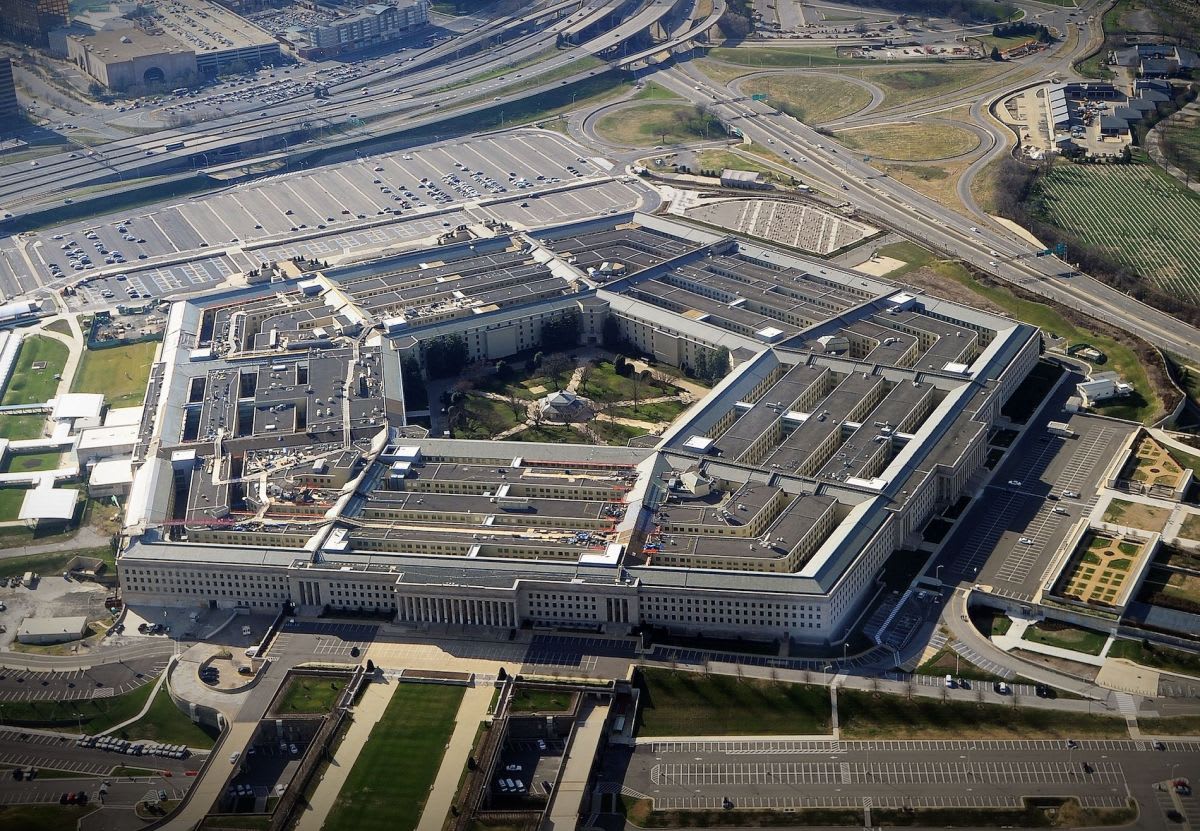
The U.S. Department of Defense has disabled advertising tracking on all government-issued devices to prevent foreign adversaries from using commercial location data to target troops. This move follows sustained pressure from Senator Ron Wyden regarding the national security risks posed by data brokers.
Protecting Personnel in the Digital Age
The U.S. Department of Defense has taken a decisive step in cybersecurity by disabling advertising tracking on all government-issued mobile devices and computers. This initiative, confirmed through correspondence with Senator Ron Wyden, encompasses the Army, Air Force, Navy, Marine Corps, and the Special Operations Command. By eliminating advertising identifiers, the military is effectively closing a significant vulnerability that previously allowed third-party data brokers to collect and sell precise location information of service members.
The Threat of Commercial Location Data
The impetus for this policy shift stems from alarming reports that commercially available location data—often harvested from everyday apps—had been utilized by foreign adversaries to track and potentially target American forces stationed in the Middle East. In the modern era, the line between private digital behavior and national security has blurred; "ad-tech" ecosystems generate granular location logs that, when aggregated, can reveal the movements of high-value military assets or personnel, turning standard consumer devices into potential intelligence-gathering tools for hostile actors.
A Multi-Branch Implementation
According to the documentation provided to Senator Wyden, the rollout of these protections was systematic and widespread. The Air Force reported disabling advertising identifiers on its computers and phones two months ago, while the U.S. Special Operations Command confirmed similar actions on its Windows-managed devices. Furthermore, the Army noted that mobile advertising IDs had been deactivated earlier this year. These steps reflect a unified effort across the federal military enterprise network to sanitize devices of tracking mechanisms that provide no operational value but pose a severe security risk.
The Role of Congressional Oversight
Senator Ron Wyden, a senior Democrat on the Senate Intelligence Committee, has been the primary architect of this oversight, having pressed the Pentagon for months on the issue of data broker surveillance. This collaboration underscores a growing legislative awareness that the unregulated sale of personal data is no longer just a privacy issue—it is a matter of national defense. The military’s responsiveness to these inquiries highlights a necessary pivot toward "operational security" in an age where every smartphone carries a potential digital footprint.
Broader Implications for National Security
The decision to disable these trackers serves as a critical case study in the risks of the surveillance economy. By removing these identifiers, the Department of Defense is mitigating the risk of "pattern of life" analysis, where adversaries use consistent location data to map out military bases, supply routes, and individual routines. As technology evolves, the military must continue to adapt its hardware configurations to ensure that the tools intended to aid communication do not inadvertently compromise the safety of those on the front lines.
Looking Toward Future Trends
This development is likely only the beginning of a broader trend in government security policy. As the commercial data market remains largely opaque, federal agencies will likely increase their scrutiny of third-party software and hardware telemetry. Future trends suggest a move toward more "hardened" device ecosystems where data collection is strictly limited at the firmware or OS level, ensuring that the digital infrastructure of the U.S. military is shielded from the pervasive commercial tracking that defines the modern internet.