The bar for Tesla earnings is sky-high. Here's why and how options traders can capitalize
Source Entity
US Top News and Analysis
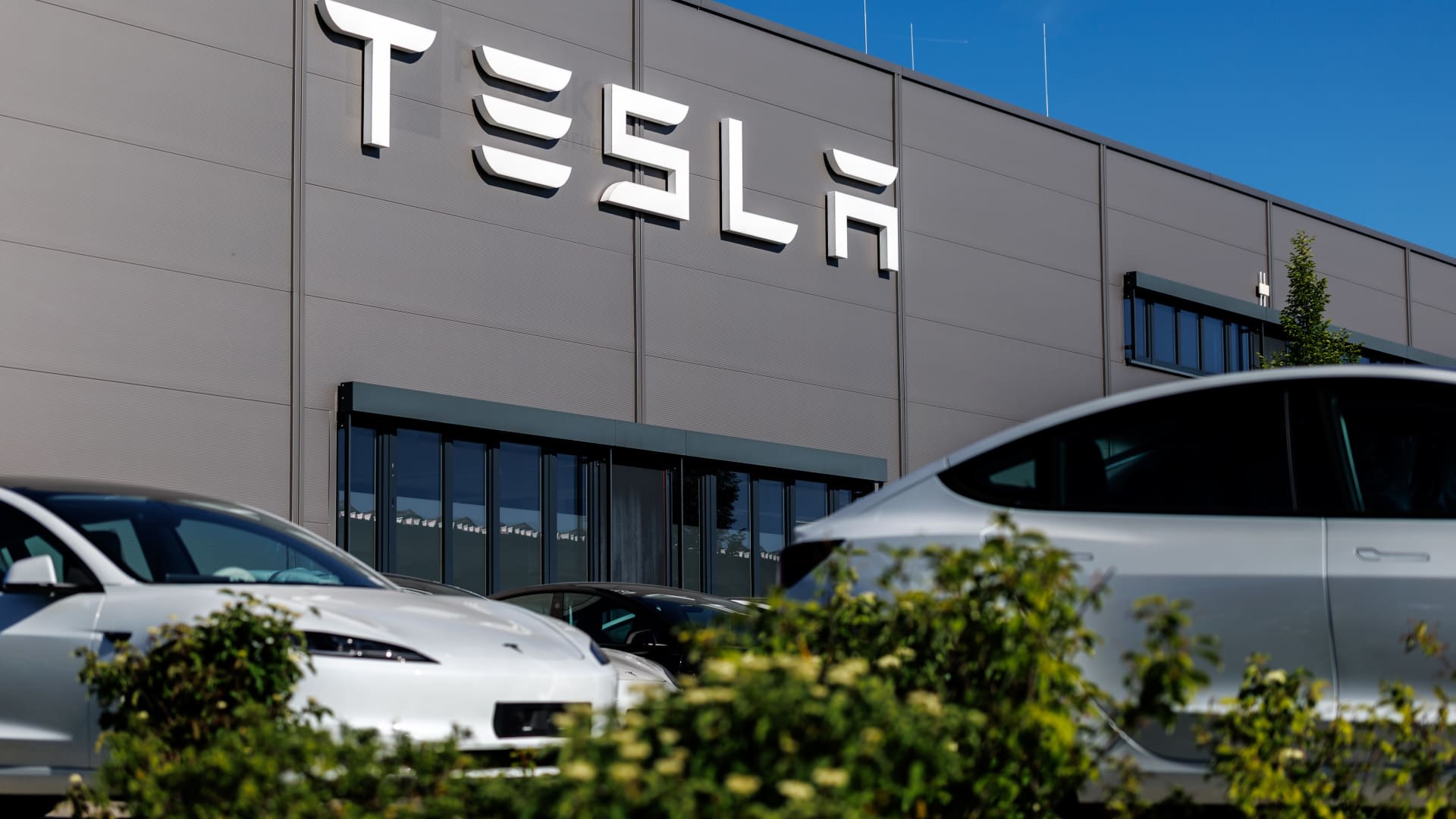
Tesla faces significant market pressure as earnings approach, with investors questioning the company's ability to meet ambitious short-term goals. Despite strong delivery figures, analysts note that high valuations and competitive headwinds have left the stock vulnerable to negative price action.
Tesla's Earnings Paradox: High Expectations and Market Reality
As Tesla (TSLA) approaches its second-quarter earnings report, the company finds itself in a precarious position where even positive news has failed to move the needle in the desired direction. Despite delivering second-quarter sales and delivery figures that surpassed consensus estimates, the stock price retreated rather than rallied. This phenomenon serves as a classic indicator in financial markets that the company's valuation has become uncoupled from immediate performance metrics, with investors pricing in perfection.
The Challenge of Lofty Valuations
Market expectations for Tesla have reached a point where meeting or even slightly exceeding consensus estimates is viewed as the new baseline rather than a cause for celebration. When a company's stock is priced for extreme growth, the margin for error effectively vanishes. Analysts like Michael Khouw have noted that the current backdrop for the EV giant is increasingly challenging, as fundamental headwinds and fierce competitive pressures begin to weigh heavily on the stock's performance.
Investor Sentiment and Strategic Uncertainty
Beyond the raw financial metrics, there is a palpable sense of anxiety among the investor base regarding the company’s operational execution. A recurring theme surfacing ahead of this earnings call is a demand for clarity on the company's internal bottlenecks. Investors are actively questioning why the company is struggling to reach the short-term goals it has set for itself, raising concerns about management's ability to navigate the current macroeconomic environment effectively.
Competitive Pressures and Macro Headwinds
Tesla is not operating in a vacuum; it faces a rapidly evolving automotive landscape. The combination of intense competitive pressure from other EV manufacturers and a complex macro footprint creates a volatile environment. These factors are leading traders and institutional investors to reassess their positions, with many acknowledging that risks are currently skewed to the downside as the market digests the potential for disappointing guidance.
The Role of Options Trading
In light of these uncertainties, options traders are actively seeking ways to capitalize on the expected volatility. The divergence between strong delivery data and the stock's negative price action suggests that the market is bracing for a potential correction. Traders are carefully monitoring the upcoming earnings release to determine if bottom-line results can justify the current valuation or if the stock is destined for further consolidation.
Future Outlook and Conclusion
Ultimately, the upcoming earnings report will serve as a critical litmus test for Tesla’s leadership. If the company cannot address the questions surrounding its operational hurdles and provide a compelling roadmap for future growth, the market may continue to punish the stock for failing to meet its own ambitious targets. Investors should remain cautious, as the disconnect between delivery beats and price performance signals a shift in sentiment that cannot be easily ignored.
Multiple Citing Sources