Tesla says it will start selling Cybercabs by end of year
Source Entity
Kirsten Korosec
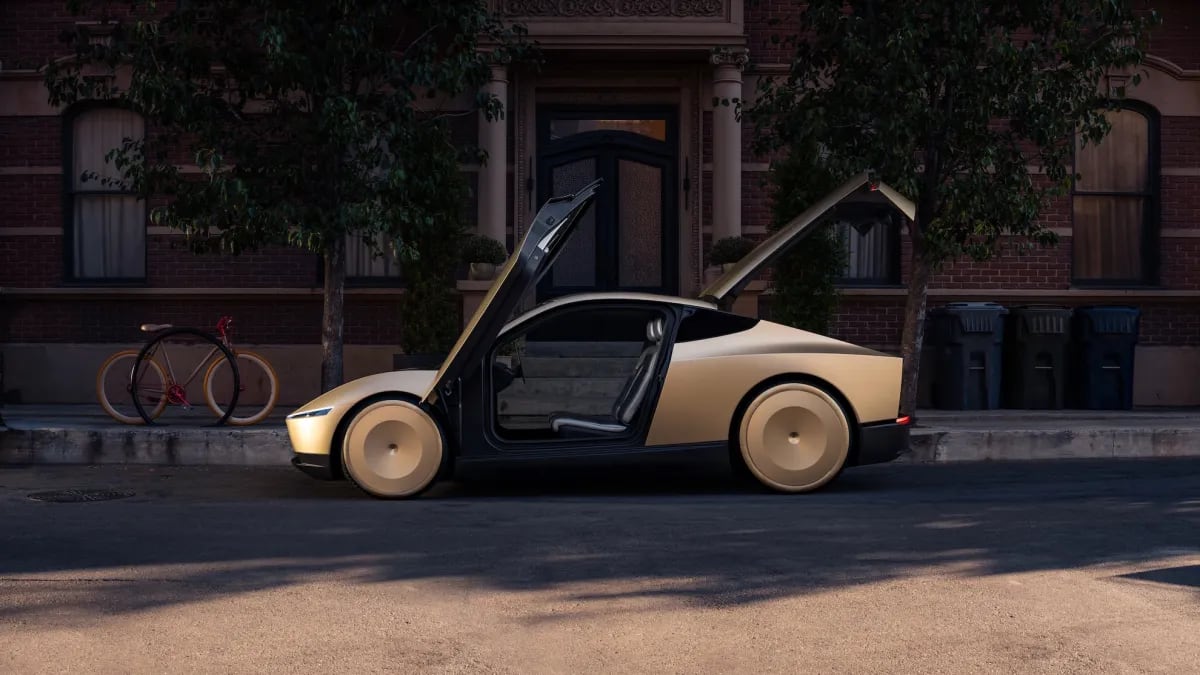
Tesla has set a 2027 deadline for owners to join its robotaxi fleet and announced plans to sell Cybercabs by the end of this year. These moves face significant hurdles, including ongoing federal investigations into safety standards for the steering-wheel-less vehicles.
Tesla's Ambitious Leap into Autonomous Mobility
Tesla has officially transitioned from speculative promises to concrete timelines regarding its long-awaited autonomous vehicle ecosystem. During the company’s third-quarter earnings call, leadership confirmed that Tesla owners will be permitted to add their own vehicles to the company’s robotaxi fleet starting in the second quarter of 2027. This move represents a pivot toward a decentralized ride-hailing model, aiming to transform individual vehicle ownership into a revenue-generating asset.
The Cybercab Strategy and Regulatory Hurdles
Parallel to the integration of existing Tesla vehicles, the company is moving forward with the commercialization of the Cybercab. Vice President of Engineering Lars Moravy stated that Tesla intends to begin selling these gold-hued, two-seater vehicles by the end of this year. However, the path to market is complicated by ongoing federal investigations. Regulators are currently scrutinizing whether the Cybercab—which notably lacks a steering wheel and traditional manual controls—complies with established vehicle safety standards.
Scaling the Robotaxi Vision
Tesla’s strategy involves a phased rollout. Initially, the Cybercabs currently in production are earmarked exclusively for Tesla’s internal robotaxi fleet. By controlling the initial deployment, the company aims to refine its logistics regarding fleet management, vehicle delivery, and the intricacies of autonomous operations. Moravy emphasized that the firm intends to scale these operations gradually as it gains real-world data on how consumers interact with autonomous transportation.
The Role of Software and Autonomous Capability
Central to this strategy is the software development led by Ashok Elluswamy, Tesla’s VP for Autonomous Driving. The ability for a personal Tesla to function as a robotaxi depends entirely on the maturity of its Full Self-Driving (FSD) capabilities. By setting a 2027 deadline for customer fleet integration, Tesla is signaling confidence in the software's progression from a driver-assist feature to a fully unsupervised autonomous system capable of navigating public roads without human intervention.
Future Trends in Transportation
If successful, Tesla’s approach could disrupt the traditional ride-hailing industry by flooding the market with privately owned, automated vehicles. This marks a significant shift in the automotive landscape, moving away from human-driven taxis toward a software-defined mobility model. However, the ultimate success of this endeavor rests on two pillars: the company’s ability to clear federal safety hurdles and its ability to prove that its software can reliably handle complex, unpredictable urban environments at scale.
Conclusion
Tesla is entering a critical phase where theoretical autonomy meets practical implementation. While the 2027 target for third-party fleet integration and the end-of-year sales goal for Cybercabs provide a clear roadmap, the regulatory and technical challenges remain substantial. Investors and consumers alike will be watching closely to see if the company can navigate the intersection of rapid innovation and strict government safety oversight.
Multiple Citing Sources