China is Tesla's cash cow, but for how much longer?
Source Entity
Jonathan M. Gitlin
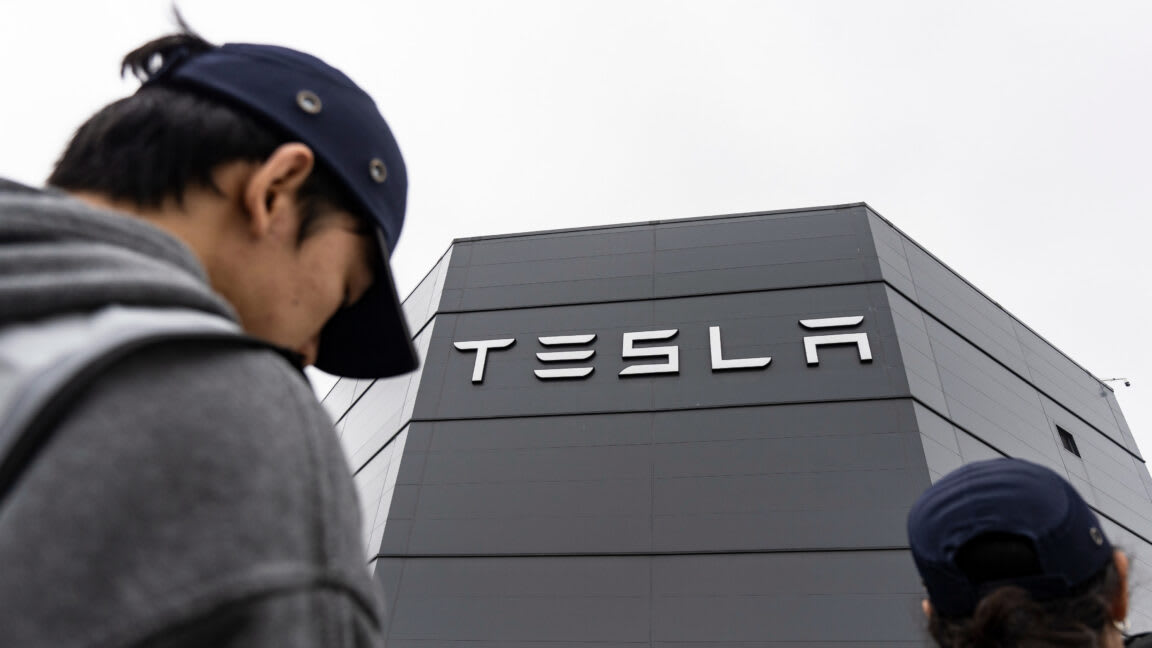
Tesla's Shanghai factory is experiencing record production, yet domestic sales in China are declining. The company is increasingly pivoting its Chinese output toward international markets to leverage lower production costs.
The Tesla Paradox: Shanghai’s Shifting Role
Tesla’s Shanghai Gigafactory has long been the crown jewel of the company’s global production strategy, acting as both a massive manufacturing hub and a critical entry point into the world’s largest electric vehicle (EV) market. Recent data from the China Passenger Car Association (CPCA) underscores this production intensity, revealing that the facility produced 93,579 vehicles in June alone—a significant 38 percent increase year-over-year. This surge in output signals that Tesla’s operational efficiency in China remains at an all-time high, yet this success in manufacturing is increasingly decoupled from domestic consumer demand.
The Erosion of Domestic Demand
While the factory floor is buzzing, the retail front tells a more concerning story. For over a year, Tesla has faced a steady quarter-on-quarter decline in domestic sales within China. A primary driver of this stagnation is the aging appeal of the Model 3 sedan, which is struggling to maintain market share against a barrage of newer, feature-rich domestic competitors. As Chinese consumers pivot toward local brands offering more aggressive pricing and updated tech stacks, Tesla’s reliance on its foundational models is becoming a liability in its most important regional market.
The Pivot to Global Export
In response to cooling local enthusiasm, Tesla has transformed the Shanghai plant into a primary export engine. The data is stark: nearly 40 percent of vehicles produced in June were designated for foreign markets. By the second quarter of this year, the shift became absolute, with 128,394 cars exported to Europe, Canada, and other Asian regions, compared to just 126,157 units sold within China. This pivot highlights Tesla's strategic transition from a China-for-China model to utilizing the country as a low-cost manufacturing base for the global economy.
Economic Advantages of the Shanghai Hub
The decision to maintain such high output in Shanghai is rooted in cold, hard economics. The cost of labor and components in China remains significantly lower than in Tesla’s primary Western facilities in Germany or the United States. These cheaper production costs grant Tesla the flexibility to remain profitable while navigating global price wars, even as they absorb the logistics costs of shipping vehicles halfway across the world. This efficiency helps buffer the company’s margins against the fluctuations in domestic Chinese demand.
Future Implications and Strategic Uncertainty
Looking ahead, Tesla faces a strategic crossroads. If the domestic sales slump in China persists, the company must decide whether to continue treating the Shanghai factory as a global export hub or reconsider its footprint entirely. While the current setup offers immediate financial benefits, it leaves Tesla vulnerable to geopolitical shifts and trade barriers that could threaten its ability to move Chinese-built cars to Europe and North America. The future of Tesla's 'cash cow' depends on its ability to either reinvigorate the Chinese buyer’s interest or successfully integrate its Shanghai production into a more complex, globalized supply chain.