Thailand’s 30-day visa-free entry for Indians could bring record 2.7 million visitors
Source Entity
The Indian Express
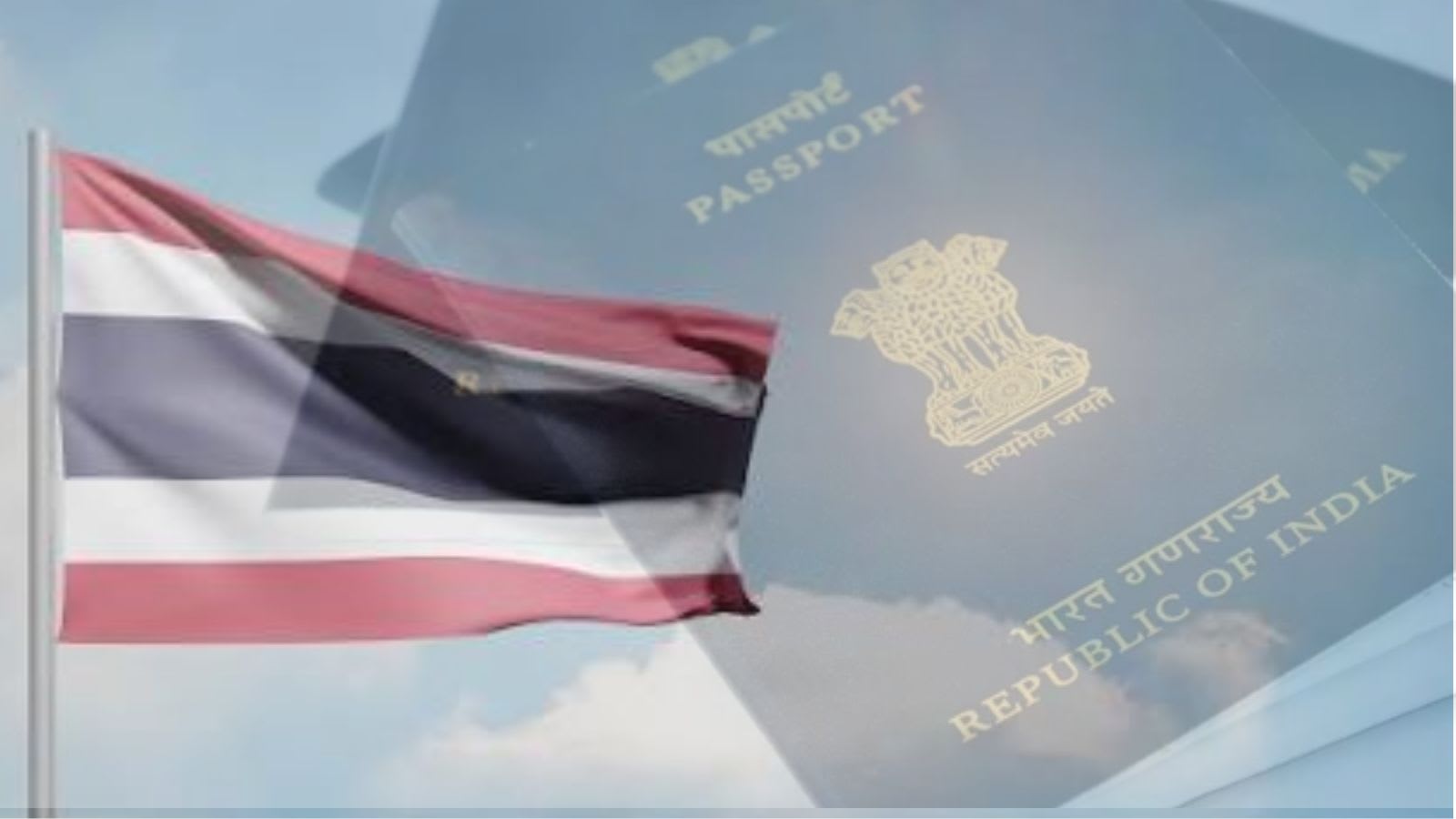
Thailand has approved a 30-day visa-free entry policy for Indian tourists to stimulate tourism growth. Officials expect this initiative, coupled with expanded flight connectivity to smaller Indian cities, to attract a record 2.7 million visitors next year.
Thailand Opens Doors: A New Era for Indian Tourism
Thailand’s recent strategic decision to grant 30-day visa-free entry to Indian nationals marks a pivotal shift in the Southeast Asian nation's tourism recovery strategy. By removing the bureaucratic hurdles associated with visa applications, the Thai government is positioning itself to capture a larger share of the burgeoning Indian outbound travel market. This move is not merely a policy adjustment; it is a calculated economic maneuver designed to bolster a vital industry that has faced significant headwinds in recent years.
Strategic Expansion and Connectivity
A critical component of this growth projection is the concurrent expansion of flight connectivity. The Tourism Authority of Thailand (TAT) has emphasized that the visa waiver will be supported by an increase in direct flights connecting Thailand to India’s Tier-2 and Tier-3 cities. By decentralizing travel routes beyond major hubs like Delhi and Mumbai, Thailand is tapping into the growing middle-class demographic in smaller Indian cities, which historically faced limited accessibility to international travel options.
Economic Implications and Growth Targets
According to Patsee Permvongsenee, executive director for the ASEAN, South Asia, and South Pacific region at the TAT, the outlook for the Indian market remains overwhelmingly positive. The target of 2.7 million visitors represents a significant milestone, reflecting confidence in the Indian consumer's appetite for international travel. This influx is expected to provide a much-needed boost to the Thai economy, which relies heavily on tourism receipts to maintain fiscal stability and support the service sector.
The Role of Regulatory Policy
While the cabinet has granted approval, the policy's implementation hinges on its formal publication in Thailand’s Royal Gazette. This administrative step is the final hurdle before travelers can enjoy the visa-free privilege. The delay in announcing the exact date of commencement highlights the cautious, methodical approach the Thai government is taking to ensure that infrastructure and border control systems are adequately prepared to handle the anticipated surge in passenger volume.
Contextualizing the Recovery
This initiative arrives at a critical juncture for Thailand, which reported 17.3 million foreign arrivals as of July 18. With recovery efforts still underway to reach pre-pandemic levels, the focus on the Indian market is strategic. By simplifying entry requirements, Thailand is effectively lowering the cost and effort barrier for one of the world's fastest-growing outbound travel markets, ensuring a competitive edge against other regional destinations vying for the same demographic.
Future Trends and Outlook
Looking ahead, the success of this visa-free policy could serve as a blueprint for future tourism initiatives. If the 2.7 million visitor target is met, it will likely encourage further investment in tourism infrastructure, including hospitality and localized experiences tailored to Indian preferences. As the geopolitical landscape shifts and global travel patterns evolve, Thailand’s commitment to facilitating easier access for Indian tourists signals a long-term strategy to sustain growth through inclusive and accessible tourism policies.