The Lightbulb Computer
Source Entity
Hacker News
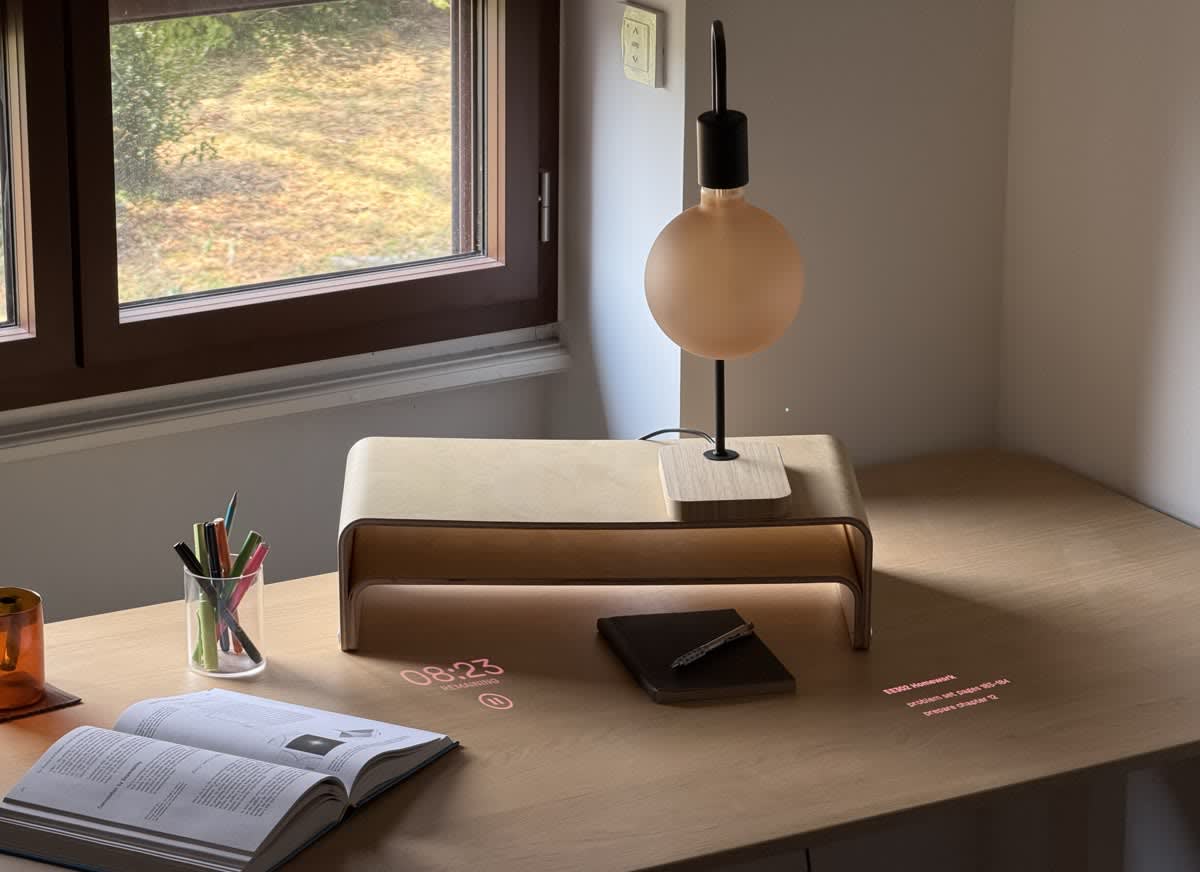
Guillaume Ardaud has introduced 'The Lightbulb Computer,' a speculative design project that uses projectors and computer vision to integrate ambient computing into physical spaces. This approach aims to replace restrictive wearable hardware with non-intrusive, spatial information displays.
Rethinking Human-Computer Interaction
The landscape of human-computer interaction (HCI) has been dominated by the push toward wearable technology, specifically smart glasses and augmented reality (AR) headsets. Guillaume Ardaud’s project, 'The Lightbulb Computer,' challenges this trajectory by critiquing the inherent constraints of current hardware. Ardaud argues that these devices are often socially awkward and physically restrictive, creating a barrier between the user and their immediate environment rather than enhancing it.
The Core Concept: Ambient Computation
At its heart, the Lightbulb Computer represents a shift from 'device-centric' computing to 'environment-centric' computing. By leveraging modern projector technology and sophisticated computer vision, the system aims to turn everyday surfaces into interactive, spatial interfaces. Instead of confining digital information to small, rectangular screens or intrusive head-mounted displays, the project seeks to weave computation into the fabric of the room itself.
Overcoming Hardware Constraints
The primary friction point identified by Ardaud is the 'piping' of information through devices that obstruct the natural human experience. Wearable technology often forces users to look through a lens, which can lead to digital fatigue and social alienation. By utilizing ambient projection, the Lightbulb Computer attempts to dissolve the boundary between the physical and the digital, allowing for a more natural, shared interaction with spatial data.
Technological Foundations
The feasibility of this project rests on the rapid advancement of computer vision, which allows the system to map the physical environment and understand object placement in real-time. Paired with high-precision projectors, this setup can theoretically turn a simple desk, wall, or floor into a dynamic, responsive interface. This represents a departure from traditional UI design, moving toward a model where the interface is context-aware and physically grounded.
Future Implications and Design Trends
As we look toward the future of technology, Ardaud’s speculative design highlights a growing fatigue with the 'screen-first' paradigm. If successful, this ambient approach could fundamentally change how we work and interact in shared spaces. Rather than retreating into a personal digital bubble, users could engage with information in a way that is collaborative, visible, and unobtrusive, potentially setting a new standard for how we design the digital ecosystems of the next decade.
Conclusion
The Lightbulb Computer serves as a provocative design prototype that forces us to question the necessity of the hardware currently dominating the market. By prioritizing the fluidity of the physical world over the enclosure of wearable tech, Ardaud opens a dialogue about a more human-centric, ambient, and spatial future for computing.