The long, challenging road to gender equality
Source Entity
Latest News: Todays Latest News Headlines from India & World | Hindustan Times | Hindustan Times
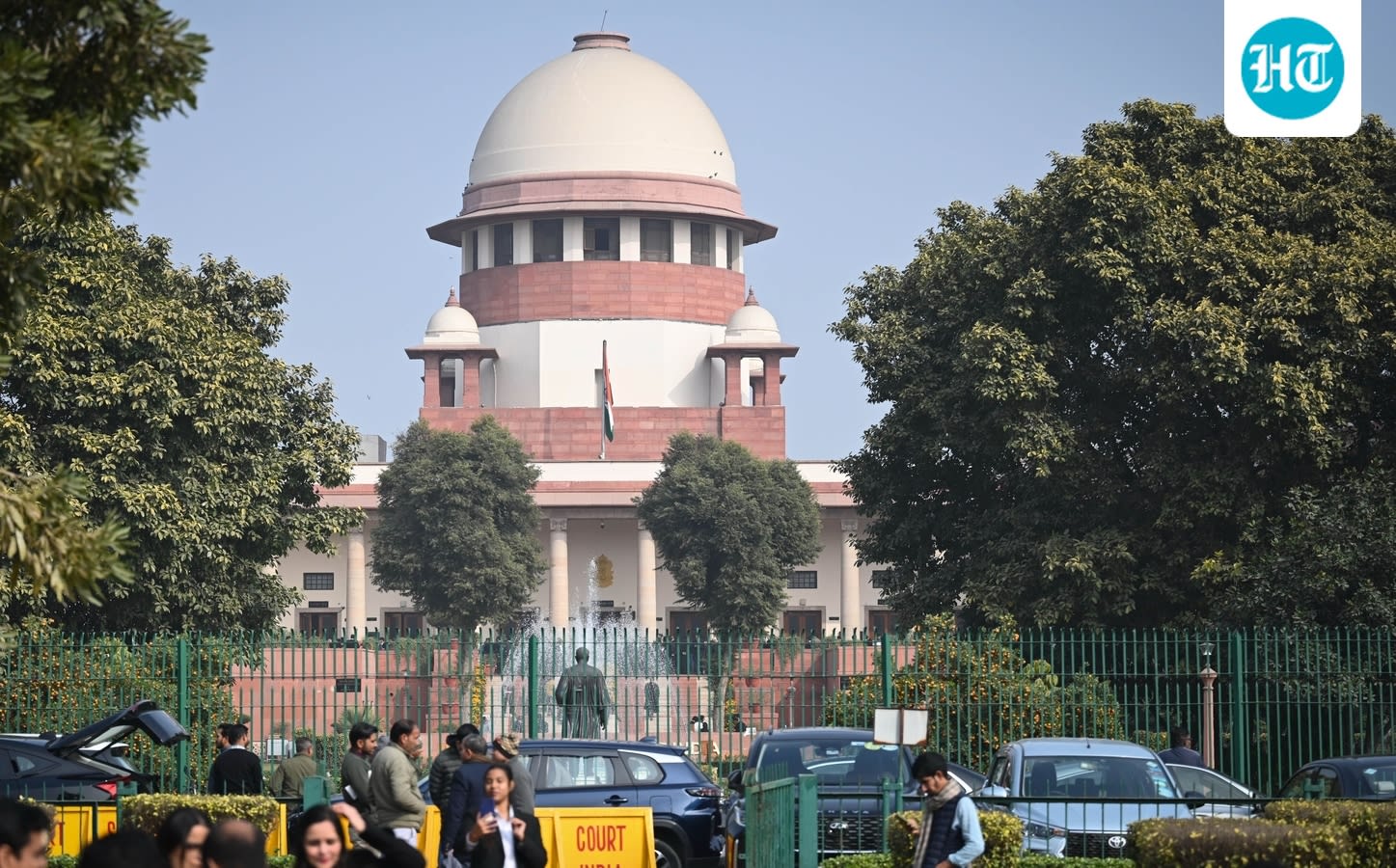
Mihira Sood's book 'Courting Equality' examines the non-linear progress of women's rights in India, highlighting the persistent gap between constitutional promises and social reality. The analysis underscores ongoing legal battles, including marriage equality and the Sabarimala case, as evidence of the fragile nature of gender parity.
The Fragile Path to Constitutional Parity
The quest for gender equality in India remains a complex, non-linear journey, characterized by significant legal milestones often met with substantial social and institutional friction. As highlighted in Mihira Sood’s Courting Equality: Landmark cases in the battle for women’s rights, the transition from constitutional theory to lived experience is fraught with delays, reversals, and persistent cultural resistance. Despite seven decades of legislative efforts, the fundamental gulf between the promise of equality and the reality on the ground remains a defining feature of the Indian legal landscape.
Cycles of Progress and Backlash
History suggests that the movement for women’s rights operates in distinct cycles of activism and stagnation. Sood’s work posits that progress is rarely a straight line; rather, it is often punctuated by periods of intense public engagement followed by significant lulls or even concerted backlashes. This cyclical nature is evidenced by the modern context where rights previously considered settled are once again under scrutiny or threat, forcing a re-evaluation of how effectively the judiciary can influence deep-seated societal norms.
The Legal Paradox of Modern India
Modern Indian jurisprudence presents a paradox of progress. While landmark rulings, such as the decriminalization of Section 377, signify a move toward inclusion, other areas remain starkly traditional. The failure to secure majority approval for marriage equality in the Supreme Court illustrates the limitations of the judiciary when confronted with deeply entrenched normative structures. These instances demonstrate that even when the law attempts to bridge the equality gap, the institutional appetite for radical social change remains constrained.
Persistent Battles: From Sabarimala to Social Reform
The ongoing legal challenges surrounding the Sabarimala temple serve as a poignant case study for the friction between traditional practices and constitutional rights. The fact that the matter is being heard by a larger bench underscores the complexity of reconciling religious autonomy with the constitutional mandate of equality. This case is not merely about access to a place of worship; it is a fundamental debate on the extent to which the state can intervene in traditions that systematically exclude women.
A Legacy of Activism
The impetus for this modern legal discourse is deeply rooted in grassroots activism. The 2012 December 16 gang-rape case serves as a critical inflection point in recent history, acting as a catalyst for a generation of legal professionals—including Sood herself—to engage with the structural failures of the justice system. This traumatic event fundamentally altered the national conversation, shifting the focus from mere grievance to a systematic demand for institutional reform and legislative protection.
Future Outlook: The Need for Sustained Advocacy
The trajectory of gender equality in India will likely depend on the synergy between judicial interpretation and sustained public advocacy. As the legal system continues to grapple with these defining cases, the role of legal scholarship and activism becomes paramount. The future of the movement relies on preventing the erosion of existing rights while pushing for a more robust application of constitutional values in everyday life, ensuring that the promise of equality is no longer a distant ideal but a functional reality.
Verification Required?