Three men charged in US with using AI to impersonate CEOs and steal millions
Source Entity
Johana Bhuiyan
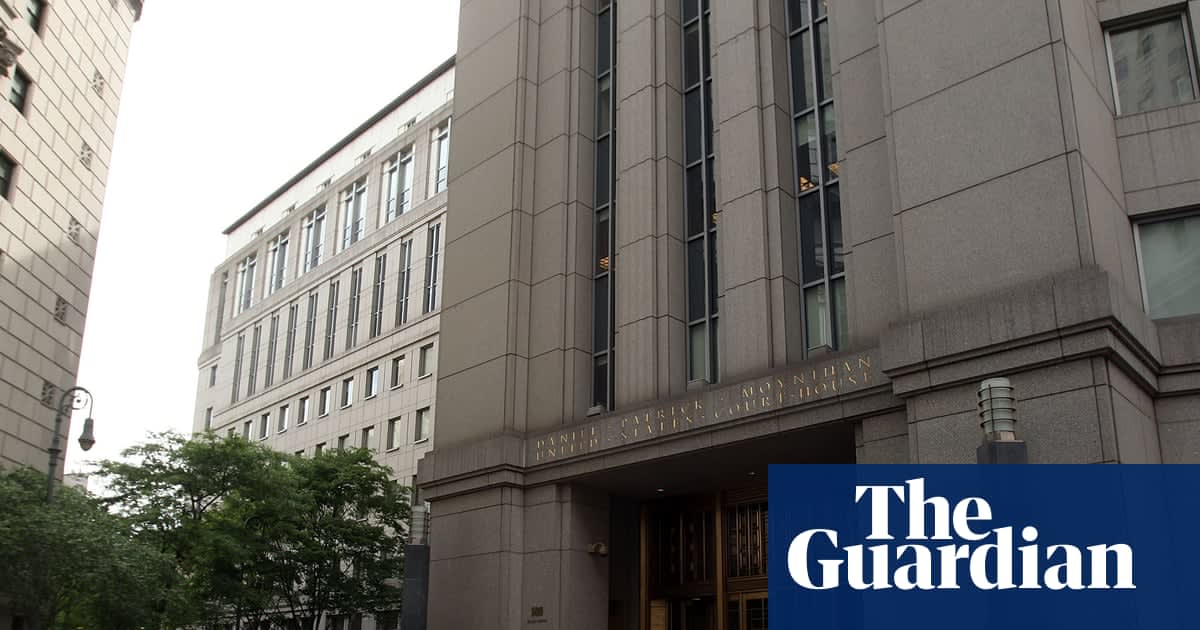
Three foreign nationals were arrested for using AI-driven voice and image impersonation to defraud companies of over $100 million. The scheme involved manipulating employees into making unauthorized payments by mimicking corporate executives and attorneys.
The Rise of AI-Enabled Corporate Fraud
The recent indictment unsealed by the U.S. Department of Justice marks a significant escalation in the intersection of artificial intelligence and sophisticated financial crime. Three foreign nationals—Jacob Soall, Sharon Hazan, and Guy Sheetrit—have been charged with orchestrating a massive fraud scheme that extracted over $100 million from various corporations. By leveraging advanced AI tools to clone the voices and images of high-level executives and legal counsel, the perpetrators bypassed traditional verification methods, signaling a new era of digital deception.
Mechanics of the Impersonation Scheme
The operation, which spanned from 2024 to 2026, utilized generative AI to create highly convincing deepfakes. By mimicking the specific vocal patterns and physical likenesses of trusted corporate leaders, the defendants were able to manipulate employees into initiating unauthorized wire transfers and large payments. This method essentially weaponized the internal trust structures of these organizations, turning human reliance on familiar professional communication against the companies themselves.
Global Law Enforcement Cooperation
The apprehension of the suspects highlights the critical importance of international law enforcement cooperation in the digital age. With Soall and Hazan apprehended in Spain and Sheetrit arrested in the United Kingdom, the investigation demonstrates that cybercriminals cannot rely on geographical borders to evade prosecution. The U.S. Attorney’s Office for the Southern District of New York has effectively utilized cross-border intelligence sharing to track these individuals across multiple jurisdictions, underscoring the reach of U.S. federal oversight in digital crimes.
The Vulnerability of Corporate Governance
This case exposes a glaring vulnerability in modern corporate governance: the reliance on voice and visual confirmation for high-stakes financial authorization. As AI technology becomes more accessible and sophisticated, the 'human element' of security protocols is increasingly becoming a liability. Corporations must now contend with the reality that visual and auditory cues are no longer sufficient proof of identity, necessitating a shift toward multi-factor authentication and decentralized approval workflows that do not rely on a single executive’s request.
Future Trends and Cybersecurity Implications
Looking ahead, this case serves as a harbinger for future financial crime trends. As generative AI continues to evolve, the barrier to entry for such high-level fraud is plummeting, allowing less skilled actors to carry out complex social engineering attacks. We can expect a rapid transformation in corporate cybersecurity training, which will likely move beyond simple phishing awareness to include advanced 'deepfake' detection and verification protocols. The $100 million loss serves as a stark warning to boards of directors that AI security is now a fundamental fiduciary responsibility.
Conclusion
The indictment of Soall, Hazan, and Sheetrit is a watershed moment in the battle against AI-driven crime. By successfully merging deepfake technology with traditional social engineering, these individuals exploited the very trust that facilitates global commerce. As the legal system proceeds with these cases, the outcomes will likely influence future international cybercrime policy and force a fundamental redesign of how corporations verify the authenticity of their internal communications.