Wildfire burning one month on is 'the size of a small town'
Source Entity
BBC News
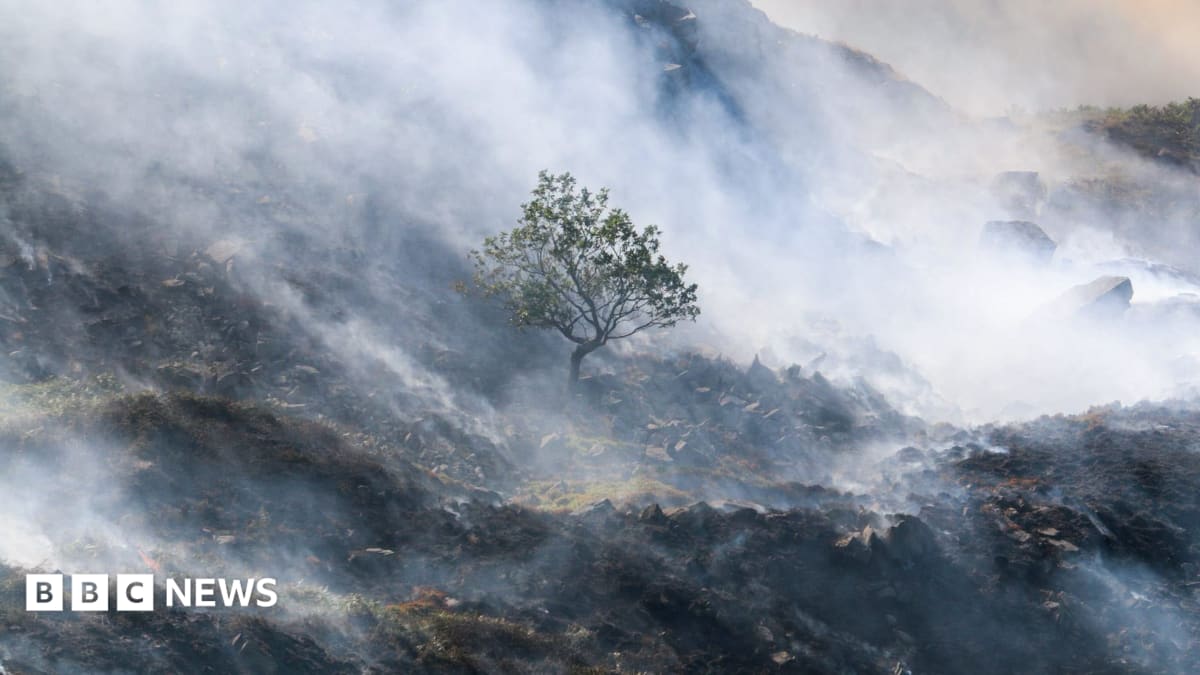
A persistent wildfire at Tintwistle Moor in the Peak District has burned for over a month, reaching a size comparable to a small town. The incident has been declared a major emergency, straining national resources amid prolonged dry, hot weather conditions.
The Tintwistle Moor Crisis: A Month-Long Inferno
For over a month, the landscape of the Peak District has been under siege by a relentless wildfire at Tintwistle Moor. What began as a series of reports regarding smoke rising over the town on a June evening has escalated into a major environmental catastrophe. The blaze, which continues to smolder, has now reached a physical scale described as being the size of a small town, a development so significant that the fire is visible from space.
Escalation to a Major Incident
The situation reached a critical breaking point on July 13, when local authorities officially declared the fire a major incident. This designation is reserved for emergencies that require a significant mobilization of resources and multi-agency coordination. The timing of this disaster coincides with an unrelenting period of hot, dry weather that has plagued the region, creating a tinderbox environment that makes containment exceptionally difficult for firefighting crews on the ground.
Environmental Impact and Expert Analysis
Dr. Kirsten Lees, an environmental sciences lecturer at the University of Derby, has provided a sobering assessment of the situation. By comparing the Tintwistle Moor fire to the largest wildfires historically recorded in England, Dr. Lees highlights the unprecedented nature of this event. Her expertise in zero carbon and environmental science underscores the broader concern regarding how such massive blazes contribute to carbon release and the degradation of delicate moorland ecosystems, which are vital for biodiversity and carbon sequestration.
Strain on National Resources
The persistence of the Tintwistle fire has pushed the United Kingdom’s firefighting resources to their absolute limits. Maintaining a presence on the moorland for over thirty days requires massive logistical support, personnel rotation, and specialized equipment. This prolonged engagement limits the capacity of fire services to respond to other emergencies, illustrating the systemic vulnerability of regional emergency services when faced with climate-driven natural disasters.
Future Trends and Climate Implications
As the fire continues to burn, it serves as a stark reminder of the changing climate patterns affecting the British Isles. The combination of prolonged heatwaves and drying peatlands creates conditions conducive to long-duration wildfires that were once considered rare. The Tintwistle incident suggests a shift in the landscape's fire risk profile, necessitating a re-evaluation of how environmental management and emergency preparedness are integrated to protect rural and semi-urban areas.
Conclusion
The Tintwistle Moor wildfire remains a significant and ongoing threat, characterized by its extraordinary duration and physical scale. With the fire still active and no immediate end in sight, the situation remains a primary concern for both local authorities and environmental scientists. The event underscores the urgent need for increased awareness of wildfire risks in the UK as environmental conditions continue to evolve in the face of broader climatic shifts.