TMC's Derek O'Brien shares 2025 Rajya Sabha video to counter Amit Shah’s challenge on SIR debate
Source Entity
India Latest News: Top National Headlines Today & Breaking News | The Hindu
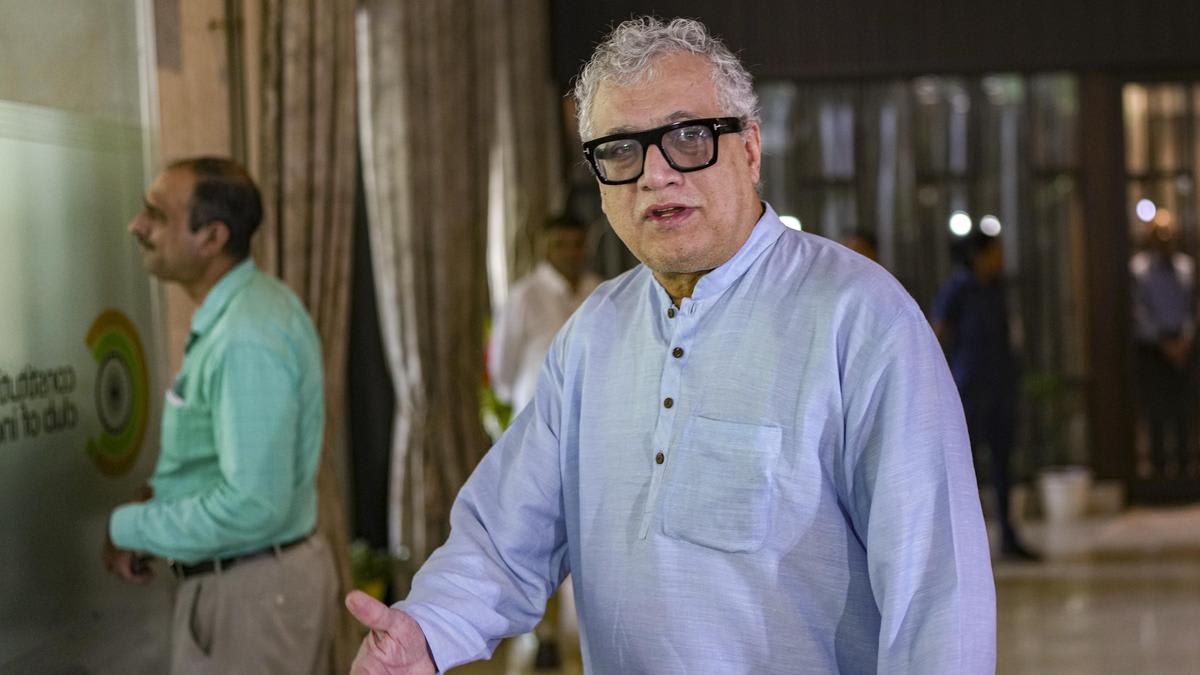
TMC leader Derek O'Brien challenged Amit Shah's call for a debate on electoral roll revisions by sharing a 2025 video of the Opposition's ignored request. The move highlights ongoing tensions over the Election Commission's Special Intensive Revision process.
The Parliamentary Standoff Over Electoral Integrity
The political landscape in India has witnessed a sharp escalation as Trinamool Congress (TMC) leader Derek O'Brien directly challenged Union Home Minister Amit Shah's recent call for a parliamentary debate on the Election Commission's Special Intensive Revision (SIR) of electoral rolls. By circulating a video of previous Rajya Sabha proceedings, O'Brien has cast a spotlight on the friction between the ruling coalition and the Opposition regarding electoral transparency and legislative accountability.
Historical Context of the SIR Dispute
This confrontation is deeply rooted in the broader debate concerning the independence and administrative processes of the Election Commission. The SIR exercise, designed to update and refine voter rolls, has become a flashpoint for political contention. O'Brien’s release of the December 1, 2025, footage serves as a strategic counter-narrative, suggesting that the Opposition’s previous attempts to engage in parliamentary oversight were sidelined, thereby questioning the sincerity of current government invitations for debate.
Tactical Communication and Digital Politics
Derek O'Brien’s use of social media to resurface historical parliamentary records highlights the evolving nature of political discourse in India. By framing the 2025 footage as a "reminder" to the ruling leadership, the TMC is attempting to bridge the gap between past legislative silence and current demands for discourse. This digital strategy serves to hold the government accountable by contrasting current rhetorical challenges with historical legislative records.
The Broader Implications for Electoral Reforms
At the core of this dispute lies the integrity of the democratic process. The SIR is not merely an administrative task; it is a fundamental component of ensuring that the electoral base remains accurate and representative. When the Opposition claims that their requests for discussion were ignored, it underscores a growing deficit in legislative cooperation. The intensity of this standoff suggests that future electoral reforms may face significant hurdles in Parliament unless a consensus on transparency is reached.
Assessing the Path Forward
As the political confrontation over the Election Commission's role intensifies, the reliance on historical precedent and video evidence will likely become a recurring tactic for both the INDIA bloc and the ruling establishment. The demand for a discussion on electoral rolls is intrinsically linked to the public's trust in the democratic machinery. If the government and Opposition cannot reconcile their conflicting accounts of parliamentary record-keeping, the debate over SIR will continue to polarize the political spectrum, potentially overshadowing other critical legislative business in upcoming sessions.
Verification Required?