Tovino Thomas slams those doubting his nationalism after supporting students; Vismaya Mohanlal raises questions
Source Entity
Latest News: Today's Latest News Headlines from India & World | Hindustan Times | Hindustan Times
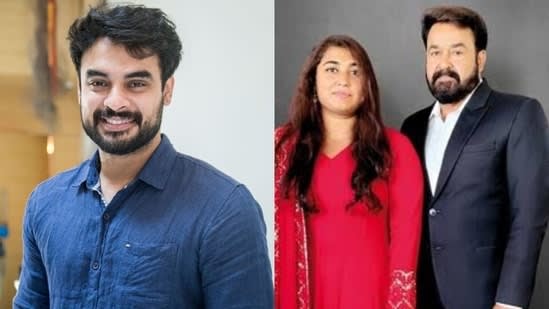
Prominent figures Tovino Thomas and Vismaya Mohanlal have publicly condemned the police crackdown on student protesters during the Chalo Sansad march in New Delhi. The incident, involving lathi charges and tear gas, has sparked a broader debate on dissent, nationalism, and the role of public figures in political discourse.
The Intersection of Celebrity and Dissent: Analyzing the Chalo Sansad Response
The Incident at Jantar Mantar
The recent Chalo Sansad march in New Delhi, which saw students attempting to march from Jantar Mantar toward the Parliament, escalated into a significant confrontation between demonstrators and law enforcement. Reports confirm that the Delhi police employed force, including lathi charges and tear gas, to disperse the crowd. This event has become a flashpoint for national conversation regarding the right to protest and the state's response to student-led activism.
Celebrity Intervention and Public Backlash
The involvement of high-profile figures such as actor Tovino Thomas and Vismaya Mohanlal has amplified the discourse surrounding these events. By choosing to speak out against the police action, these individuals have transitioned from the realm of entertainment into the sphere of socio-political commentary. However, this shift has not been without personal cost, as seen in the backlash Tovino Thomas faced regarding his perceived 'nationalism'—a recurring theme in modern Indian political discourse where support for protest is frequently challenged through the lens of patriotism.
The Complexity of Nationalism and Protest
When public figures express solidarity with student protesters, they often encounter a polarized digital environment. The criticism directed at Tovino Thomas illustrates a growing trend where questioning state authority is equated with a lack of national loyalty. This binary approach limits the space for nuanced democratic debate, as celebrities are pressured to remain silent or conform to state-aligned narratives to avoid public vitriol or professional repercussions.
Historical Precedents and Broader Implications
Student movements have historically been the vanguard of democratic change in India, serving as a pulse for societal discontent. The use of force against these groups often triggers a 'chilling effect' on free speech. The intervention of public figures like Thomas and Mohanlal serves to bridge the gap between niche political activism and mainstream public awareness, forcing the wider population to confront the realities of police conduct during civil demonstrations.
The Digital Battlefield
Social media has become the primary battleground for these ideological clashes. As noted by other actors like Vijay Varma, who faced threats of being 'unfollowed' for his stance, the digital space is increasingly intolerant of dissent. The decision by Thomas to explicitly address and dismiss those questioning his nationalism represents a firm pushback against the intimidation tactics often employed by anonymous online mobs to silence political expression.
Conclusion: The Future of Public Discourse
The incident at the Chalo Sansad march underscores the fragility of the democratic space in India. As celebrities continue to use their platforms to highlight state actions, the tension between nationalist rhetoric and the right to dissent will likely intensify. The courageous stance taken by these individuals suggests a shift where public figures are increasingly willing to risk their popularity to address systemic issues, signaling a potentially more engaged, albeit increasingly polarized, civic future.
Verification Required?