Delhi: Toxic Foam Spotted Floating On Yamuna River At Kalindi Kunj
Source Entity
Latest News: Todays Latest News Headlines from India & World | Hindustan Times | Hindustan Times
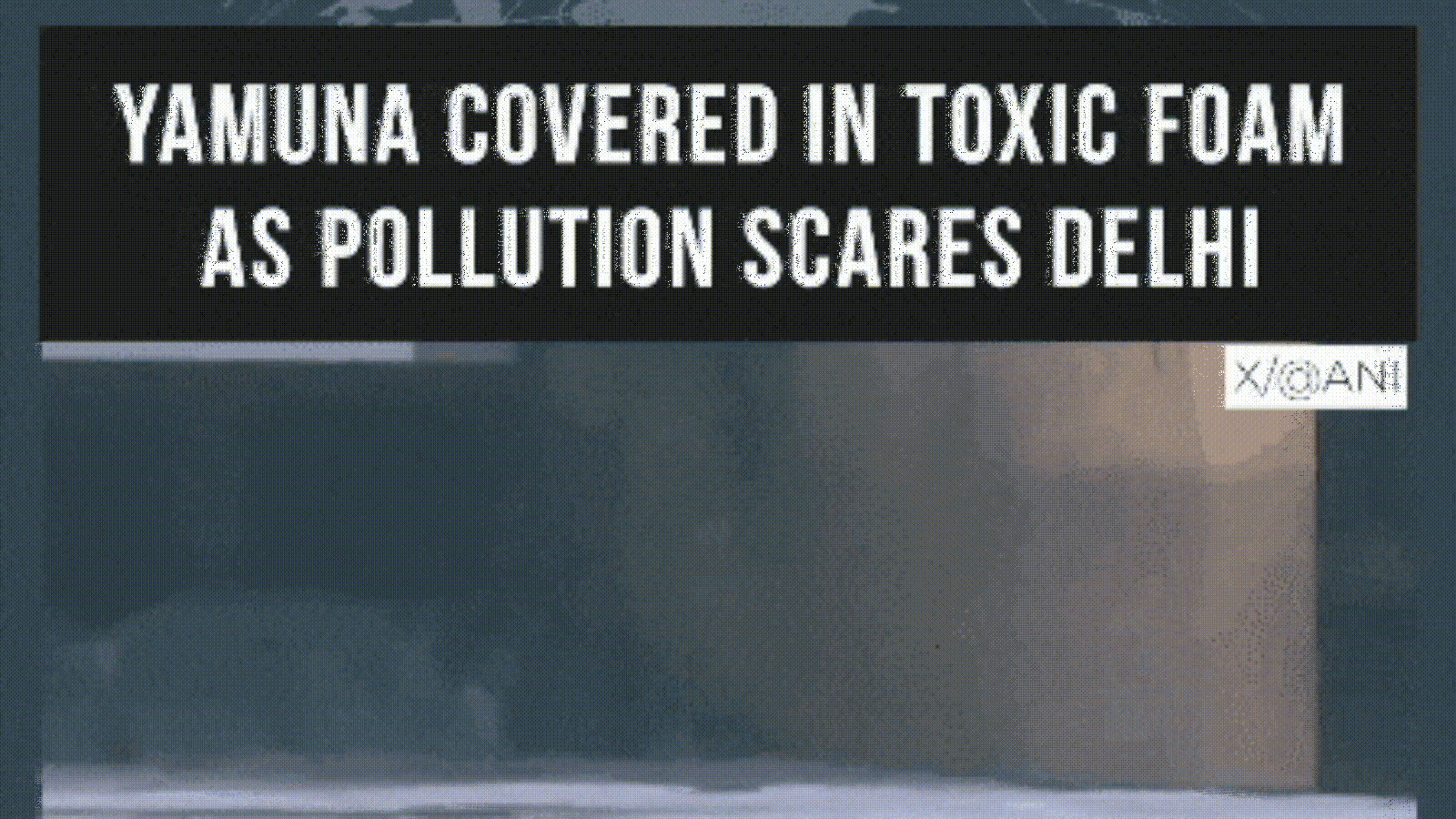
Thick, toxic white foam has resurfaced on the Yamuna River at Kalindi Kunj, Delhi. This recurring environmental hazard highlights ongoing failures in industrial waste management and sewage treatment in the capital.
The Toxic Resurgence: Yamuna River Crisis
The reappearance of thick, toxic white foam floating on the surface of the Yamuna River at Kalindi Kunj serves as a stark visual reminder of the persistent environmental crisis plaguing India's capital. This phenomenon, which has become an annual concern during the post-monsoon period, indicates a dangerous accumulation of pollutants that compromise the river's ecological integrity and pose significant health risks to the surrounding population.
The Chemistry of the Foam
At the core of this issue is the high concentration of phosphate and surfactant levels in the water. The foam is primarily generated by untreated industrial effluents and domestic sewage containing high levels of detergents and chemicals that are discharged into the river upstream. As the water flows through the barrage at Kalindi Kunj, the turbulence causes these chemical compounds to froth, creating the dense, snowy-white blanket that frequently covers the river's surface.
Infrastructure and Regulatory Failures
Despite repeated directives from judicial bodies and environmental agencies, the infrastructure for sewage treatment in Delhi remains inadequate to handle the city's massive output of waste. A significant portion of the city's untreated wastewater continues to bypass treatment plants, flowing directly into the Yamuna. The persistence of this foam at Kalindi Kunj highlights a systemic failure in the enforcement of industrial effluent standards and the expansion of sewage treatment capacity necessary to keep pace with rapid urbanization.
Broader Environmental and Health Implications
The Yamuna is a lifeline for millions, and its contamination has long-term consequences for both public health and the regional ecosystem. Exposure to the toxic foam can lead to severe skin and respiratory issues for those living along the banks. Furthermore, the high biochemical oxygen demand (BOD) caused by these pollutants effectively suffocates aquatic life, rendering the river biologically dead in several stretches and disrupting the natural water cycle of the region.
Future Trends and Mitigation
Looking ahead, the situation at Kalindi Kunj is unlikely to improve without a radical overhaul of Delhi's waste management policy. Future mitigation strategies must prioritize the separation of industrial and domestic waste streams and the implementation of advanced tertiary treatment processes. Unless strict accountability is established for industrial units dumping waste and municipal bodies tasked with sanitation, the Yamuna will continue to serve as a symbol of urban decay rather than a vital natural resource.
Conclusion
The toxic foam at Kalindi Kunj is not merely a seasonal aesthetic nuisance; it is a critical indicator of environmental negligence. Addressing this issue requires a sustained, multi-agency approach that integrates better technology with rigorous oversight. Without intervention, the river will continue to face severe degradation, further threatening the ecological health of the Delhi-NCR region.
Verification Required?