Mamata’s Nandigram nominee deserts, Congress’ pick arrested
Source Entity
SUMAN MONDAL, DWAIPAYAN GHOSH, KAUSHIK PRADHAN
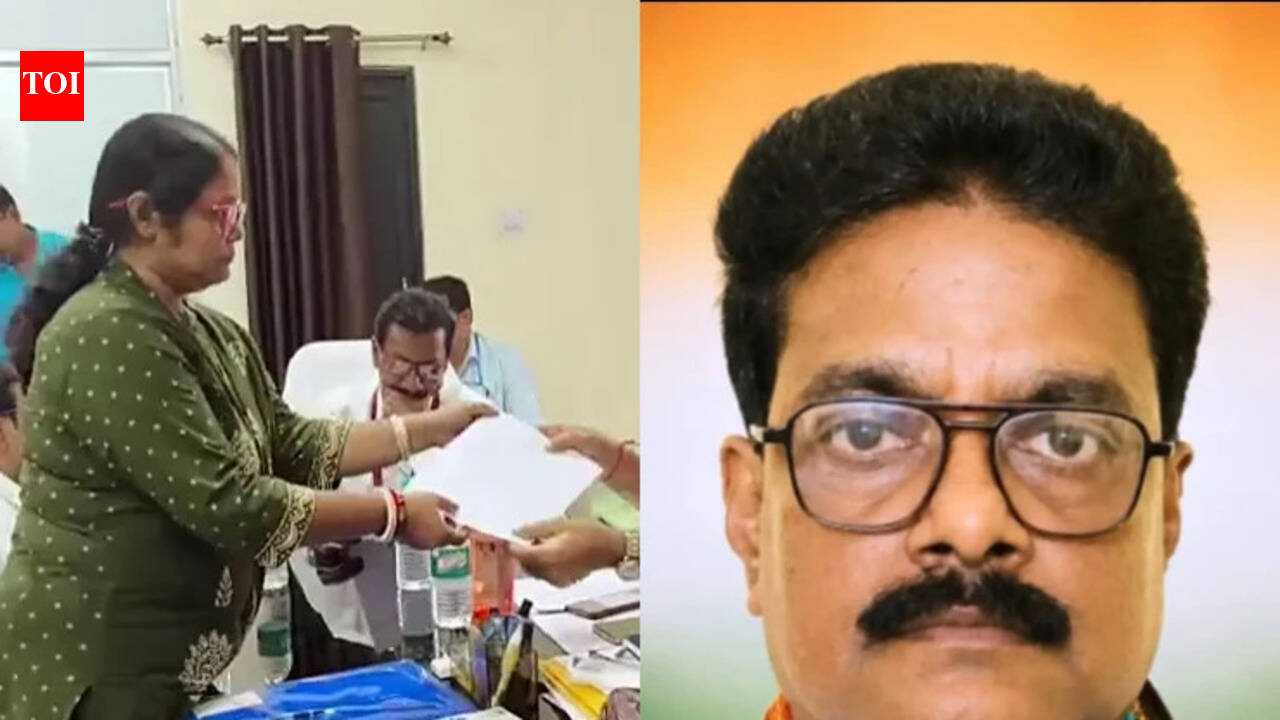
Mamata Banerjee's Trinamool Congress faces severe internal turmoil marked by candidate withdrawals, key arrests, and a legal battle over the party's official symbol. These setbacks, compounded by a factional split led by Ritabrata Banerjee, have triggered a high-stakes challenge at the Supreme Court.
The Trinamool Congress Crisis: A Period of Unprecedented Instability
The political landscape surrounding Mamata Banerjee’s Trinamool Congress (TMC) has been defined by a volatile 72-hour period of systemic setbacks. The party, which has long been a dominant force in West Bengal politics, is currently grappling with a series of administrative and legal crises that threaten its electoral cohesion. The withdrawal of Sanchita Dey Pradhan, the party’s nominee for Nandigram, alongside the arrest of Milan Pradhan, signals a significant breakdown in candidate stability and organizational control during a critical election cycle.
The Impact of Internal Factionalism
At the core of this instability is a deepening divide within the party structure. A faction led by Ritabrata Banerjee has formally split from the organization founded by Mamata Banerjee in 1998. This internal fracturing has not only drained the party's grassroots morale but has also provided opponents with a tactical opening to challenge the TMC’s legitimacy. The departure of key figures and the subsequent legal maneuvers by this breakaway group have placed the party in a defensive position, requiring urgent intervention to maintain its political identity.
Legal Battles Over Party Identity
The situation reached a boiling point when the Election Commission of India moved to freeze the Trinamool Congress symbol. This action effectively stripped the party of its most recognizable electoral asset. In response, Mamata Banerjee has taken the fight to the Supreme Court, challenging the Poll Body’s decision. This legal confrontation is pivotal; the loss of an official symbol often leads to voter confusion and can be a decisive factor in the outcome of closely contested constituencies.
Operational Disruptions and Electoral Stakes
Beyond the symbolic conflict, the party’s operational capacity is under immense strain. The simultaneous occurrence of candidate withdrawals and the arrest of party-affiliated individuals like Milan Pradhan creates a narrative of chaos that is difficult for any political entity to overcome. The 'rollercoaster' nature of these events—where initial losses are followed by minor breathers—highlights the fragility of the party's current campaign strategy in the face of intense scrutiny.
Broader Implications and Future Trends
These events underscore a broader trend of institutional friction between political parties and regulatory bodies during high-stakes elections. The Nandigram constituency, historically a symbolic heartland for Mamata Banerjee, serves as a microcosm of the party’s larger struggle to retain its base while managing internal dissent. As the Supreme Court weighs the arguments regarding the party symbol, the TMC’s future electoral success remains heavily contingent on its ability to consolidate its remaining leadership and resolve the legitimacy crisis sparked by the Ritabrata Banerjee-led faction.
Conclusion
The current turmoil within the Trinamool Congress represents a critical juncture for Mamata Banerjee’s political career. Whether the party can emerge from this period of administrative and legal turbulence depends on the judiciary's upcoming rulings and the party's ability to stem the tide of internal defections. The coming weeks will likely determine if the TMC can re-establish itself as a unified force or if the current fractures will lead to a long-term decline in its political influence.
Multiple Citing Sources