At war with Iran, US still held secret talks with Tehran to deport Iranian nationals
Source Entity
SUBHADRA SRIVASTAVA
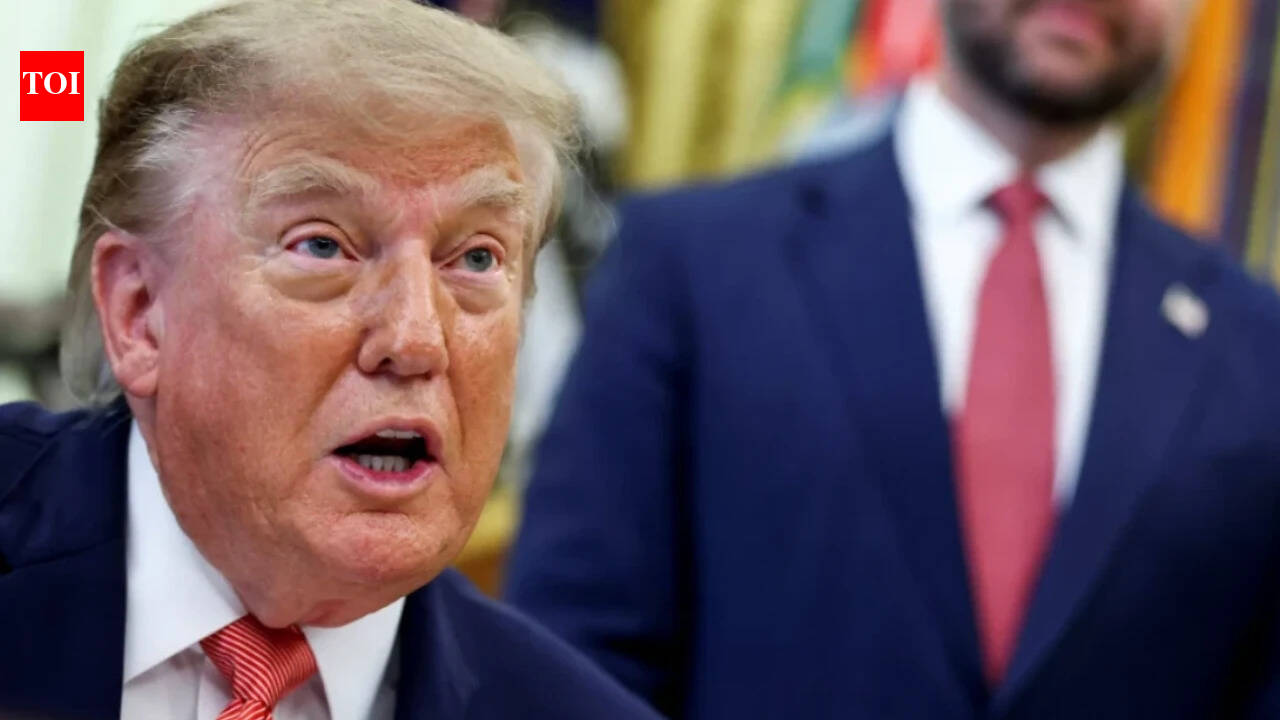
Newly unsealed court documents reveal that the Trump administration engaged in secret negotiations with Iran to facilitate the deportation of Iranian nationals during a period of heightened military conflict. The proceedings highlight a complex diplomatic paradox where administrative immigration enforcement continued despite official hostilities.
The Paradox of Diplomacy Amidst Conflict
Recent revelations from unsealed court documents have shed light on a complex and often contradictory aspect of the Trump administration's foreign and immigration policies. Despite the existence of a state of heightened conflict between the United States and Iran, the administration continued to engage in clandestine discussions with Iranian officials regarding the deportation of Iranian nationals. This disclosure underscores the intricate, often opaque nature of international relations, where administrative objectives—specifically immigration enforcement—can persist even when geopolitical tensions reach a boiling point.
The Mechanics of Secret Negotiations
The court filings, brought to light by an Associated Press investigation, indicate that as recently as mid-October, the U.S. government was actively exploring logistical arrangements to remove Iranians. These plans notably involved the use of an unnamed third country as a conduit for these deportations. The fact that U.S. immigration officials maintained ongoing contact with their Iranian counterparts to process travel documents and deliberate on "possible avenues for removal" suggests a functional, albeit quiet, bureaucratic channel that remained operational despite the broader "war" narrative dominating the public discourse.
Judicial Oversight and Legal Scrutiny
The role of the judiciary has been critical in bringing these private dealings into the public sphere. U.S. District Judge Ana Reyes, during an October 15 hearing, expressed significant concern regarding the government’s actions, ultimately imposing strict reporting requirements. The court has mandated that the government provide 24-hour notice regarding any finalized deportation plans to Iran or third countries, alongside a five-day written notice requirement prior to the execution of any such removal. This judicial intervention serves as a vital check on executive power, ensuring transparency in matters involving sensitive international relations and individual rights.
Implications of Dual-Track Policy
This situation highlights a fundamental tension within modern statecraft: the ability of a government to maintain functional administrative communication with a hostile state while simultaneously engaging in public, antagonistic rhetoric. For the Trump administration, this suggests that immigration enforcement priorities were pursued as a standalone objective, largely insulated from the fluctuations of the broader conflict. However, the reliance on a third country to facilitate these removals implies that direct diplomatic pathways were severely compromised, forcing the administration to navigate a convoluted, secondary network to achieve its policy goals.
Future Trends and Diplomatic Precedent
The revelation of these talks sets a complex precedent for how future administrations might manage immigration enforcement during periods of international instability. It suggests that even in the absence of formal diplomatic relations, bureaucratic machinery often continues to turn, seeking solutions to domestic policy mandates. Moving forward, observers should expect increased judicial scrutiny of executive actions that involve clandestine international agreements, as the courts continue to play a pivotal role in balancing national security interests with legal transparency and due process.
Conclusion
Ultimately, the unsealed documents serve as a stark reminder of the disconnect that can exist between the public face of war and the quiet, behind-the-scenes negotiations of administrative governance. By prioritizing the removal of foreign nationals through secret channels, the administration navigated a precarious path that challenged the boundaries of conventional diplomacy. As these events remain under court oversight, they provide a rare, detailed look into the persistence of bureaucratic processes even in the shadow of geopolitical conflict.