Trump announces US military's ‘Iron Gate’ task force disrupting land routes into Iran
Source Entity
Latest News: Todays Latest News Headlines from India & World | Hindustan Times
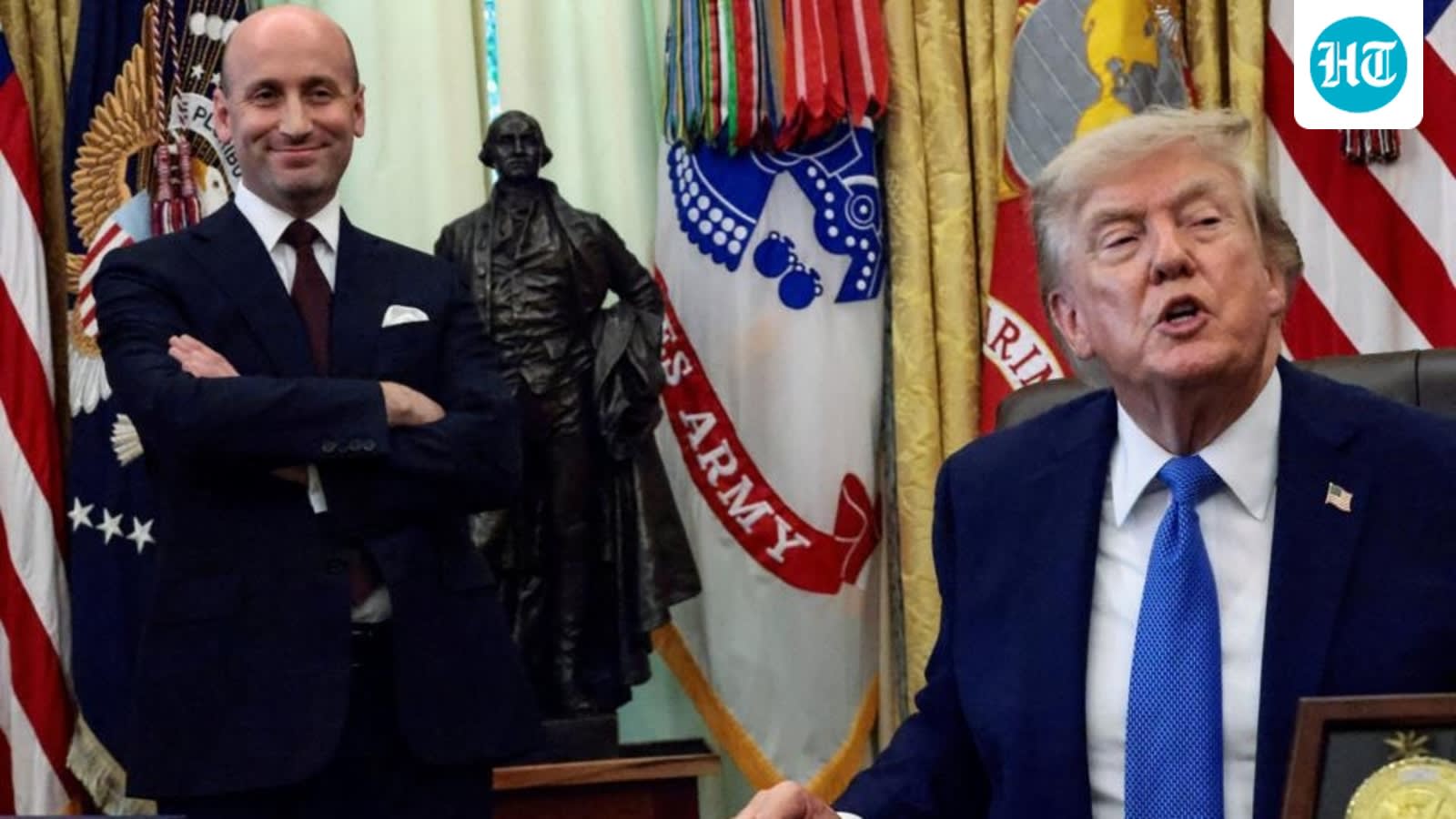
President Trump has launched 'Task Force Iron Gate' to intercept land-based weapon shipments into Iran. This initiative complements an existing naval blockade, aiming to further restrict Tehran's military and financial capabilities.
The Strategic Launch of Task Force Iron Gate
President Donald Trump has officially announced the activation of 'Task Force Iron Gate,' a specialized military unit designed to intercept and disrupt land-based supply chains feeding into the Islamic Republic of Iran. This development marks a significant escalation in the United States' strategy to constrain Iranian influence, specifically targeting the illicit movement of weaponry and materials that fuel regional instability. By expanding the focus from maritime corridors to terrestrial borders, the administration is signaling a comprehensive approach to isolating Iran’s logistical networks.
Expanding the Scope of the Blockade
For the past eight months, the U.S. military has maintained a rigorous naval blockade of Iranian ports, a strategy intended to strangle the flow of goods into the country. The formation of a 20-member specialized team, as announced by U.S. Central Command (CENTCOM), serves as a tactical expansion of these existing efforts. Admiral Brad Cooper, the chief of CENTCOM, emphasized that this force is specifically calibrated to hamper Iran’s capacity to finance and support proxy groups, as well as to obstruct the regime's efforts to rebuild its domestic weapons stockpiles.
The Geopolitical Implications of Land Interdiction
Historically, sanctions and naval blockades have often been circumvented by land-based smuggling routes that traverse porous borders. By deploying Task Force Iron Gate, the U.S. is attempting to close these loopholes, which have long served as a lifeline for the Iranian military-industrial complex. The decision to target land routes acknowledges the limitations of sea-based interdiction and reflects a shift toward a more aggressive, multi-domain containment strategy that aims to achieve total economic and military isolation of the Iranian state.
Domestic Leadership and Policy Execution
The announcement, made in conjunction with the presence of newly appointed Chief of Staff Stephen Miller, underscores the administration's commitment to a 'maximum pressure' doctrine. The use of the Truth Social platform to declare that the task force is in 'full force and effect' suggests a high level of executive oversight regarding the operation. This public signaling is intended both as a warning to Tehran and as a clear demonstration of the administration's foreign policy priorities to its domestic audience.
Future Trends and Regional Resistance
Tehran has already vowed that the efforts of the U.S. military will fail, setting the stage for increased friction in the region. As Task Force Iron Gate begins its operations, the international community will be watching to see how Iran attempts to counter these measures—whether through cyber-warfare, asymmetrical naval tactics, or increased diplomatic pressure on neighboring states. The success of this operation will likely depend on the precision of intelligence gathering and the ability of the U.S. to maintain long-term, high-intensity logistical pressure on a regime that has proven remarkably resilient to past sanctions regimes.
Verification Required?