A Trump signal on more conflict
Source Entity
Latest News: Todays Latest News Headlines from India & World | Hindustan Times
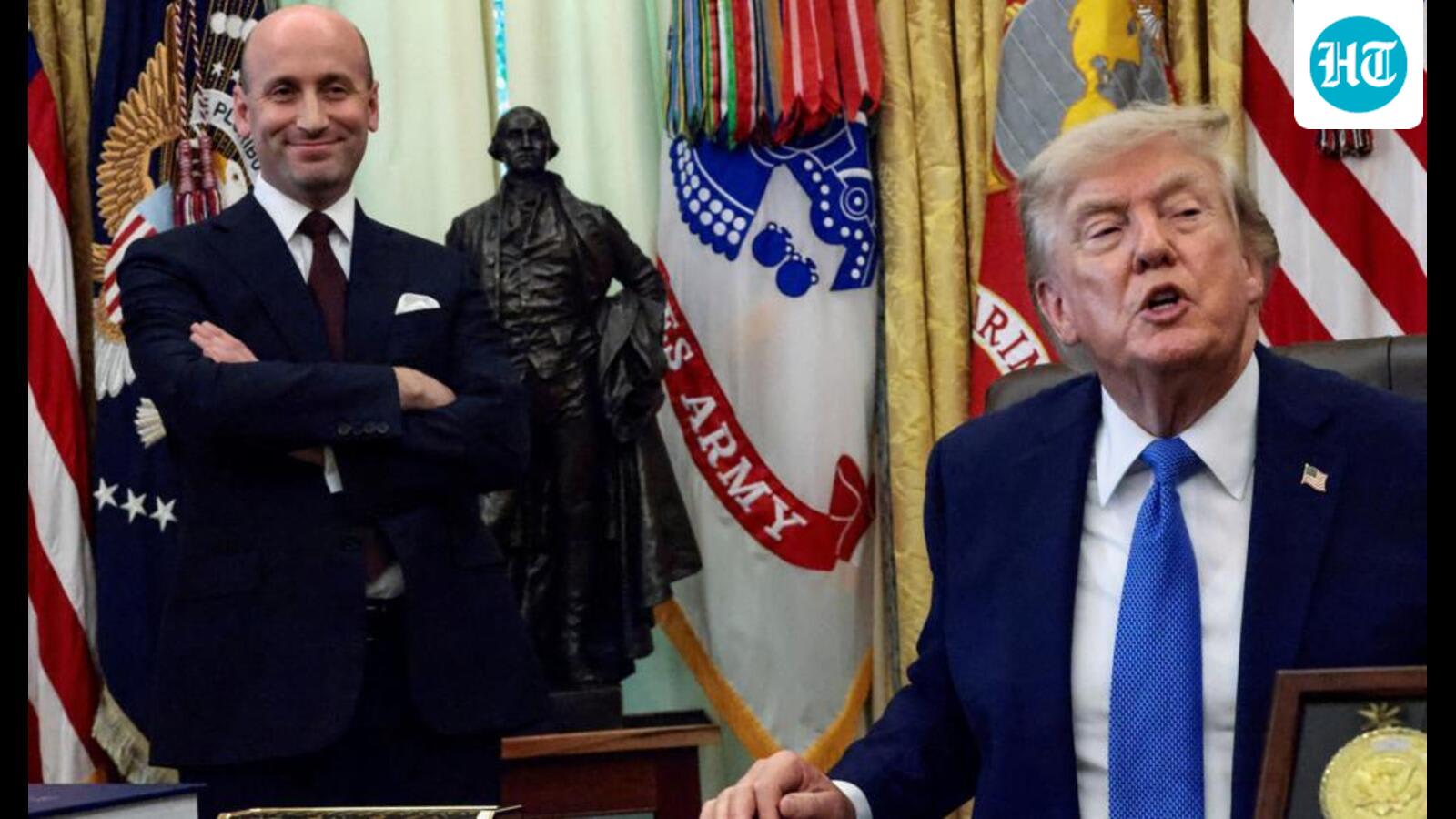
President Trump has appointed Stephen Miller as his new Chief of Staff, signaling a shift toward more aggressive domestic and foreign policies. This move suggests an escalation of tensions in West Asia and a confrontational stance toward Iran.
The Strategic Pivot: Stephen Miller’s Appointment
The appointment of Stephen Miller as White House Chief of Staff marks a definitive shift in the Trump administration's operational philosophy. By elevating a figure known for his ideological rigidity and hardline nationalist approach, the President is signaling a departure from traditional consensus-building toward a more combative governing style. This move comes as the administration seeks to navigate a challenging political landscape following midterm setbacks, opting to double down on controversial policies rather than moderate its platform.
Domestic Friction and Legislative Gridlock
The choice of Miller suggests that the White House is preparing for an era of intense domestic friction. With opposition Democrats holding key positions in both chambers of Congress, the stage is set for a prolonged period of legislative gridlock and partisan warfare. Miller’s history as a senior adviser during the first Trump administration indicates that the executive branch will likely employ aggressive regulatory maneuvers and executive orders to bypass legislative resistance, effectively weaponizing the office of the Chief of Staff to force through a nationalist agenda.
The West Asian Theater: A Hardline Stance
Beyond domestic borders, Miller’s influence is expected to be felt profoundly in West Asia. As a staunch supporter of Israel, his elevation points toward a policy framework that prioritizes strategic alignment with Tel Aviv while maintaining a confrontational posture toward Tehran. This shift effectively closes the door on diplomatic overtures or peace talks with Iran, signaling that the administration views the regional landscape through a lens of containment and direct challenge rather than mediation.
Escalation with Iran
The administration’s current trajectory is evidenced by the recent spate of military strikes on Iran and the introduction of a $20 million bounty for information regarding the Iranian nuclear program. These actions demonstrate that the 'warpath' is not merely rhetorical but is being actively operationalized. By placing a hardliner like Miller at the helm of the White House staff, President Trump is ensuring that the machinery of government is aligned with these aggressive foreign policy objectives, leaving little room for de-escalation.
Future Implications and Global Stability
Looking ahead, the combination of domestic political vengeance and an aggressive foreign policy posture presents a volatile mix for global stability. The administration’s refusal to pivot following midterm defeats suggests that the coming years will be defined by friction. International partners and adversaries alike should expect a U.S. foreign policy that is less predictable, highly assertive, and deeply skeptical of traditional diplomatic norms in favor of direct, often unilateral, interventions.
Conclusion
In summary, the transition to a Miller-led administration represents a hardening of the Trump doctrine. By prioritizing ideological consistency over political flexibility, the White House is signaling its readiness to engage in high-stakes conflict at home and abroad. Whether this strategy will yield the intended geopolitical outcomes or lead to further regional instability remains the central question of this administration’s second term.
Verification Required?