‘Trump Strait’ as payback? POTUS floats Hormuz name change after blaming Iran for US Soldier Deaths
Source Entity
Latest News: Todays Latest News Headlines from India & World | Hindustan Times | Hindustan Times
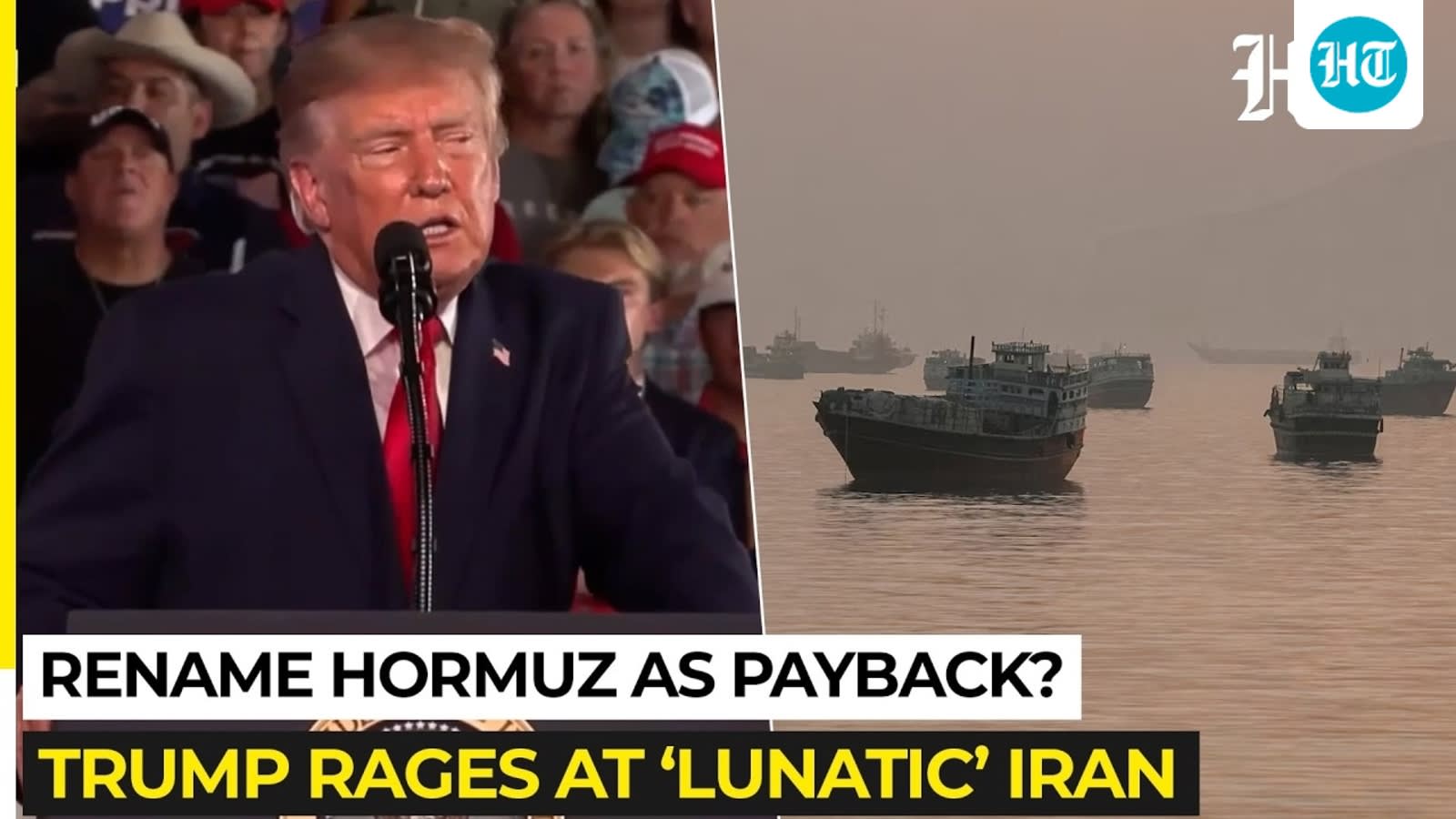
President Trump has floated the idea of renaming the strategic Strait of Hormuz to the 'Trump Strait' amid rising tensions with Iran. This proposal follows his accusations blaming Tehran for the deaths of American service members and highlights the ongoing volatility in global maritime energy routes.
The Geopolitical Significance of the Strait of Hormuz
The Strait of Hormuz serves as one of the most critical maritime chokepoints in the world, facilitating the transit of a massive percentage of global oil production. By floating the provocative idea of renaming this vital artery to the “Trump Strait,” the former President has underscored the intersection of global energy security and high-stakes diplomatic brinkmanship. This proposal is not merely a linguistic shift but a symbolic assertion of American influence in a region where control over maritime lanes is synonymous with economic and military power.
Escalating Rhetoric and Military Tensions
The suggestion of a name change emerged against a backdrop of severe accusations, with the President explicitly blaming Tehran for the deaths of American service members. By claiming that Iran has been responsible for the loss of thousands of lives, the administration signaled a shift toward a more confrontational posture. This rhetoric serves to frame the maritime confrontation not just as a dispute over shipping lanes, but as a direct retaliatory measure for past military casualties, effectively raising the stakes for any future naval engagements in the Persian Gulf.
Symbolic Defiance vs. Strategic Policy
Analysts are left debating whether the “Trump Strait” proposal represents a tangible policy goal or a calculated effort to dominate the news cycle. Historically, renaming geographic features is a rare diplomatic maneuver, often perceived as an act of territorial or political dominance. In this context, the statement functions as a psychological tool intended to project strength to domestic audiences while signaling a total rejection of Iranian regional influence. It reflects a broader pattern of using unconventional diplomatic channels to challenge international norms during periods of acute friction.
Impact on Regional Stability
The Strait of Hormuz has long been the primary theater for US-Iran maritime standoffs, involving tanker seizures, drone incidents, and naval posturing. By injecting the prospect of a name change into this already fragile environment, the administration risks further hardening Iranian resolve. Such rhetoric can inadvertently limit the space for de-escalation, as both parties are forced to respond to the public nature of these declarations, potentially leading to miscalculations in a region where military assets are in constant proximity.
Future Implications for Global Energy Markets
Energy markets are notoriously sensitive to volatility in the Persian Gulf. The mere suggestion that the status of this waterway is being weaponized as a political tool can lead to spikes in oil prices and insurance premiums for shipping vessels. As the US and Iran continue their standoff, the global community must grapple with the reality that maritime security is increasingly tethered to the fluctuating state of bilateral relations. The “Trump Strait” remark serves as a stark reminder that the security of global energy infrastructure is vulnerable to the shifting tides of political rhetoric.
Verification Required?