5 wild animals to look out for in Ladakh
Source Entity
The Indian Express
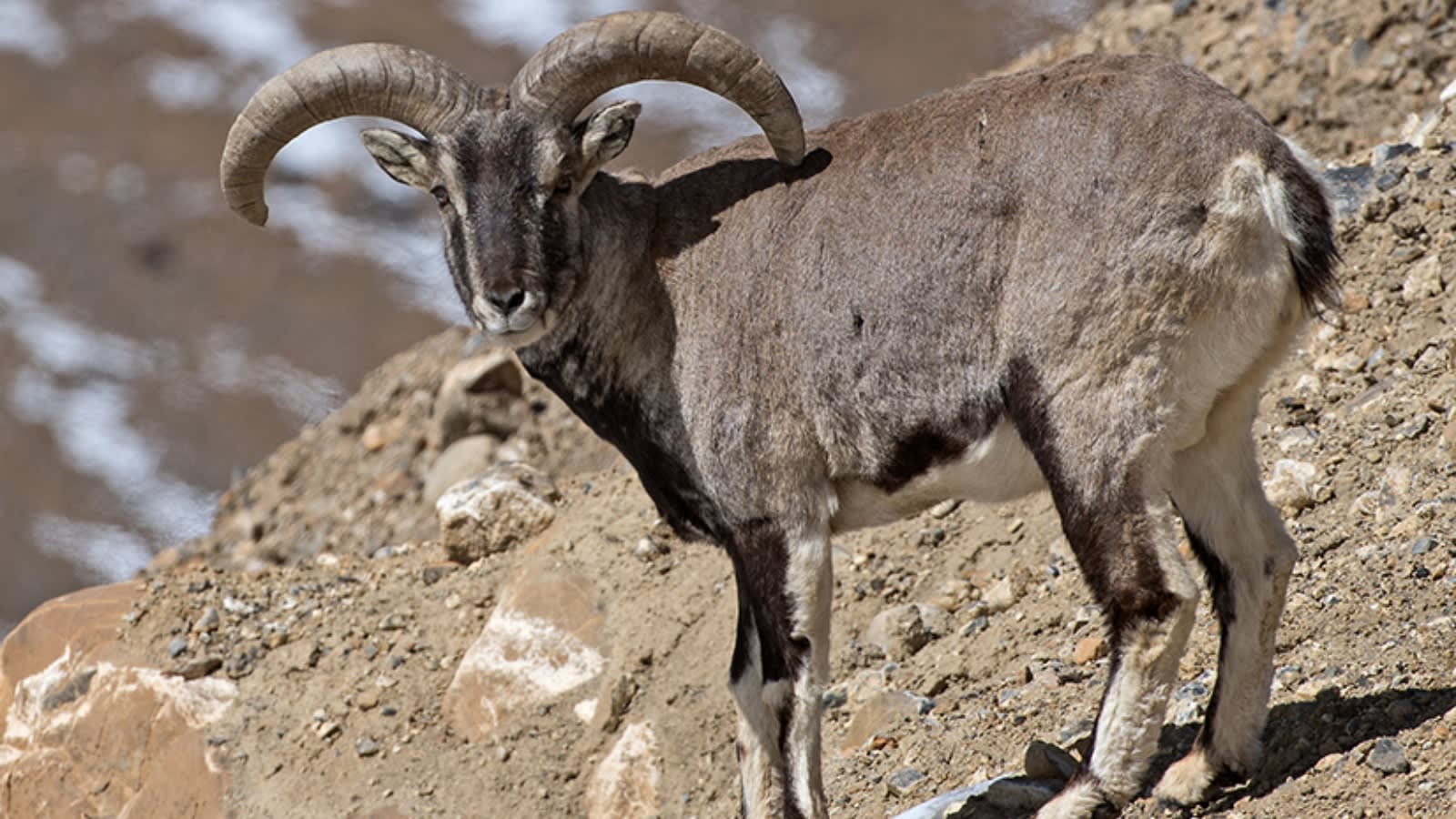
Ladakh is a premier destination for wildlife enthusiasts, offering sightings of rare species beyond the famous snow leopard. The region's unique cold desert ecosystem supports diverse fauna like the Bharal, which are perfectly adapted to the rugged mountain terrain.
The Untamed Wilderness of Ladakh
Ladakh, often referred to as the 'Land of High Passes,' is globally recognized for its stark, breathtaking beauty and its status as a sanctuary for rare Himalayan wildlife. While the elusive snow leopard frequently dominates the narrative for international tourists and photographers, the region represents a complex ecosystem that supports a wider variety of specialized species. Understanding the biodiversity of this high-altitude cold desert is essential for conservation efforts and responsible tourism practices.
Beyond the Snow Leopard: A Broader Ecosystem
While the snow leopard serves as an 'umbrella species'—a creature whose protection inherently safeguards the habitat of many others—the ecological tapestry of Ladakh is woven with several other unique mammals. The focus on the snow leopard, while vital for tourism revenue, sometimes overshadows the presence of other equally fascinating animals that have evolved to thrive in one of the planet's most inhospitable environments.
The Bharal: Master of the Vertical Landscape
Among the most notable inhabitants is the Bharal, or blue sheep. These animals are a marvel of evolutionary adaptation, possessing the physical traits necessary to navigate the vertical, rocky terrain of the Trans-Himalayas. Despite their colloquial name, their coat is not blue, but rather a slate-grey color that provides excellent camouflage against the rocky mountainsides of Ladakh. Their presence is a key indicator of a healthy mountain ecosystem.
Environmental Challenges and Conservation
The survival of species like the Bharal is intricately linked to the preservation of Ladakh's fragile habitat. As tourism increases, the pressure on these animals to find undisturbed foraging grounds grows. Conservationists emphasize that visitors must observe these animals from a distance, ensuring that the human footprint does not disrupt the delicate balance of the cold desert.
Future Trends in Wildlife Tourism
As travel trends shift toward immersive nature experiences, Ladakh is positioned to become a leader in sustainable wildlife observation. By diversifying the focus of wildlife tourism to include species like the Bharal, stakeholders can distribute the pressure of human presence more evenly across the landscape. This approach not only enhances the visitor experience but also promotes a deeper appreciation for the region's total biological diversity.
Conclusion
Ladakh is far more than a single-species destination. By looking beyond the snow leopard, travelers can engage with a complex and thriving high-altitude environment. Protecting the Bharal and its companions is not just about wildlife management; it is about honoring the unique natural heritage of the Himalayan range for future generations.