'Trump will take his dream to his grave': Iran says won't allow US warships in Hormuz
Source Entity
PRANJAL PANDEY
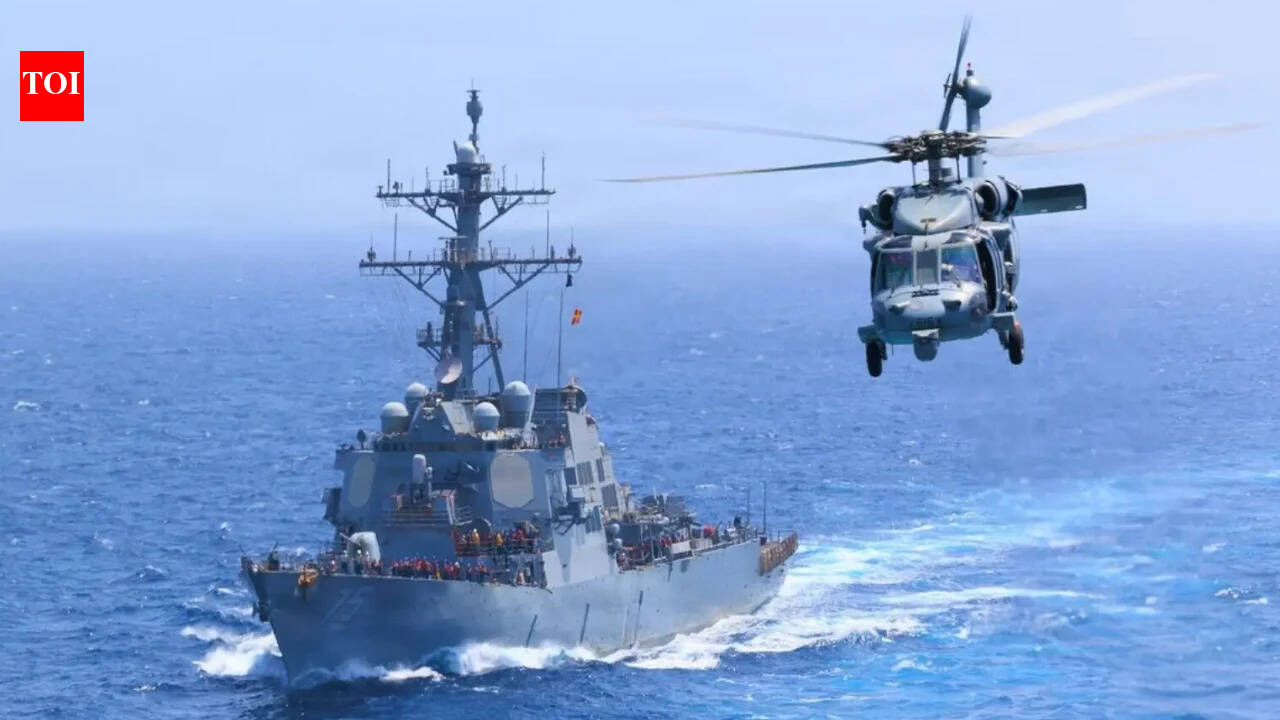
Tensions between the U.S. and Iran are escalating as President Trump threatens potential military action dubbed 'Epic Fury' if diplomatic talks fail. Iran has responded by declaring it will not permit U.S. warships in the Persian Gulf, further complicating regional security.
The Escalating Standoff in the Persian Gulf
The geopolitical tension between the United States and Iran has reached a critical juncture, characterized by a volatile mix of diplomatic overtures and overt military posturing. President Donald Trump, addressing supporters in Florida, explicitly warned of the potential for a new military operation—which he termed "another little Epic Fury"—should Iran fail to reach a negotiated agreement. This rhetoric underscores a high-stakes strategy where the threat of kinetic force is being used as a primary lever to compel Iranian compliance in ongoing diplomatic disputes.
Iran's Defiant Stance on Maritime Sovereignty
In a direct response to these threats, the Iranian military has adopted an uncompromising position regarding its maritime borders. Ali Abdollahi, the chief of staff of Iran’s armed forces, declared that Iran would not permit U.S. military vessels to enter the Persian Gulf under any circumstances. This declaration serves as a stark warning, signaling that Iran views the presence of U.S. naval assets as a direct provocation. By framing the Persian Gulf as a zone where U.S. ships are explicitly unwelcome, Tehran is attempting to project strength and deter what it perceives as encroaching American aggression.
The Dual-Track Strategy of Diplomacy and Deterrence
Despite the bellicose language from both sides, the situation remains fluid due to the lingering possibility of a diplomatic resolution. U.S. Ambassador to Turkiye, Tom Barrack, has indicated that President Trump remains committed to pursuing an agreement. This creates a complex environment where the administration balances the threat of military action with the desire for a deal. The mention of "Epic Fury" serves as a psychological tool intended to pressure the Iranian leadership, while the continued emphasis on negotiations suggests that the U.S. prefers a non-military outcome if the terms are favorable.
Regional Security and Intelligence Concerns
Adding to the volatility are reports from U.S. intelligence agencies concerning increased Iranian efforts to target American diplomats throughout the Middle East. These reports have necessitated tangible safety measures, including the U.S. decision to order the departure of non-emergency personnel from Saudi Arabia. These security concerns highlight the broader regional implications of the standoff, suggesting that the conflict is not confined to naval posturing but involves a wider intelligence and proxy-threat landscape that affects U.S. personnel across multiple nations.
Future Trends and the Risk of Miscalculation
Looking ahead, the primary risk remains the potential for accidental escalation. As both nations engage in "brinkmanship," the margin for error narrows significantly. The explicit warnings from Iranian leadership, combined with the U.S. threat of a "little Epic Fury," create a feedback loop where each side feels compelled to respond to the other's rhetoric with increased displays of force. If diplomatic channels fail to produce concrete progress, the transition from verbal threats to physical conflict becomes a distinct possibility, with the Persian Gulf serving as the most likely theater for such an encounter.
Conclusion
The current impasse represents a dangerous period in U.S.-Iran relations. While the rhetoric of "Epic Fury" and the firm refusal of Iranian officials to allow U.S. naval presence dominate the headlines, the underlying reality is a fragile attempt to manage a crisis without triggering a large-scale war. Whether this period of tension results in a breakthrough diplomatic agreement or a regrettable military escalation will depend heavily on the ability of both parties to navigate their internal political pressures while managing the reality of their security interests in the Middle East.