Trump mocks popularity of the name ‘Mohammad’, common among Muslims
Source Entity
Latest News: Todays Latest News Headlines from India & World | Hindustan Times | Hindustan Times
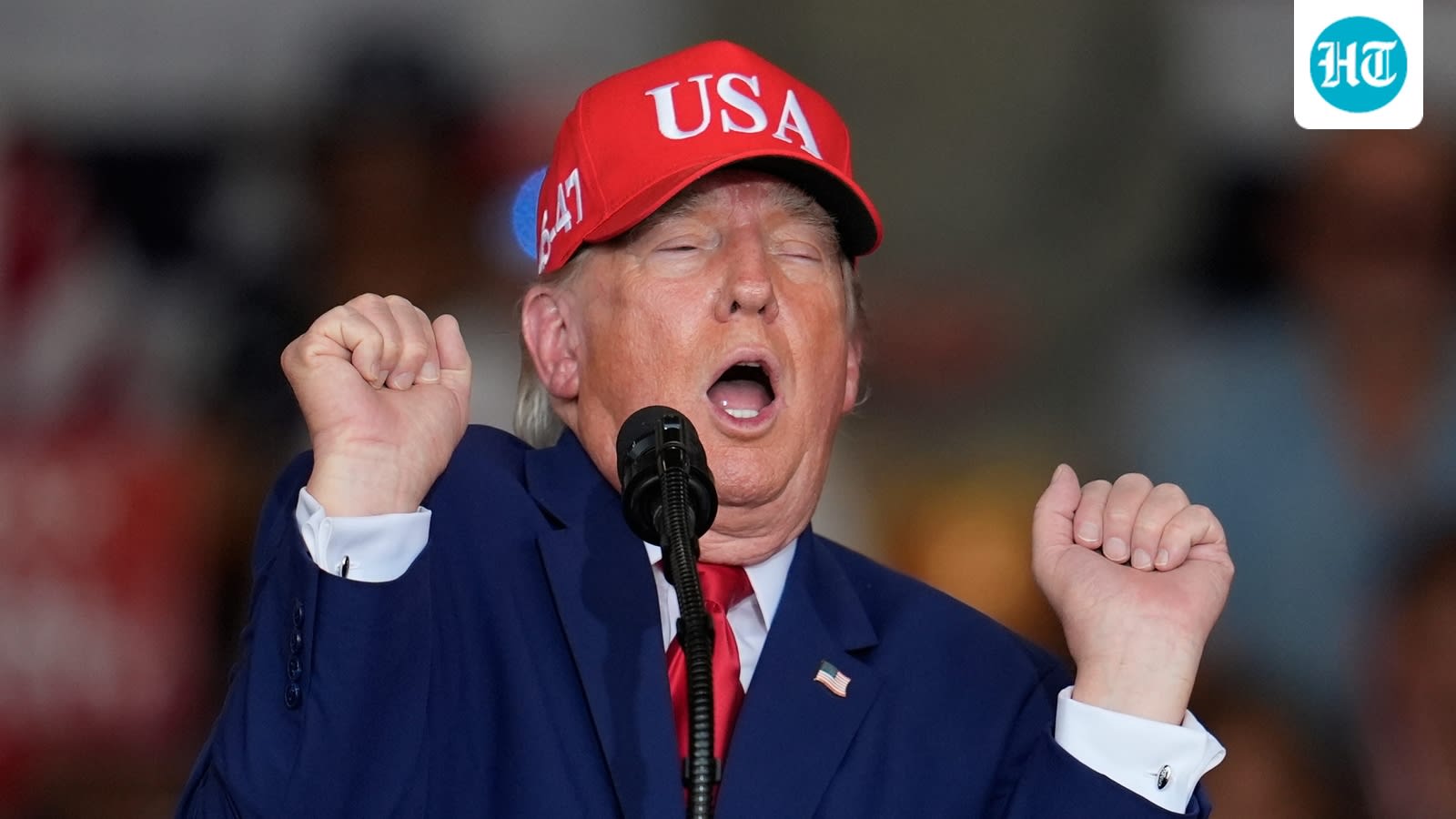
During a campaign rally in Georgia, Donald Trump made disparaging remarks regarding the prevalence of the name 'Mohammad' in the Middle East. The comments have drawn attention to the intersection of political rhetoric and cultural sensitivity regarding Islamic traditions.
Rhetorical Strategies and Cultural Sensitivity in Political Discourse
During a campaign rally held at the Dalton Municipal Airport in Georgia, former U.S. President Donald Trump engaged in commentary regarding the Middle East, specifically targeting the prevalence of the name 'Mohammad.' By suggesting that individuals could safely guess the name of anyone from the region by using this moniker, Trump utilized a common rhetorical device that leans on generalizations to appeal to his audience. This moment highlights the ongoing tension between populist political communication and the necessity for cultural nuance in international relations.
Historical and Cultural Significance of the Name
To understand the gravity of the reaction to these comments, one must recognize the profound cultural and religious significance of the name 'Mohammad.' As the name of the founder of Islam, it is held in high esteem across the Muslim world. Parents frequently bestow this name upon their sons as a mark of respect and devotion to the Prophet. Consequently, treating the name as a punchline or a probability-based guess in a political speech can be perceived by many as a trivialization of a deeply personal and sacred tradition.
The Impact of Populist Rhetoric
Trump’s assertion that he had utilized this approach for years without error serves as a case study in how populist leaders leverage anecdotal 'truth' to build rapport with supporters. By framing his interaction with Middle Eastern identities through a simplified, singular lens, the speaker reinforces a specific worldview that prioritizes ease of categorization over individual identity. Such rhetoric often bypasses the complexities of the diverse cultures within the Middle East, reducing them to caricatures that resonate with a specific domestic political base.
Broader Implications for Global Diplomacy
Political rhetoric delivered on the campaign trail rarely stays within the domestic sphere. In the context of U.S.-Iran relations, such comments carry significant weight. When a political figure mocks the leadership or cultural traits of a nation, it can complicate diplomatic efforts and exacerbate existing tensions. The international community often interprets these remarks as signals of the speaker’s stance toward the broader Muslim world, potentially alienating allies and providing fuel for adversarial narratives.
The Intersection of Islamophobia and Public Discourse
Critics of the former President have frequently pointed to such instances as evidence of rising Islamophobia within American political discourse. By highlighting the name 'Mohammad' in a mocking tone, the rhetoric risks normalizing derogatory stereotypes. This normalization can have real-world consequences, contributing to a climate where prejudice becomes a standard feature of political debate rather than an outlier. The incident serves as a poignant reminder of how language shapes public perception and the subsequent responsibility held by those in positions of power.
Conclusion: The Responsibility of Political Leaders
Ultimately, the incident in Georgia underscores the delicate balance required in political communication. While rallies are often venues for unscripted, informal remarks, they also serve as platforms that project values and attitudes to a global audience. The focus on the name 'Mohammad' highlights the necessity for a more informed and respectful approach to discussing international identities, ensuring that political discourse does not inadvertently marginalize communities or deepen global divides.
Verification Required?