YouTuber Dhruv Rathee Faces Bailable Warrants In 2018 Defamation Case
Source Entity
NDTV News Search Records Found 1000
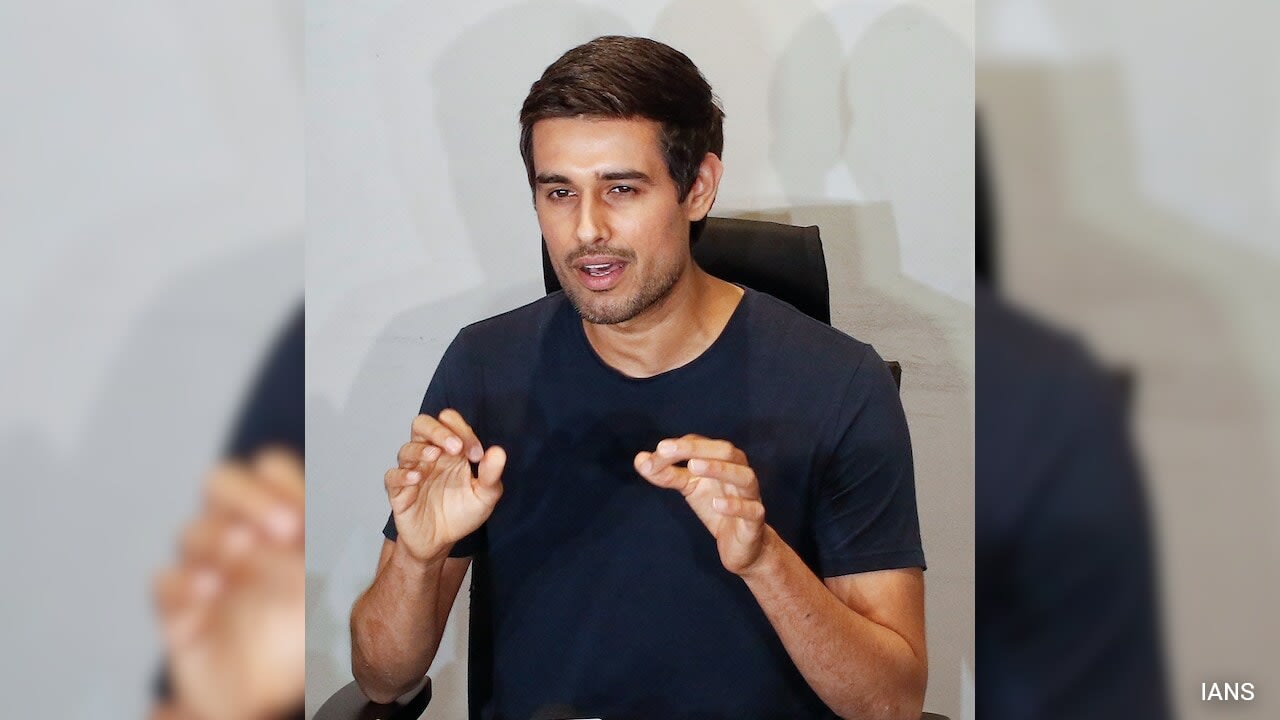
YouTuber Dhruv Rathee faces bailable warrants in a 2018 defamation case, while a Bengaluru court has simultaneously ordered the removal of defamatory videos targeting former CM Siddaramaiah. These legal actions highlight the increasing judicial scrutiny of digital content and the enforcement of defamation laws against online platforms.
Legal Scrutiny Intensifies: Digital Content and Defamation in India
Recent judicial actions have underscored the rising tension between digital content creation and the legal frameworks governing defamation in India. YouTuber Dhruv Rathee has been issued bailable warrants in relation to a 2018 defamation case concerning his commentary on the BJP IT cell. Simultaneously, a Bengaluru civil court has taken decisive action to curb the spread of alleged defamatory material against former Chief Minister Siddaramaiah, marking a significant moment for accountability in the digital age.
The Case Against Dhruv Rathee
The issuance of bailable warrants against Dhruv Rathee stems from a multi-year legal battle initiated in 2018. The case, which revolves around allegations of defamation linked to a video targeting the BJP IT cell, highlights the long-term legal exposure that digital creators face when producing content that critiques political organizations. With the court scheduling further proceedings for October 31, the case serves as a reminder that online speech is subject to the same defamation statutes as traditional media, regardless of the time elapsed since the initial publication.
Judicial Intervention in Bengaluru
In a parallel development, the 19th Additional City Civil and Sessions Court in Bengaluru, presided over by Judge B. Pushpanjali, has issued an ad-interim ex-parte temporary injunction. This order specifically targets two private YouTube channels for disseminating allegedly defamatory remarks against former CM Siddaramaiah. The court’s reach is extensive, encompassing 42 media entities, including major digital platforms such as Google, Facebook, and Yahoo, effectively mandating the removal of the impugned content from the public domain.
Broader Implications for Digital Platforms
The Bengaluru court's directive to "forthwith disable access to and block" the specified videos reflects a shift toward stricter platform liability. By compelling tech giants like Google and Facebook to enforce the injunction, the judiciary is asserting that digital intermediaries must play an active role in preventing the proliferation of content deemed defamatory by the courts. This sets a precedent for how digital platforms may be required to handle court-ordered takedowns in the future.
Historical Context and Legal Trends
Historically, defamation cases in India have often moved slowly, but the rise of YouTube and social media has prompted a more aggressive use of interim injunctions. Politicians and public figures are increasingly turning to civil courts to secure ex-parte orders to mitigate reputational damage before a final verdict is reached. This trend suggests that the legal landscape for Indian content creators is becoming increasingly restrictive, requiring a more cautious approach to political commentary and investigative reporting.
Future Outlook for Online Discourse
Looking ahead, the intersection of digital media and the Indian judiciary is likely to become more complex. As creators face mounting legal pressures, platforms may adopt more robust automated moderation tools to comply with court directives. The outcome of the upcoming October 31 proceedings for Dhruv Rathee and the enforcement of the Bengaluru injunction will likely serve as benchmarks for how creators and platforms navigate the delicate balance between free speech and the protection of individual reputation in the digital sphere.
Verification Required?