Stalin challenges Rahul's SIR credit claim with Bihar, Soren reminder
Source Entity
PALLAVI
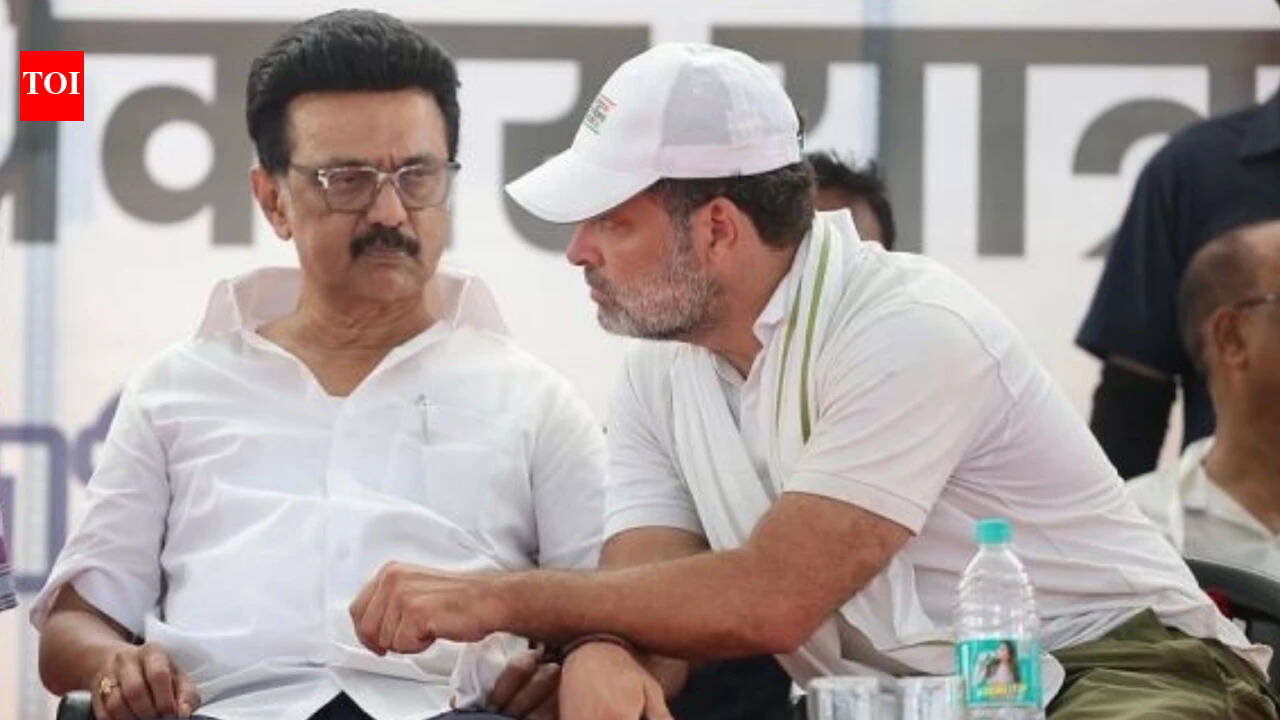
The DMK has formally demanded the removal of Chief Election Commissioner Gyanesh Kumar, citing grievances over the Special Intensive Revision of electoral rolls. The party is also actively supporting student-led protests while criticizing the Congress for its inconsistent stance on the issue.
DMK Escalates Confrontation with Election Commission
The Dravida Munnetra Kazhagam (DMK) has intensified its political offensive against the Election Commission of India (ECI), specifically targeting Chief Election Commissioner (CEC) Gyanesh Kumar. During a recent parliamentary party meeting in Chennai, the party adopted a formal resolution demanding Kumar's immediate removal and a thorough investigation into his conduct regarding the Special Intensive Revision (SIR) of electoral rolls. This move signifies a major escalation in the ongoing friction between the regional powerhouse and the constitutional body overseeing national elections.
The Controversy Over Electoral Roll Revisions
At the heart of the conflict is the Special Intensive Revision (SIR) process, which the DMK contends is procedurally flawed and potentially detrimental to the democratic process. The party claims to have identified irregularities in this revision process, asserting that they have been vocal in their opposition since as early as the Bihar elections. By demanding the withdrawal of the SIR, the DMK is positioning itself as a primary defender of electoral integrity, arguing that the current methodologies employed by the ECI under CEC Kumar lack transparency.
Solidarity with Student Protests
Beyond institutional demands, the DMK has strategically aligned itself with grassroots movements, specifically pledging support for students protesting against the SIR. The party has explicitly condemned the police crackdown on demonstrators at Jantar Mantar, framing the state’s response as an infringement on the rights of the youth to engage in peaceful dissent. This move serves to broaden the base of the protest, linking institutional political grievances with public demonstrations against the ECI’s administrative decisions.
Friction Within the Opposition Bloc
Interestingly, the DMK’s parliamentary meeting also highlighted growing tensions within the broader opposition landscape. Chief Minister MK Stalin has challenged the Congress party’s attempts to claim credit for the anti-SIR movement, citing his party's historical record of opposing these revisions long before others joined the fray. By pointing to the silence of certain local leaders and questioning the overall credibility of the Congress on this specific issue, the DMK is asserting its independence and leadership within the opposition, even when working within a coalition framework.
Broader Implications for Indian Democracy
This confrontation underscores the deepening distrust between key political stakeholders and the Election Commission. When a major regional party demands the ouster of a CEC, it signals a breakdown in the conventional consensus regarding the neutrality of election administrators. The demand for an investigation into the CEC’s role is a significant development that could lead to heightened scrutiny of the ECI’s administrative functions. As this situation unfolds, the focus will likely shift to how the ECI responds to these allegations and whether the DMK can sustain its pressure on the federal government to address these concerns before upcoming electoral cycles.