5 midterm money takeaways: Democrats have candidate cash. Republicans have Elon Musk
Source Entity
US Top News and Analysis
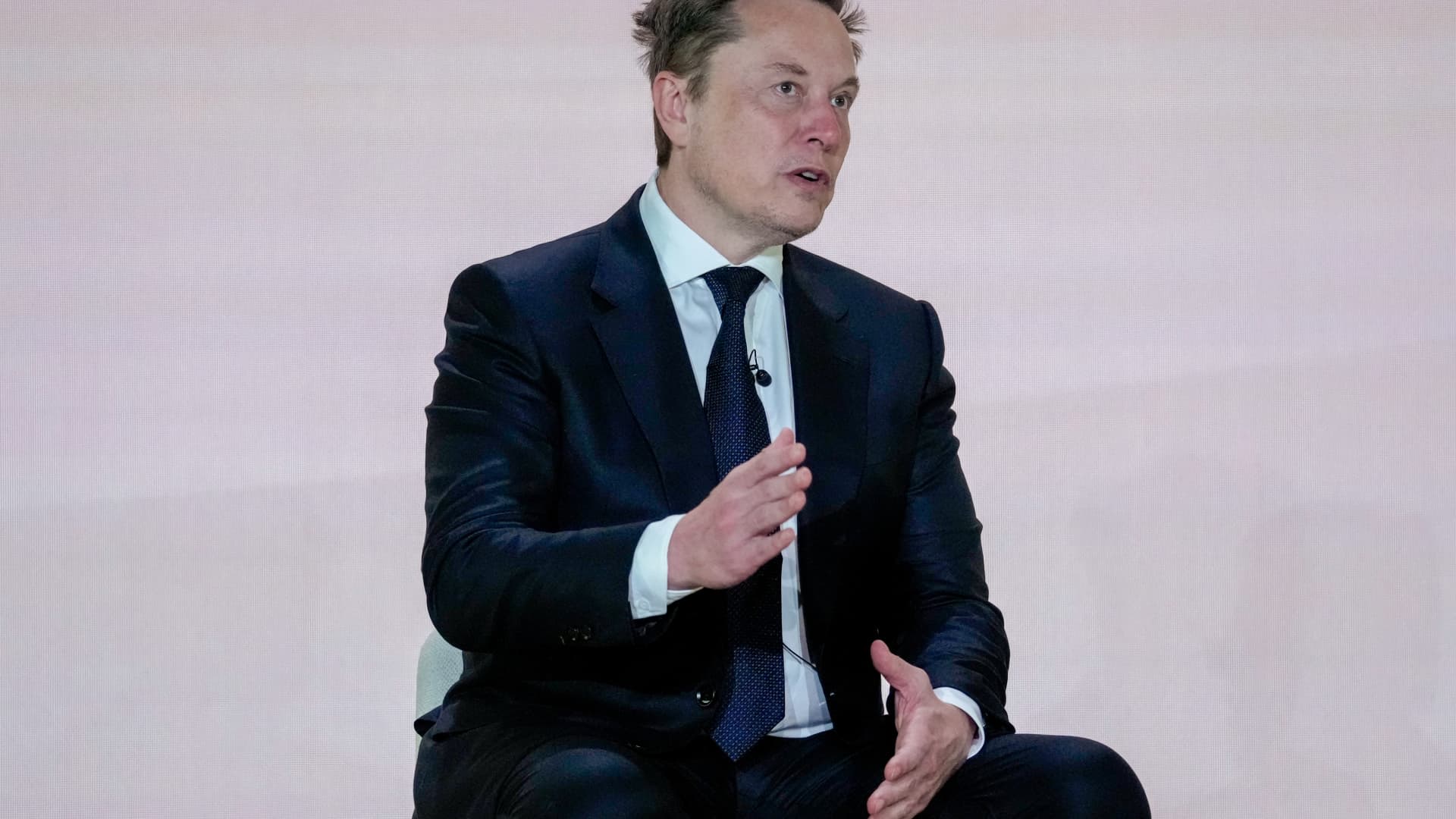
Democratic candidates currently lead in direct campaign fundraising across key congressional battlegrounds. Meanwhile, Republican efforts are bolstered by significant outside spending from billionaires like Elon Musk.
The Financial Divide: A Tale of Two Campaign Strategies
The landscape of the upcoming November 3 elections reveals a striking divergence in how the two major parties are financing their bids for congressional control. While Democratic candidates have demonstrated a robust capacity for small-dollar and institutional fundraising, effectively turning their campaigns into "cash cows," Republican strategy has shifted toward reliance on high-dollar outside entities. This bifurcation reflects a broader trend in American politics where the traditional campaign finance model is being challenged by the immense influence of individual billionaire donors.
The Democratic Advantage in Direct Fundraising
Democratic candidates in key Senate and House races are currently outpacing their Republican counterparts in direct donations. This influx of capital allows these campaigns to maintain direct control over their messaging, staffing, and on-the-ground operations, such as the early voting efforts observed in places like Polk County, Iowa. By maintaining a lead in direct fundraising, Democrats ensure that their candidates remain the primary architects of their own political narratives, rather than relying on the priorities of outside organizations.
The Rise of Super PACs and the Musk Factor
Conversely, the Republican apparatus is increasingly sustained by an unprecedented flood of capital from outside super PACs. Central to this strategy is the financial involvement of high-profile figures such as Elon Musk. By backing candidates like Ken Paxton in Texas and aligning with groups supportive of Donald Trump, these billionaires are exerting significant influence over the GOP's electoral fortunes. This shift highlights how outside money can effectively insulate a party from the traditional fundraising struggles that might otherwise plague a campaign lacking broad-based donor support.
Strategic Implications for the November Election
As the final snapshots of campaign finance are analyzed before Election Day, the implications are clear: the election will be decided not just by voter turnout, but by which financial model proves more efficient. While Democratic cash flows suggest a high level of grassroots engagement, the Republican strategy of concentrated billionaire investment tests whether massive, centralized spending can overcome a deficit in direct candidate funding. This tension between "candidate cash" and "super PAC power" represents a critical juncture in the evolution of modern campaign finance.
Historical Context and Future Trends
Historically, the influence of outside spending has grown steadily since the landmark legal shifts in campaign finance regulations. The current dynamic, characterized by a "tiny circle of billionaires" directing the flow of capital, suggests a future where electoral outcomes are increasingly susceptible to the concentrated wealth of the technology and private sector elite. If this trend continues, we may see a permanent move away from traditional party-led fundraising toward a system defined by the individual agendas of ultra-wealthy donors.
Conclusion: A High-Stakes Financial Balancing Act
Ultimately, the 2026 midterm cycle serves as a case study in the power of diversified versus concentrated financial support. Whether the Democratic advantage in candidate-specific fundraising can withstand the sheer volume of outside GOP spending remains the central question of the cycle. As voters head to the polls, the financial disparities highlighted in these latest reports will likely influence the intensity of campaign advertising and the scope of voter mobilization efforts across the nation.