Yogi Adityanath says power comes from people’s mandate, not anarchy
Source Entity
Latest News: Todays Latest News Headlines from India & World | Hindustan Times | Hindustan Times
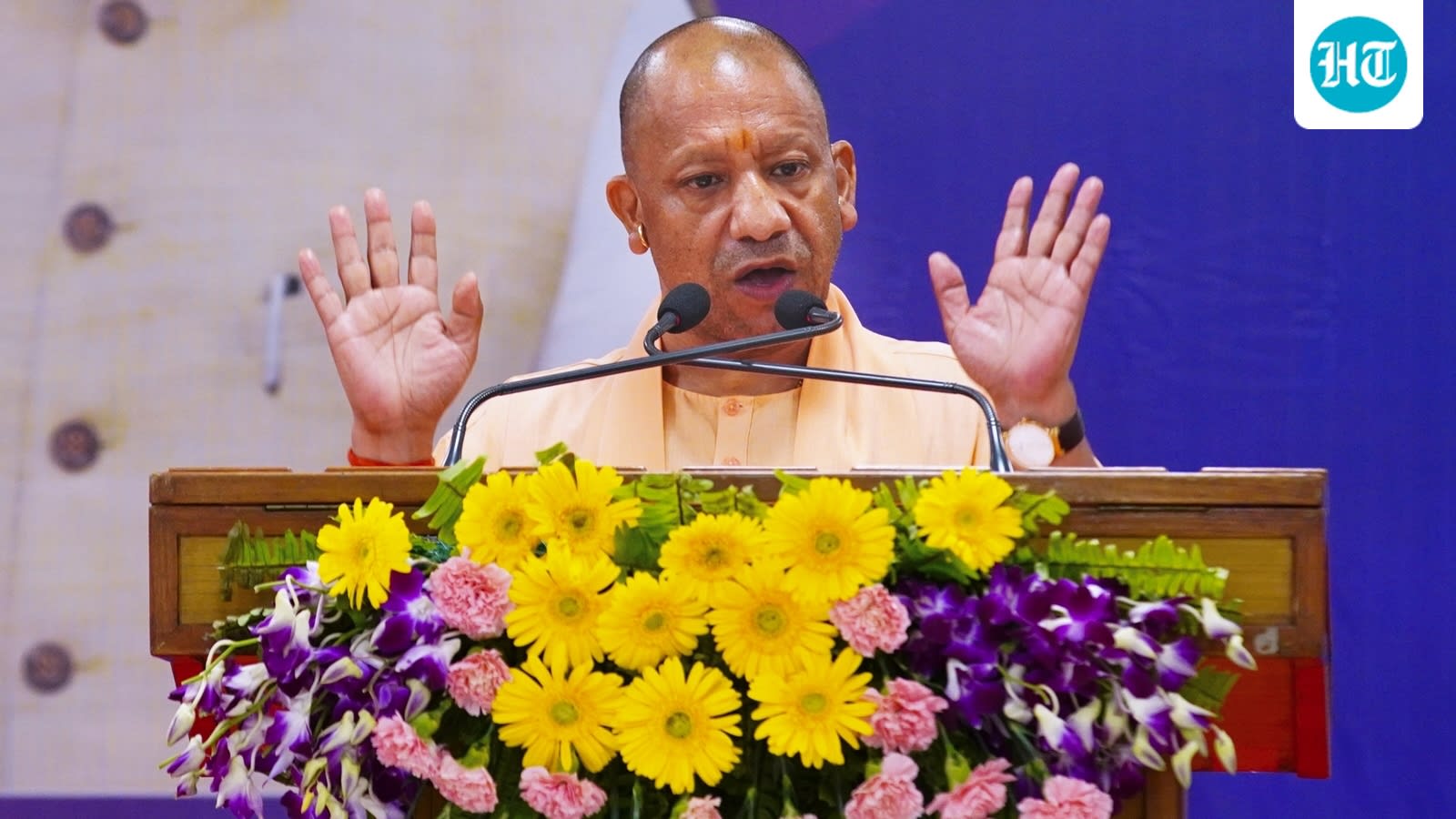
Uttar Pradesh CM Yogi Adityanath has warned against attempts to incite anarchy, contrasting the democratic mandate with recent regional instability. He further criticized the previous Samajwadi Party administration for systemic corruption and failure to support the state's education sector.
Assessing the Political Rhetoric of CM Yogi Adityanath
The Mandate vs. Anarchy Debate
Uttar Pradesh Chief Minister Yogi Adityanath has recently articulated a stern defense of the democratic process, explicitly warning against political forces he believes are attempting to foster instability. By drawing a direct comparison to recent events in Bangladesh, Adityanath is framing the current political climate in India as a struggle between established constitutional mandates and manufactured unrest. He argues that the legitimacy of governance in India is derived solely from the ballot box, and any attempt to circumvent this through agitation or civil disorder constitutes a threat to the nation's democratic foundation.
Concerns Over Youth Mobilization
Central to the Chief Minister’s critique is the alleged exploitation of India’s youth. Adityanath has accused unnamed political actors of weaponizing young citizens to create chaos under the guise of advocating for justice or electoral reform. This rhetoric suggests a belief that these movements are not grassroots expressions of civic desire but rather calculated efforts to undermine the stability of the state. By positioning these actions as distractions from the broader goal of nation-building, the administration seeks to delegitimize opposition narratives and solidify its own governing authority.
Historical Critique of Previous Administrations
Beyond contemporary concerns, Adityanath has intensified his focus on the legacy of previous governments, specifically the Samajwadi Party. During meetings with teachers and graduates in the lead-up to the legislative council polls, he characterized the past regimes as lacking both niti (policy) and niyat (intention). This narrative is a cornerstone of his political strategy, aiming to contrast his own administrative focus on development and law enforcement with a period he describes as being under the influence of mafia elements.
The Impact on Public Institutions
Adityanath’s discourse extends to the integrity of state institutions, particularly the education sector. He alleges that previous governments allowed the mafia to infiltrate and control key organizations, leading to the appointment of ineligible individuals to recruitment commissions. By emphasizing these claims, the current administration seeks to justify its ongoing efforts to restructure state hiring and governance, framing these changes as essential corrections to a system he claims was historically compromised.
Implications for Legislative Council Polls
With legislative council elections scheduled for October 23, these statements serve a dual purpose: they act as a rallying cry for his electoral base and a warning to political rivals. By framing the election as a choice between orderly progress and the return of a 'mafia-controlled' past, the Chief Minister is attempting to mobilize voters around themes of stability and institutional reform. The outcome of these polls will likely be viewed as a referendum on his administration's success in curbing the influence of the groups he frequently criticizes.
Future Trends in UP Politics
Looking ahead, it is clear that the discourse surrounding 'law and order' and the 'people’s mandate' will continue to dominate the political landscape in Uttar Pradesh. As the state moves toward future electoral cycles, the tension between the current administration’s focus on structural reform and the opposition’s push for systemic change will likely intensify. The reliance on this binary narrative suggests that the government will continue to prioritize its platform of security and institutional integrity as the primary indicator of its political efficacy.
Verification Required?