Trump says Netanyahu won't be arrested in New York, pushing back on Mamdani
Source Entity
US Top News and Analysis
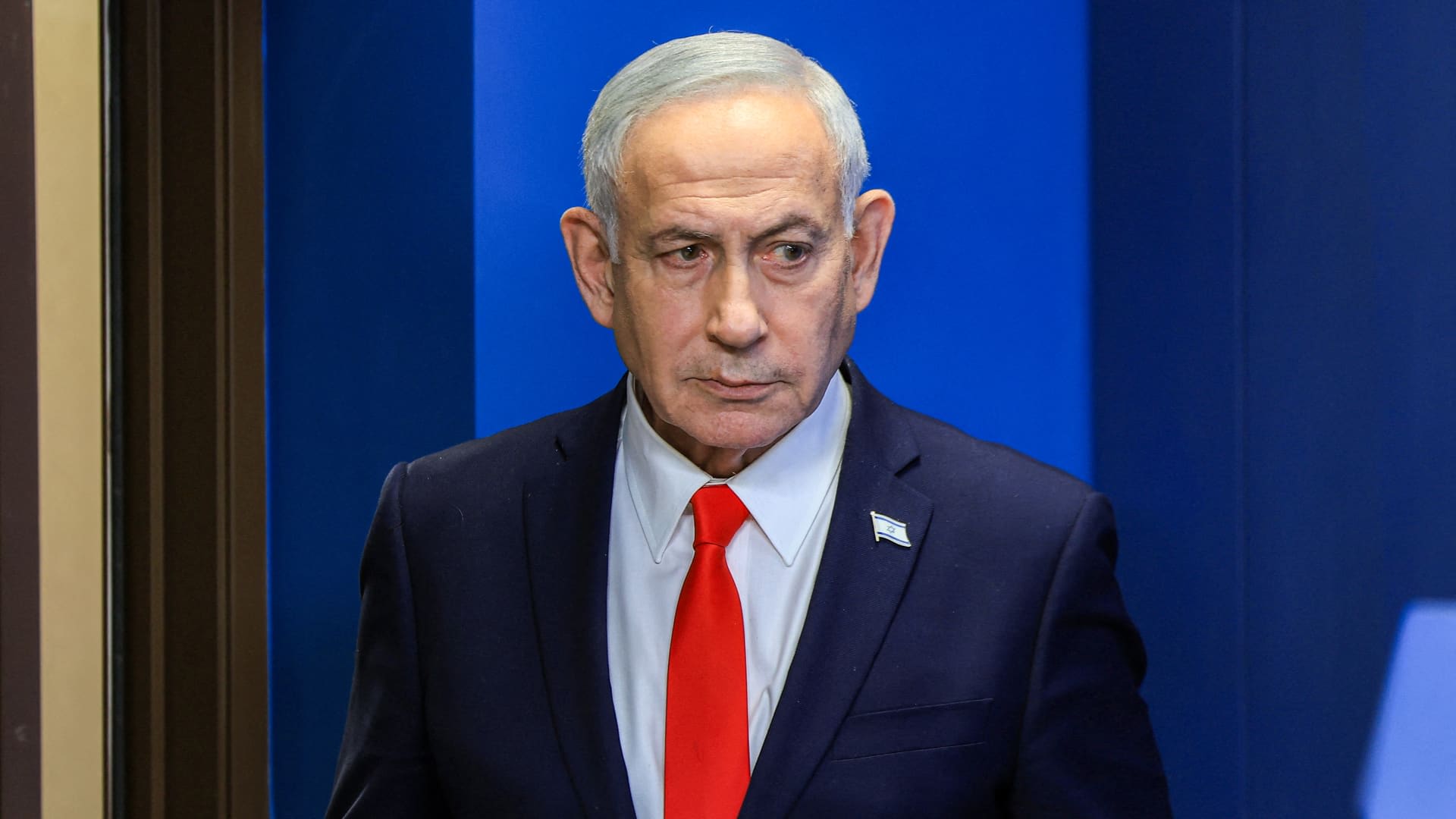
President Trump has dismissed suggestions by Mayor Zohran Mamdani that Israeli PM Benjamin Netanyahu could face arrest in New York. The dispute centers on the ICC's warrant for Netanyahu regarding the conflict in Gaza.
The Diplomatic Clash Over International Law
The recent discourse surrounding the potential visit of Israeli Prime Minister Benjamin Netanyahu to New York has ignited a significant debate over the intersection of international legal mandates and domestic political authority. At the heart of this tension is the arrest warrant issued by the International Criminal Court (ICC) against Netanyahu, which pertains to his administration's conduct during the ongoing war in Gaza. This legal action has created a complex diplomatic environment for U.S. officials, who are now navigating the friction between international judicial bodies and the sovereign immunity typically afforded to visiting heads of state.
The Stance of Local Leadership
Mayor Zohran Mamdani has taken a starkly critical position, characterizing the Prime Minister as a "war criminal" and explicitly stating his belief that Netanyahu belongs in The Hague. Mamdani’s public rhetoric, shared during a podcast interview with The New York Times, has moved beyond mere condemnation to include administrative action. Reports indicate that the mayor has tasked New York City’s legal department with exploring the feasibility of an arrest should Netanyahu arrive for the United Nations General Assembly. This push reflects a growing segment of political discourse that seeks to align municipal actions with the findings of international legal institutions.
Trump’s Federal Intervention
President Donald Trump has provided a definitive rebuttal to these local efforts, asserting that Netanyahu will not be subject to arrest upon his arrival in New York. By framing the situation as a matter of federal prerogative, Trump is effectively signaling that the ICC’s warrants do not override the diplomatic protocols and protections established by the United States government. This intervention highlights the fundamental conflict between those who advocate for the enforcement of international humanitarian law and those who prioritize traditional diplomatic immunity and established state-to-state relations.
Implications of Jurisdictional Conflict
This incident underscores the broader challenges of applying international law within a federalist system. While local leaders may feel compelled to act based on their interpretation of global justice, the practical execution of such arrests is complicated by the supremacy of federal law regarding foreign policy and international visits. The case of Benjamin Netanyahu serves as a high-stakes test for how the United States will handle international warrants moving forward, particularly when they conflict with the political preferences of local administrations.
Historical and Future Context
The debate over the ICC’s reach within the United States is not new, but the current escalation represents a unique moment where municipal officials are actively exploring the limits of their legal authority. Historically, the U.S. has maintained a complex relationship with the ICC, often resisting its jurisdiction over American citizens and allies. As global scrutiny of the conflict in Gaza continues, the pressure on political figures to take symbolic or practical stances will likely increase, potentially leading to further friction between local political movements and national foreign policy objectives.