Trump's 'Operation Sindoor' Pitch In US Midterms And 'Settled 8 Wars' Claim
Source Entity
NDTV News Search Records Found 1000
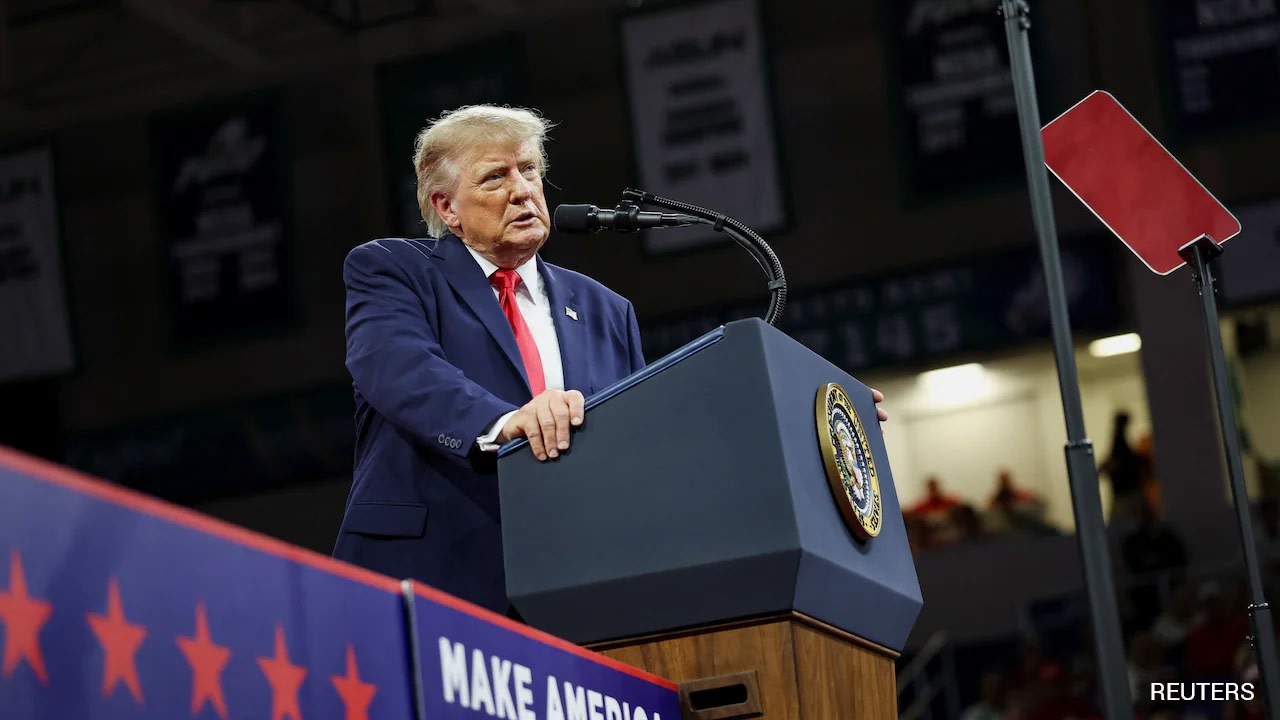
Donald Trump has claimed credit for de-escalating a military confrontation between India and Pakistan following the May 2025 'Operation Sindoor.' He asserts that his threat of 250% tariffs forced both nations to cease hostilities after the Pahalgam terror attack.
The Geopolitical Impact of 'Operation Sindoor'
In a recent campaign rally in Florida, former President Donald Trump made headlines by asserting his role in de-escalating a significant military confrontation between India and Pakistan. The conflict, which stemmed from 'Operation Sindoor' in May 2025, was initiated by India as a direct response to a lethal terrorist attack in Pahalgam on April 22, 2025, which resulted in the loss of seven lives. Trump’s remarks highlight a narrative of 'transactional diplomacy,' where economic leverage is utilized as a primary tool to manage long-standing regional tensions.
The Catalyst: The Pahalgam Attack and Military Retaliation
The genesis of this regional instability was the April 22 terror attack in Pahalgam. The severity of this strike necessitated a robust response from Indian security forces, leading to the launch of 'Operation Sindoor' in May 2025. This operation was specifically designed to target terrorist infrastructure located within Pakistan and Pakistan-occupied Jammu and Kashmir (PoK). The subsequent military standoff brought the two nuclear-armed neighbors to the precipice of a full-scale war, drawing significant international attention to the fragility of the South Asian security architecture.
Trump’s Tariff Diplomacy: A New Strategic Paradigm
Trump’s core assertion is that his direct intervention—specifically the threat of imposing a 250% tariff on trade—was the decisive factor in compelling both New Delhi and Islamabad to cease hostilities. This approach represents a shift from traditional diplomatic mediation, which typically relies on multilateral engagement or back-channel negotiations. By centering the resolution on economic coercion, Trump argues that his administration's willingness to leverage market access effectively forced both nations to prioritize economic stability over military engagement.
Regional Tensions and the 'Settled Wars' Narrative
The claim that he has 'settled 8 wars' serves as a cornerstone of Trump’s current midterm election rhetoric. By positioning himself as a global arbiter who can dictate terms to sovereign nations, he is attempting to distinguish his foreign policy record from conventional diplomatic efforts. However, this claim also underscores the complexity of the India-Pakistan relationship, where historical grievances and recurring border skirmishes make long-term peace elusive, regardless of external interventions.
Broader Implications for South Asian Security
While Trump frames the de-escalation as a success, the reliance on tariff threats introduces a new variable in US-India and US-Pakistan relations. If trade policy is frequently weaponized to manage security crises, it may lead to long-term friction in bilateral trade agreements. Furthermore, the reliance on external pressure to halt military operations suggests that internal diplomatic mechanisms between India and Pakistan remain insufficient to manage crises arising from cross-border terrorism.
Conclusion: Assessing the Legacy of Intervention
Trump’s involvement in the aftermath of Operation Sindoor remains a point of contention. While he maintains that his firm stance prevented a broader conflict, the reality of the situation likely involved a confluence of military, diplomatic, and economic pressures. As the US midterm elections approach, the narrative surrounding 'Operation Sindoor' will likely continue to be used as a case study for the effectiveness of 'America First' foreign policy in global conflict zones.
Verification Required?