Opinion: Opinion | A Wounded Trump Could Soon Make The World Pay For His Defeat
Source Entity
NDTV News Search Records Found 1000
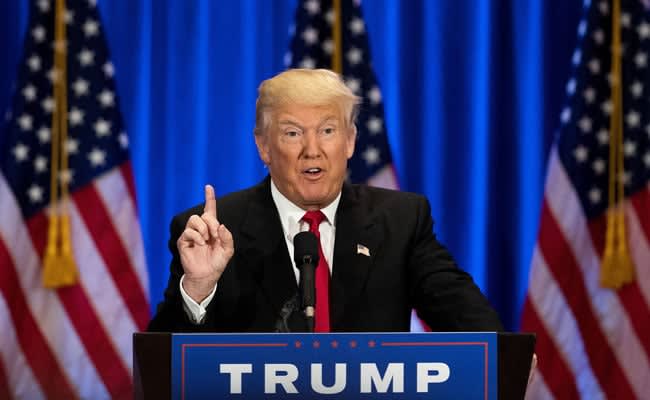
The recent opinion piece highlights concerns regarding former President Donald Trump's potential actions following a political defeat. It suggests that his efforts to redeem his image could have significant implications for both U.S. and global stability.
The Geopolitical Implications of a Post-Defeat Trump
The Psychology of Political Redemption
The recent discourse surrounding former President Donald Trump suggests a growing apprehension regarding his potential reactions to electoral defeat. When a political figure of Trump's magnitude faces a significant setback, the drive for 'redemption' often manifests in unconventional or disruptive behavior. This phenomenon is not unique to the American political landscape, but in the context of the U.S. presidency, the scale of potential impact is amplified globally.
Domestic Instability and Rhetorical Shifts
Historically, defeated leaders often lean into populist narratives to maintain relevance among their base. By framing a defeat as an injustice, a leader can consolidate support and challenge the legitimacy of the succeeding administration. This strategy, while politically effective for internal mobilization, creates a volatile domestic environment that can paralyze legislative progress and polarize the electorate, leading to long-term social instability.
Global Repercussions of U.S. Policy
The United States remains the central pillar of the current international order. Any shift in its internal political equilibrium—especially one driven by a leader seeking to reclaim lost power—inevitably spills over into foreign policy. Whether through the questioning of traditional alliances, the threat of withdrawing from international agreements, or the sudden imposition of trade barriers, the 'wounded' leader may seek to leverage global instability as a tool to underscore the necessity of their own return to power.
Historical Precedents and Future Risks
Looking at historical patterns of leaders in transition, the period immediately following a loss is often the most dangerous for geopolitical stability. If a leader feels their legacy is under siege, they may act with a sense of urgency that overrides standard diplomatic protocols. Predicting future trends, we may see an increase in aggressive rhetoric aimed at international institutions, which could further weaken global cooperation on critical issues like climate change, security, and economic recovery.
A Call for Vigilance
The current commentary serves as a warning for policymakers and global leaders to prepare for a period of unpredictability. As the international community watches these developments, the focus must remain on maintaining institutional resilience. The core concern is not merely the defeat itself, but the reactive measures that may be deployed to undermine the democratic process and challenge the status quo, both within the United States and abroad.
Verification Required?