'It will end pretty soon': Trump hints at sooner resolution to US-Iran war
Source Entity
VIJAYA SRIVASTAVA
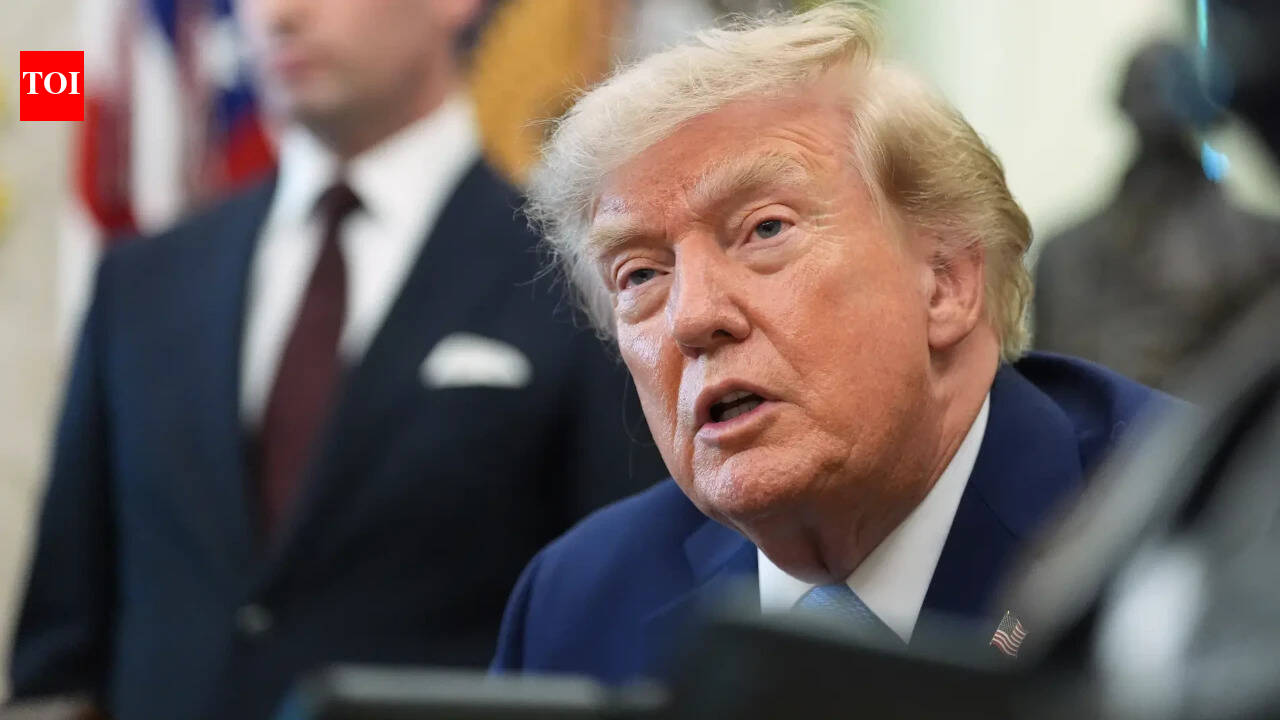
President Donald Trump has expressed confidence that the conflict with Iran will conclude shortly, citing Tehran's limited sustainability. While the U.S. continues to pressure Iran regarding its nuclear ambitions and the Strait of Hormuz, Iranian officials maintain a defensive posture.
The Impending Resolution: Analyzing Trump's Stance on Iran
President Donald Trump recently stated from the Oval Office that he believes the ongoing conflict with Iran is approaching a definitive conclusion. His assessment is rooted in the belief that the Iranian state lacks the economic and logistical resilience to sustain a prolonged engagement against the United States. This declaration signals a pivotal moment in U.S.-Iran relations, shifting the narrative toward a potential de-escalation of hostilities.
Strategic Objectives and Nuclear Non-Proliferation
At the core of the administration's policy is the firm, non-negotiable stance that Iran must not be permitted to develop nuclear weapons. This objective remains the primary driver of U.S. foreign policy in the region. By asserting that the conflict is nearing an end, the President is emphasizing that the current pressure campaign is effectively limiting Iran's strategic options, thereby forcing a recalculation in Tehran regarding their nuclear ambitions.
The Geopolitics of the Strait of Hormuz
Beyond nuclear concerns, the Strait of Hormuz represents a critical chokepoint for global oil supplies and maritime security. President Trump has expressed optimism regarding ongoing negotiations surrounding this vital waterway. These discussions are essential, as any disruption in the Strait would have immediate global economic repercussions, making a diplomatic resolution here a top priority for international stability.
Iran's Defensive Posture and Domestic Rhetoric
Despite the President's optimism, the situation remains fluid. Iranian officials, including the defense minister and the speaker of the parliament, have countered these claims by emphasizing that their military remains on high alert. This rhetoric highlights a fundamental disconnect: while the U.S. views the situation through the lens of economic and strategic exhaustion, Iranian leadership continues to frame their stance as a defensive necessity against foreign threats.
Broader Implications and Future Trends
If the conflict does indeed wind down as the President suggests, the future of U.S.-Iran relations will likely depend on the success of these ongoing negotiations. A resolution would require a delicate balance between maintaining sanctions pressure and establishing a framework that prevents nuclear proliferation while ensuring maritime security. The world now watches to see if these diplomatic efforts can translate the current military stalemate into a sustainable long-term peace agreement.