'They’re a failing nation': Trump says fresh strikes on Iran 'highly unlikely'
Source Entity
Latest News: Todays Latest News Headlines from India & World | Hindustan Times
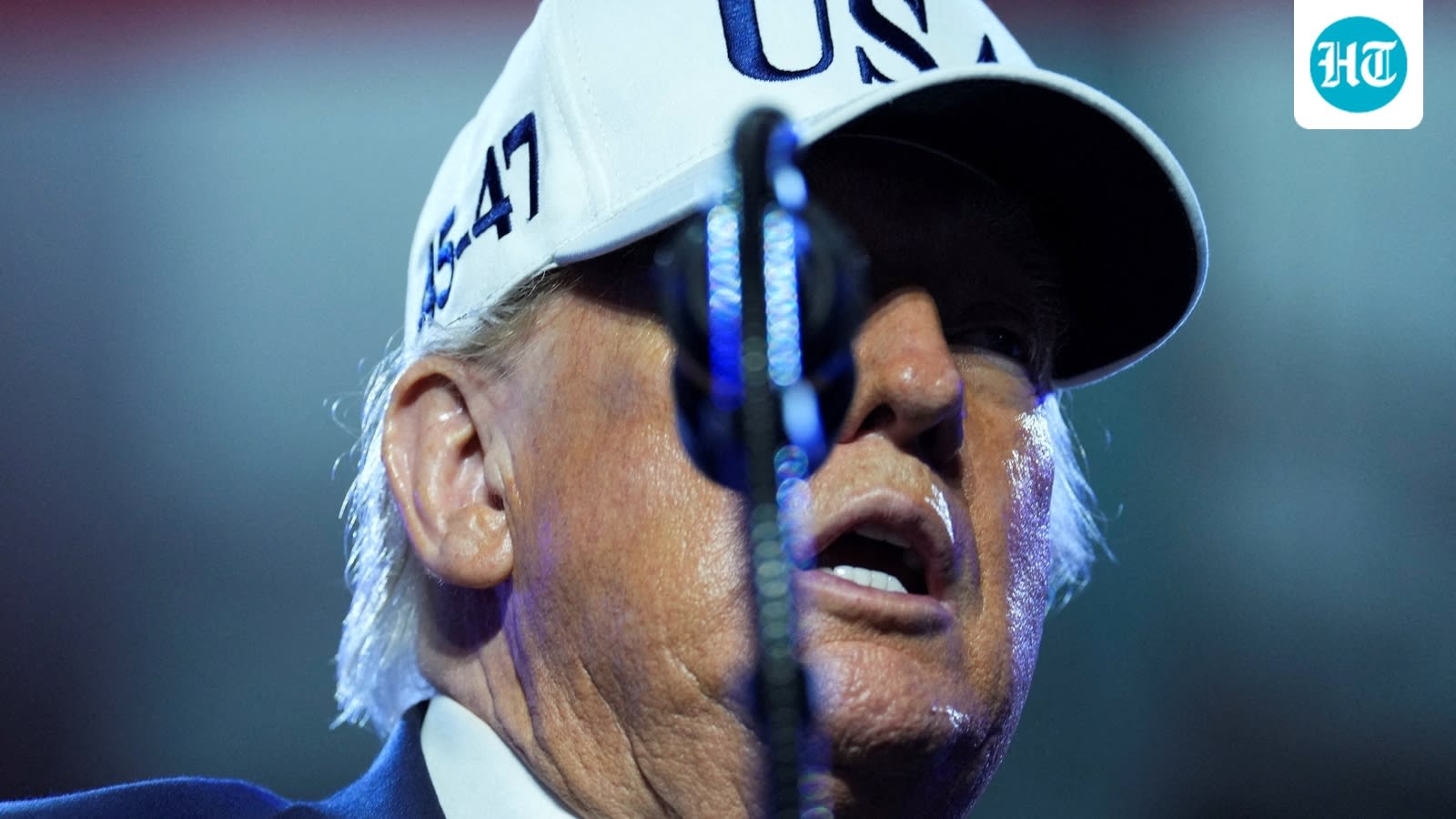
President Trump has indicated that further U.S. military strikes against Iran are unlikely, provided that ongoing peace negotiations regarding Tehran's nuclear program progress. The potential for peace remains contingent upon Iran meeting specific conditions and the successful finalization of a strong agreement.
The Shifting Landscape of U.S.-Iran Relations
Recent statements from President Donald Trump have signaled a potential de-escalation in the prolonged conflict between the United States and Iran. In a recent interview, President Trump indicated that further military strikes against Iran are "highly unlikely," contingent upon the productive progression of ongoing peace negotiations. This development follows reports that Tehran has submitted a formal nuclear proposal to the United States via Qatar, marking a significant, albeit preliminary, step toward diplomatic engagement.
The Role of Diplomacy and Nuclear Proposals
The current diplomatic climate is defined by a delicate balance of pressure and negotiation. Tehran’s recent submission of a nuclear agreement proposal is reportedly coupled with seven specific conditions that Iran insists must be met for a peace deal to materialize. President Trump’s assertion that future strikes will not be necessary is explicitly tied to the potential for a "very strong agreement." This suggests that the U.S. administration is utilizing the threat of force as leverage to ensure that any prospective deal addresses fundamental concerns regarding Iran’s nuclear ambitions.
Economic and Strategic Implications
The eight-month-old conflict has had profound global consequences, most notably in the form of heightened inflation and volatile oil prices. The strategic Strait of Hormuz remains a central friction point, with reports confirming that Iran continues to partially obstruct traffic through this vital maritime chokepoint. The stability of global energy markets is inextricably linked to the resolution of this conflict, as the Strait serves as a primary artery for oil transit. Consequently, the progress of these talks carries weight far beyond bilateral relations, impacting international economic stability.
Political Context and Future Trends
President Trump’s comments arrive in the wake of the U.S. midterm elections, where the Republican Party faced significant losses. While speculation previously existed that the administration might resume open conflict following the election cycle, the current rhetoric suggests a strategic pivot toward containment through diplomacy. This shift may reflect an awareness of the domestic and international costs of an extended war, which has already strained the global economy.
Conclusion and Outlook
Moving forward, the success of these negotiations remains uncertain. While the prospect of avoiding further military escalation is a positive development for global security, the path to a lasting peace is fraught with challenges. The requirement for a "very strong agreement" and the necessity for Iran to satisfy its seven conditions indicate that both parties remain cautious. Ultimately, the stability of the region will depend on whether this diplomatic window can translate into a tangible, enforceable framework that addresses nuclear proliferation and maritime security.
Multiple Citing Sources
Verification Required?