Trump rips Canada as wildfire smoke spreads, says U.S. will add pollution cost to tariffs
Source Entity
US Top News and Analysis
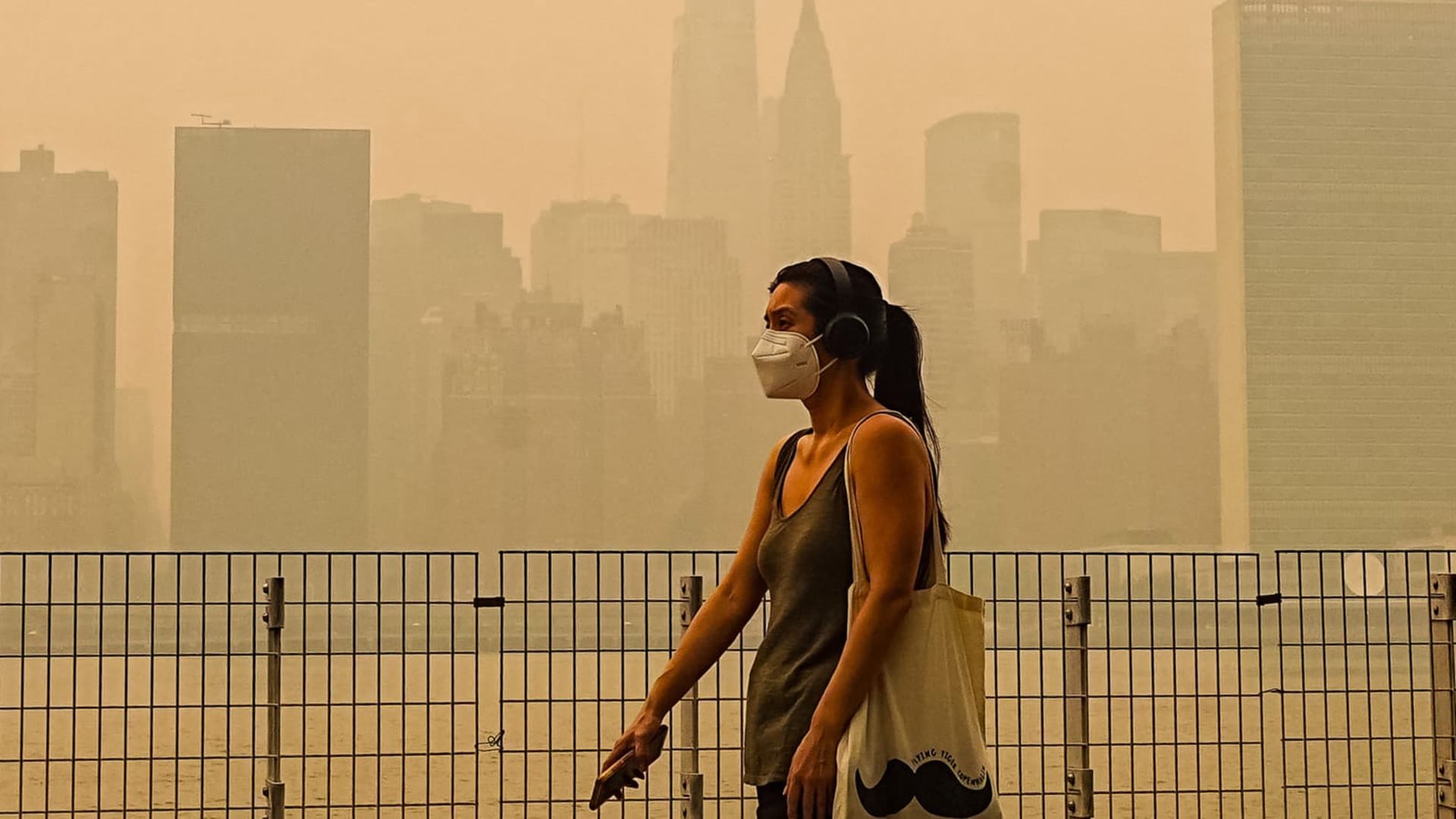
President Trump has threatened to increase tariffs on Canada, citing the economic and public health costs of wildfire smoke drifting into the U.S. This diplomatic friction occurs as poor air quality threatens major events like the upcoming World Cup final.
The Intersection of Environmental Crisis and Trade Policy
The recent surge in wildfire smoke emanating from Canada and blanketing major U.S. metropolitan areas, most notably New York City, has catalyzed a significant shift in North American diplomatic relations. On July 16, 2026, the skyline of New York was transformed into an orange, low-visibility haze, marking a severe escalation in air quality concerns. This environmental phenomenon has moved beyond a public health crisis, evolving rapidly into a point of intense geopolitical contention.
The Economic Argument for Tariff Adjustments
President Donald Trump has directly linked the environmental damage and associated public health expenditures to trade policy. By stating that the billions of dollars in costs inflicted upon the United States due to air pollution must be recouped through increased tariffs on Canadian goods, the President is introducing a novel framework for international accountability. This approach suggests that transboundary pollution should be treated as an economic liability rather than merely an environmental concern, signaling a potential shift toward integrating climate-related damages into trade negotiations.
Public Health and Major Events
Beyond the immediate economic threats, the wildfire smoke poses a direct challenge to the logistics of major international events. The concern regarding air quality at the upcoming World Cup final in New Jersey highlights the vulnerability of global sporting infrastructure to environmental instability. When air quality index levels reach dangerous thresholds, the viability of outdoor events becomes increasingly precarious, necessitating a re-evaluation of how host nations manage environmental risks that transcend borders.
Diplomatic Friction and Accountability
President Trump’s assertion that Ottawa is failing to adequately address the underlying causes of these wildfires has created a diplomatic rift. By labeling the situation as "totally unacceptable," the administration is exerting maximum pressure on Canadian authorities to overhaul their forest management and fire mitigation strategies. This rhetoric underscores a belief that the U.S. should not bear the financial burden of environmental mismanagement in neighboring territories, regardless of the geographic origin of the disaster.
Future Implications for U.S.-Canada Relations
This development suggests a future where environmental sovereignty is increasingly scrutinized under the lens of trade agreements. If the U.S. proceeds with adding pollution costs to existing tariffs, it could set a precedent for how nations handle future cross-border environmental impacts. This policy shift may force a deeper level of cooperation or, conversely, lead to a period of protracted economic and political tension between the two nations, as Canada faces pressure to mitigate fire risks to avoid further fiscal penalties.
Conclusive Summary
The convergence of severe wildfire smoke and aggressive trade rhetoric represents a critical juncture in the relationship between the United States and Canada. As the U.S. seeks to hold Ottawa accountable for the economic and health impacts of environmental degradation, the situation underscores the growing reality that climate-related events are now central pillars of national security and economic policy. The outcome of this dispute will likely influence how international environmental disputes are settled in the years to come.