Trump says U.S. has sold more than $13 billion of Venezuela oil
Source Entity
US Top News and Analysis
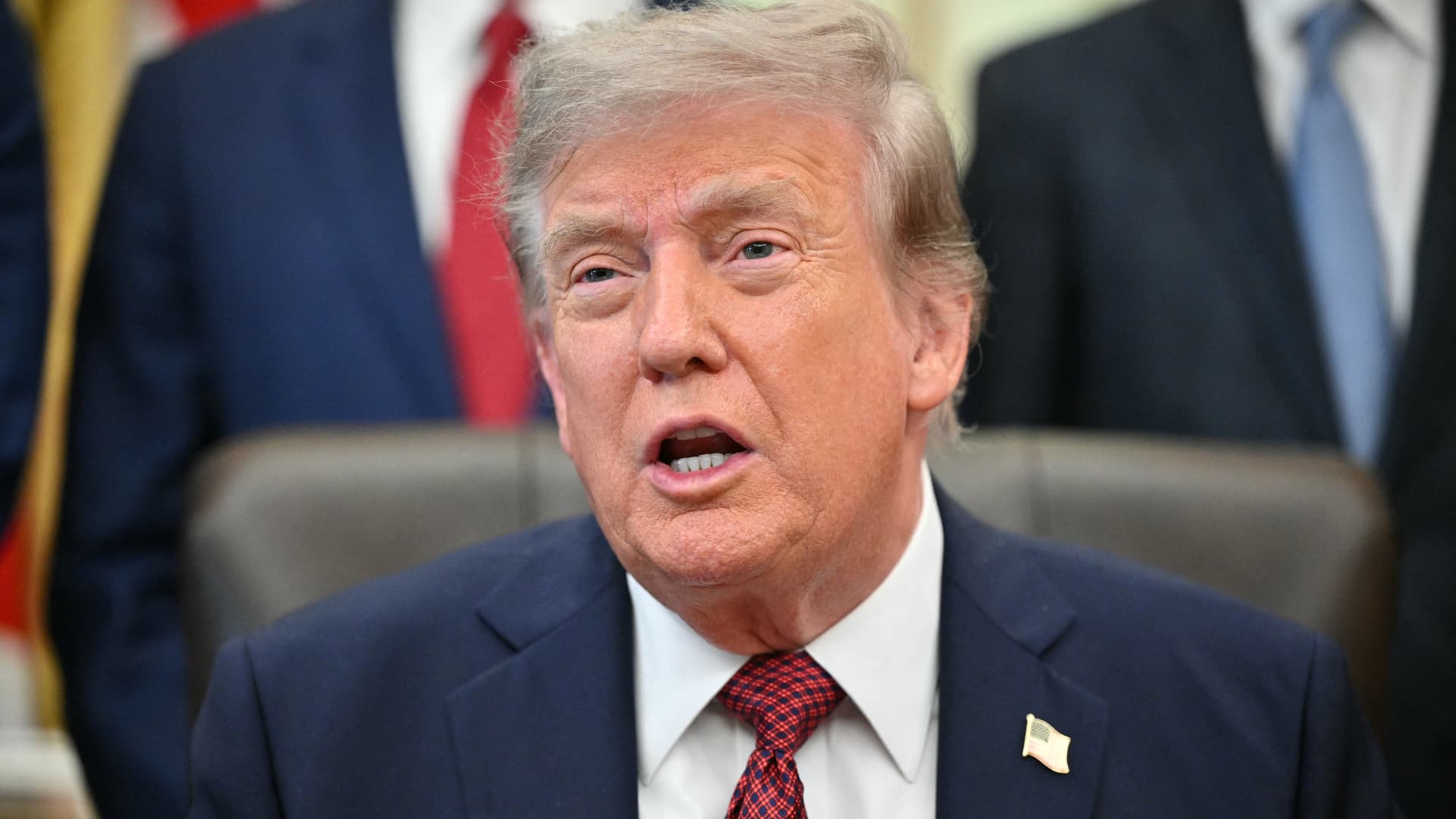
President Donald Trump announced that the U.S. has generated over $13 billion from Venezuelan oil exports since taking control of the country's energy sector. This move follows the military capture of former President Nicolas Maduro in January 2026.
The Shift in Venezuelan Energy Control
In a significant development regarding U.S. foreign policy and energy strategy, President Donald Trump has confirmed that the United States has successfully sold over $13 billion worth of Venezuelan oil. This milestone follows the U.S. government's takeover of Venezuela's energy exports, a move that occurred after the military capture of former President Nicolas Maduro on January 3, 2026. This consolidation of power over a major oil-producing nation represents a radical departure from traditional diplomatic norms and signals a new era of direct U.S. intervention in global resource management.
Economic Implications of the Seizure
The $13 billion figure, which President Trump suggested might be even higher, underscores the massive revenue potential of Venezuelan oil fields when managed under U.S. oversight. By asserting control over these exports, the administration has effectively redirected funds that were previously channeled through the Maduro regime. This financial maneuver, as described by the President while traveling to a General Motors facility, is framed by the administration as a means to recoup the costs associated with the military operations conducted in the region, with the President explicitly stating, "We've paid for that war many times over."
The Impact of Military Intervention
The capture of Nicolas Maduro in January 2026 serves as the primary catalyst for this shift in energy policy. The military raid fundamentally dismantled the previous power structure in Caracas, allowing the U.S. to bypass international oil markets and directly manage the distribution and sale of Venezuelan crude. This intervention has sparked intense scrutiny, with members of Congress questioning the long-term legal and ethical implications of the U.S. acting as the de facto manager of a foreign nation's primary economic asset.
Challenges and Congressional Oversight
Despite the economic windfall, the situation has ignited a fierce debate within the halls of Congress. Democratic lawmakers are actively pressing for transparency regarding how these funds are being utilized and the legal basis for the ongoing control of Venezuelan energy assets. The administration's claim that the proceeds are covering the costs of the intervention highlights a controversial precedent: the use of seized foreign resources to finance the military actions that led to their acquisition.
Future Trends in Energy Diplomacy
Looking ahead, the success of this model—where military force is directly linked to the acquisition and sale of energy resources—could reshape how the United States approaches geopolitical instability in resource-rich regions. If the current trend continues, we may see further integration between U.S. energy interests and military strategy. Analysts will be watching closely to see how international markets react to this sustained U.S. control and whether this strategy will remain a permanent fixture of the current administration's foreign policy or if it will face significant legislative or judicial pushback.