Trump-Xi summit: $14 billion Taiwan arms deal hangs over Washington talks
Source Entity
PRISHA PATNAIK
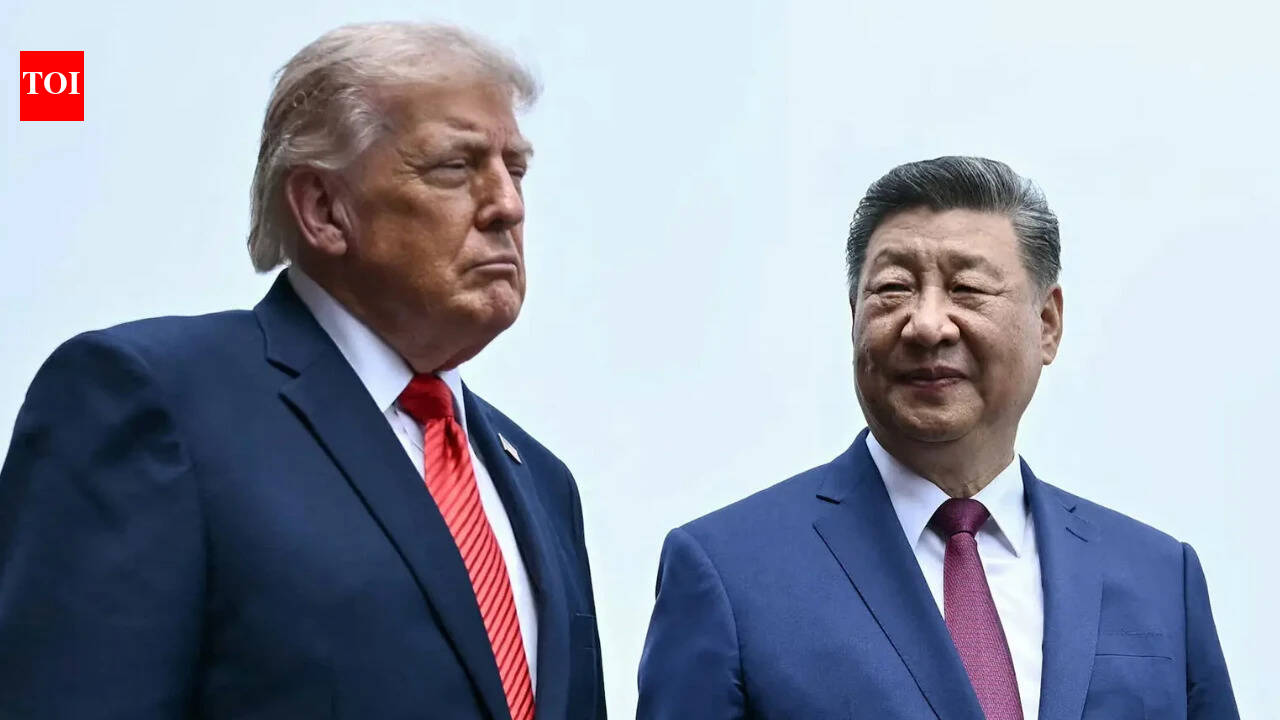
Chinese President Xi Jinping is set to meet President Donald Trump in Washington, with the $14 billion Taiwan arms deal serving as a primary point of contention. Beijing is expected to demand an end to these sales, citing a 1982 agreement to justify its stance on sovereignty.
The High-Stakes Diplomacy of the Trump-Xi Summit
As President Xi Jinping prepares for a pivotal visit to Washington for a summit with President Donald Trump, the geopolitical atmosphere is charged with long-standing tensions. Central to these discussions is the status of the $14 billion arms deal intended for Taiwan, a package that remains currently on hold. This meeting represents a critical juncture where the two global powers must navigate the intersection of domestic sovereignty claims and international security commitments.
The Taiwan Arms Deal: A Core Sovereignty Issue
The stalled $14 billion arms package has become a focal point of diplomatic friction between the United States and China. Beijing views Taiwan as an integral part of its sovereign territory, and consequently, views any military assistance provided by the United States to the island as an affront to its national integrity. The insistence from Beijing that these arms deliveries be permanently halted underscores the depth of the disagreement, as China continues to pressure Washington to prioritize its relationship with the mainland over its commitment to Taipei.
Historical Context: The 1982 Agreement
To justify its position, Beijing is expected to invoke the 1982 US-China joint communique. This historical agreement, which outlines the parameters of the US-China relationship, includes language that commits Washington to a gradual reduction of weapons sales to Taiwan. By leaning on this document, China is attempting to hold the United States to a specific interpretation of past diplomatic promises, framing the current arms deal not merely as a policy choice, but as a violation of established bilateral precedents.
Potential for Diplomatic Confrontation
The atmosphere of the upcoming summit is further complicated by the expectation that President Xi may take a firm stance, potentially 'lecturing' President Trump on the necessity of ending the arms sales. This confrontational approach highlights that for Beijing, the Taiwan issue is non-negotiable. The rhetoric surrounding this meeting suggests that discussions will move beyond standard economic trade talk into the more volatile territory of national security and territorial sovereignty.
Broader Implications and Future Trends
The outcome of these talks will have lasting implications for the Indo-Pacific region. If the United States proceeds with the $14 billion arms deal, it risks significant retaliation from Beijing and a further cooling of diplomatic relations. Conversely, backing down could be perceived as a concession of influence in the region. Observers are watching closely to see if the two leaders can find a middle ground or if the summit will serve to solidify the hardening lines between the two superpowers, setting the stage for increased tension in the months to come.
Multiple Citing Sources