Xi Jinping US visit: Warm words, lavish ceremony. But what did Trump get in return? Key takeaways
Source Entity
The Indian Express
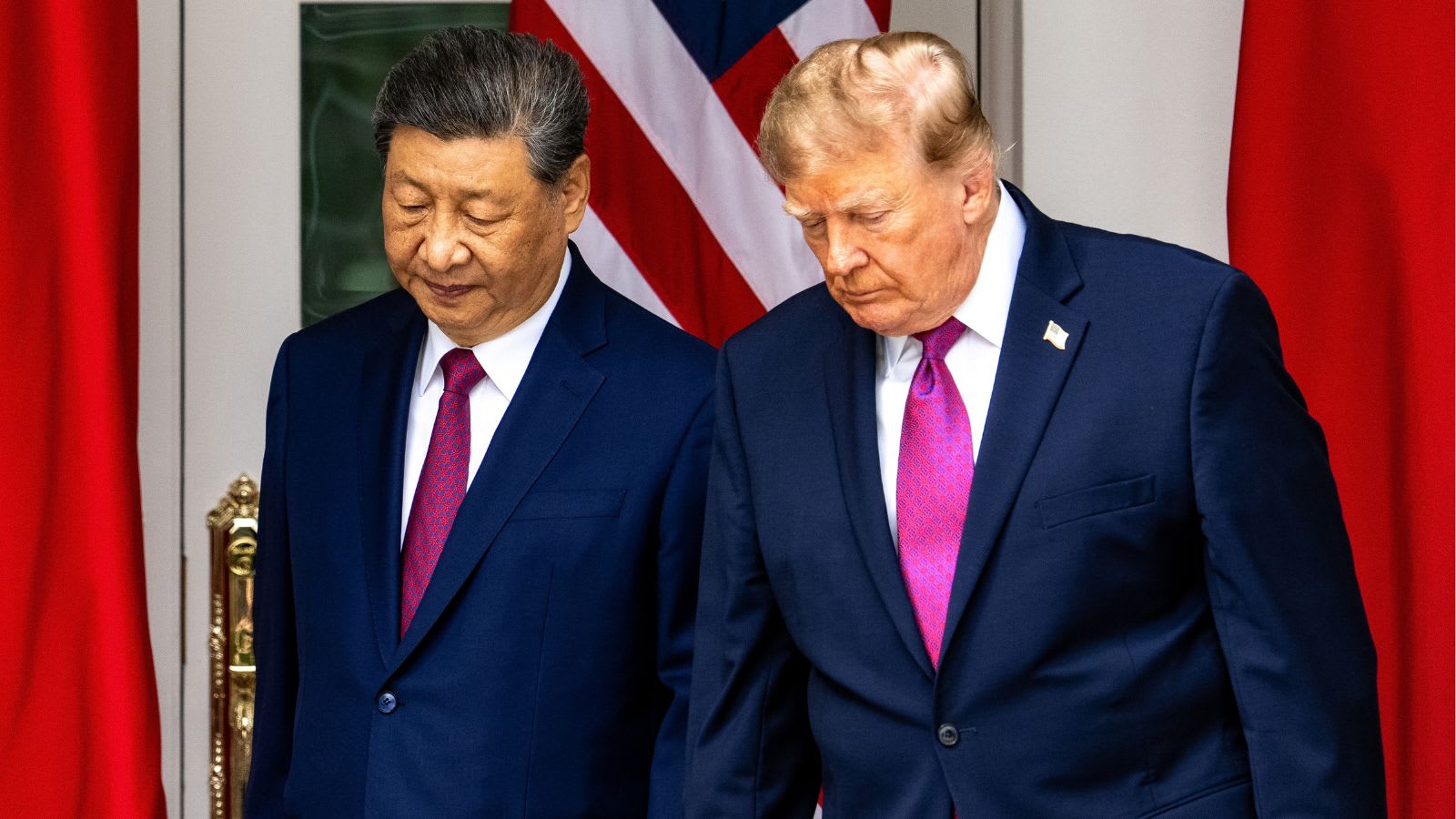
A recent high-stakes summit between President Trump and President Xi focused on easing tensions across trade, technology, and geopolitics. Despite ongoing disagreements, a surprise surge in U.S. orders for Chinese goods suggests businesses are positioning for continued bilateral stability.
The Geopolitical Balancing Act: Trump-Xi Summit Analysis
Economic Resilience Amidst Political Tension
Recent data from a China Beige Book survey of 1,296 companies reveals a surprising uptick in U.S. orders for Chinese goods throughout September. This economic rebound, observed at major logistics hubs like Shenzhen’s Yantian Port, indicates that the private sector is hedging against volatility. As companies anticipate continued stability between the world’s two largest economies, the rise in shipments on both a yearly and monthly basis suggests that despite high-level friction, the underlying supply chain integration remains robust.
Navigating the Thucydides Trap
During the high-stakes talks at the White House, President Xi Jinping explicitly cautioned against the "Thucydides Trap," a historical framework suggesting that an established power and a rising power are structurally prone to conflict. By invoking this concept, Xi framed the current U.S.-China relationship as a pivotal moment requiring diplomatic restraint. The discussions spanned critical flashpoints, including Iran, Taiwan, and the rapidly evolving field of artificial intelligence, highlighting the complexity of managing a relationship defined by both deep competition and unavoidable interdependence.
The Symbolism of Diplomacy
Beyond the policy negotiations, the state dinner served as a stage for traditional diplomatic signaling. President Trump’s presentation of a bald eagle sculpture to President Xi served as a carefully curated gesture, with the POTUS describing the gift as an embodiment of the "free and soaring spirit of America." While such gestures are often viewed as soft power, in the context of a summit fraught with disagreements over trade and national security, they underscore the administration's attempt to balance assertive rhetoric with the necessary optics of a constructive personal rapport.
Trade Dynamics and Tariff Positioning
The "surprise" jump in orders cited by China Beige Book is directly linked to an improved relative tariff position for Chinese firms. This suggests that market actors are highly sensitive to the regulatory environment and are quick to capitalize on any perceived easing of trade barriers. For businesses, the summit was not merely a diplomatic event but a signal to adjust inventory and procurement strategies in anticipation of a cooling-off period in trade hostilities.
Future Implications and Trends
Looking forward, the success of this summit will be measured by whether the "warm words" and ceremonial exchanges translate into tangible policy shifts regarding AI governance and regional security. The current strategy of maintaining economic cooperation while managing ideological and geopolitical competition remains the primary challenge for both administrations. If the stability observed in the private sector persists, it may provide the necessary breathing room for more substantive long-term agreements on the contentious issues of technology and global influence.
Multiple Citing Sources