Ukraine strikes Russian oil refinery, train in overnight drone attacks; 2 killed
Source Entity
RAJEEV SINGH
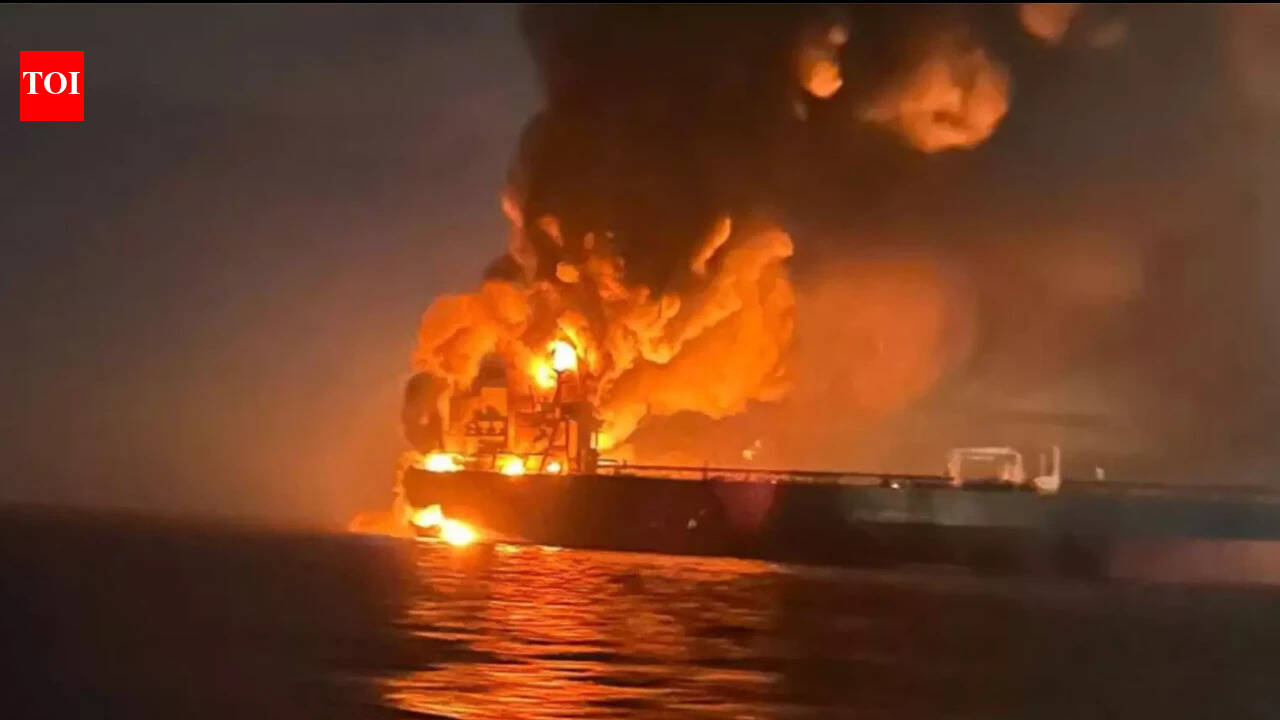
Ukrainian forces launched a large-scale overnight drone barrage across several Russian regions, resulting in two deaths and significant damage to industrial and civilian infrastructure. Key targets included oil refineries in Rostov and Perm, as well as transport and electronics facilities.
Escalation in Aerial Warfare: Ukraine’s Strategic Drone Campaign
The recent series of overnight drone strikes across multiple Russian regions marks a significant intensification in the aerial conflict between Ukraine and Russia. By targeting critical infrastructure, including the Novoshakhtinsk oil refinery in the Rostov region and industrial sites in Ulyanovsk and Perm, Ukraine is signaling a shift toward disrupting the economic and logistical foundations of the Russian war effort. The sheer scale of the attack, with Russian officials claiming hundreds of drones were neutralized, underscores the increasing reliance on asymmetric warfare to compensate for conventional battlefield limitations.
Impact on Energy and Industrial Infrastructure
The temporary suspension of operations at the Novoshakhtinsk oil refinery serves as a strategic blow to Russia's fuel production capabilities. Energy infrastructure remains a high-value target; by forcing closures, Ukraine aims to limit the supply of refined products necessary for both military logistics and domestic economic stability. Furthermore, the damage reported in Ulyanovsk—a region housing a major electronics plant—suggests that Ukrainian intelligence is targeting facilities critical to the production of military hardware and specialized components, expanding the theater of war far beyond the front lines.
Humanitarian Toll and Civilian Risk
While the primary targets appear to be industrial, the human cost of these operations is becoming increasingly evident. The confirmation of two fatalities—one in Belgorod following a truck strike and another in the Perm region—highlights the risks inherent in large-scale drone barrages. Additionally, the injury of eight individuals in Ulyanovsk, where civilian infrastructure was damaged alongside industrial sites, raises concerns regarding the proximity of these facilities to residential areas. This pattern of destruction reflects a broader trend where industrial zones in Russia are becoming increasingly militarized and, consequently, more vulnerable to kinetic strikes.
Logistical Disruption in Samara
Beyond the industrial sector, the reported hit on a passenger train in the Samara region introduces a new layer of complexity to the conflict. Targeting transport infrastructure disrupts the movement of goods and people, potentially complicating the Russian government's ability to maintain internal logistics. Such strikes exert psychological pressure on the domestic population and challenge the Kremlin’s narrative that the war remains contained within specific combat zones.
Strategic Implications and Future Trends
Looking ahead, this campaign suggests that Ukraine is prioritizing the degradation of Russia's rear-area logistics over static defensive positioning. As Russia's air defense systems, such as those that purportedly intercepted hundreds of incoming drones, are stretched thin, the frequency of these deep-strike missions is likely to increase. This evolution in tactics forces Russia to divert valuable air defense assets away from the front lines to protect its industrial heartland, creating a strategic trade-off that may influence the trajectory of future ground operations.
Conclusion
The overnight strikes represent a coordinated effort by Ukraine to project power deep into Russian territory. By hitting oil refineries, electronics plants, and transit networks, Ukraine is attempting to erode Russia’s material advantage. As both nations continue to refine their offensive and defensive capabilities in this drone-heavy environment, the vulnerability of critical infrastructure remains a defining feature of the ongoing conflict.