Tucker Carlson blames Iran war for Republican losses, calls it ‘end of the Trump era’ and Fox News
Source Entity
Latest News: Todays Latest News Headlines from India & World | Hindustan Times
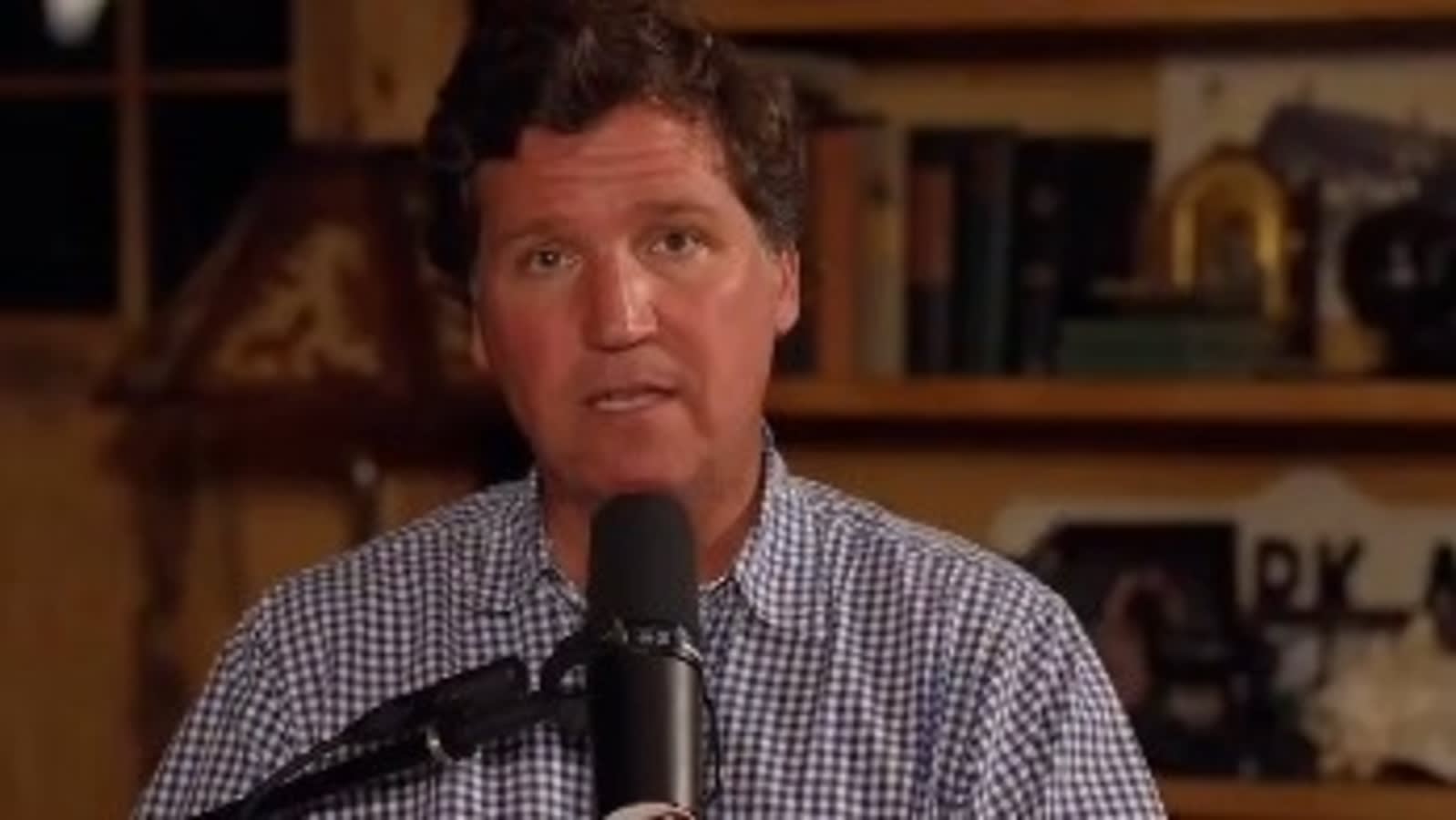
Tucker Carlson attributes recent Republican electoral losses to US involvement in the Iran conflict and poor candidate selection. He posits these developments signal the end of the Trump era within the party.
The Shifting Landscape of Republican Strategy
Recent political discourse has been dominated by a critical post-mortem of the Republican Party's performance in the midterms. Prominent media figure Tucker Carlson has emerged as a vocal critic, arguing that the party’s strategic missteps—specifically regarding foreign policy and candidate selection—have precipitated a profound shift in the political landscape. According to Carlson, the decision to engage in the Iran conflict alienated a core segment of the traditional Trump-aligned voter base, effectively signaling what he terms the "end of the Trump era."
The Impact of Foreign Policy on Domestic Support
At the heart of the critique is the argument that US interventionism in Iran directly contradicted the populist "America First" agenda that defined Donald Trump’s presidency. Carlson highlights polling data that suggests widespread public opposition to the conflict, positing that this disconnect caused significant electoral attrition. By diverging from the non-interventionist stance that many voters expected, the party appears to have lost its grip on a key constituency that prioritized domestic stability over foreign military entanglements.
Candidate Selection and Internal Friction
Beyond foreign policy, Carlson points to a systemic failure in the candidate selection process as a primary driver of the party's poor performance. He explicitly criticized the support given to candidates such as Vivek Ramaswamy and Mike Rogers, suggesting they were ill-suited for their specific races. Furthermore, his characterization of Darline Graham’s nomination as a "humiliation ritual" underscores a deep-seated frustration with the current state of party leadership and the vetting mechanisms that allow certain figures to rise to the forefront of national politics.
The "End of the Trump Era" Narrative
Carlson’s assertion that we are witnessing the "end of the Trump era" is a significant departure from previous party narratives. It suggests that the ideological foundation that once unified the GOP is fracturing under the weight of conflicting priorities. If, as Carlson argues, the party has weakened its own chances by backing unsuitable candidates and abandoning its core voter base through foreign policy choices, the future of the movement remains highly uncertain.
Future Implications and Party Realignment
Looking ahead, the Republican Party faces a difficult period of introspection. The confluence of internal dissatisfaction with candidate quality and the electoral fallout from foreign policy decisions suggests a potential realignment. Whether the party can reconcile these internal divisions or whether this marks a permanent transition away from the Trumpian model remains the central question for political analysts. The coming cycles will likely determine if this "end of an era" is a temporary setback or a permanent transformation of the conservative movement.
Verification Required?