Parsi Dairy, K Rustom raids: Restaurant body breaks silence, backs raids but seeks due process
Source Entity
Heena Khandelwal
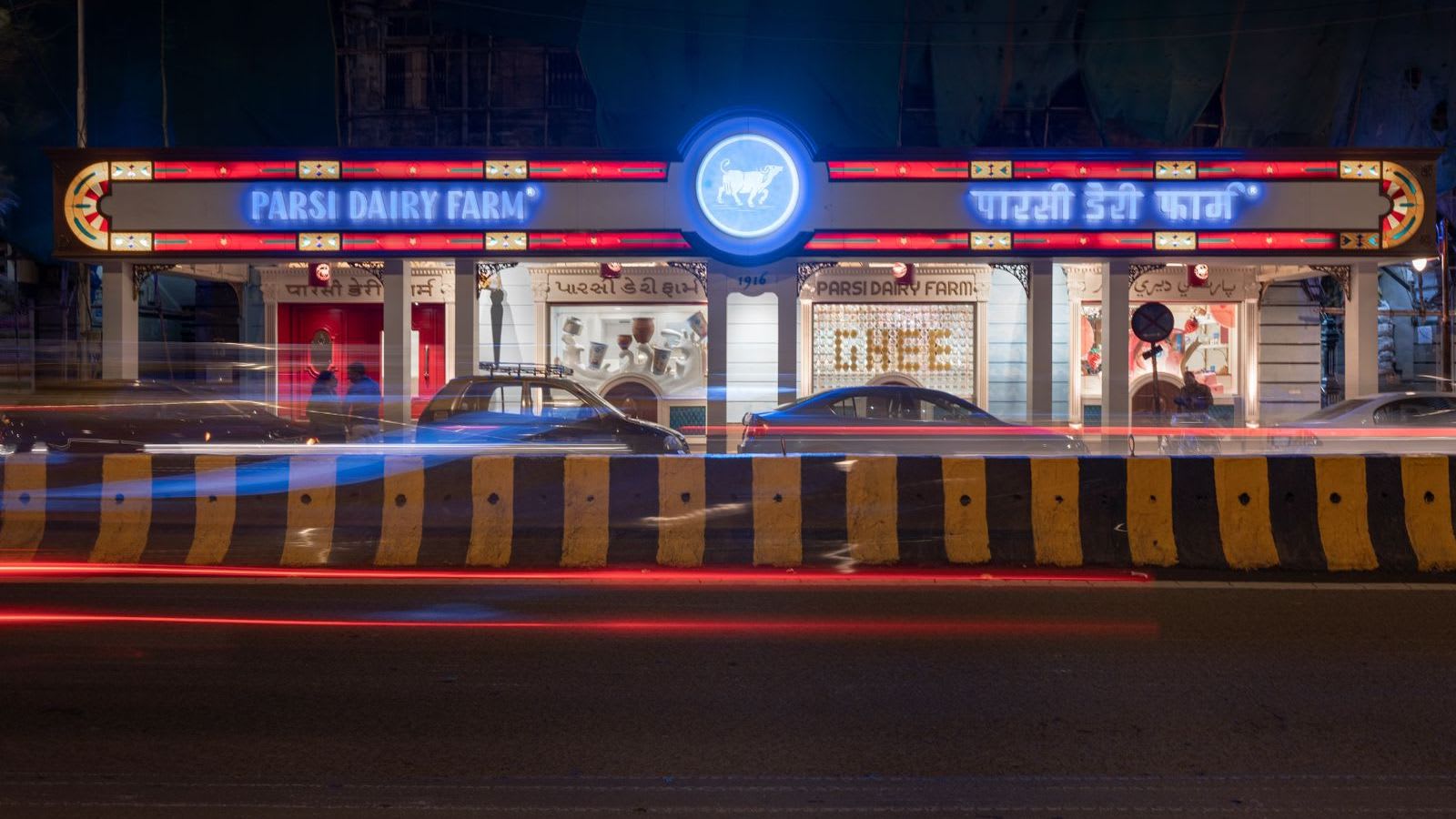
IAS officer Tukaram Mundhe has initiated a rigorous statewide food safety crackdown in Maharashtra, targeting iconic eateries and manufacturers for hygiene violations. While the industry association NRAI supports the enforcement, they are calling for greater transparency and due process in these regulatory actions.
The Maharashtra Food Safety Overhaul: An Analytical Overview
The Rise of a Disciplinarian
Since assuming the role of Maharashtra’s Food and Drug Administration (FDA) Commissioner on May 25, IAS officer Tukaram Mundhe has become the focal point of a state-wide regulatory resurgence. Known for a career defined by frequent transfers—25 in 21 years—Mundhe has brought a reputation for uncompromising administrative rigor to the FDA. His current tenure is characterized by a sweeping enforcement drive that spans the entire food supply chain, from large-scale manufacturers and wholesalers to local retailers and historic eateries.
The Scope of the Crackdown
Under Mundhe’s leadership, the FDA has moved beyond routine inspections into high-impact enforcement. The scale of the operation is significant, with hundreds of establishments under scrutiny. Specifically, the dairy sector has faced intense oversight, with over 360 establishments inspected within a short window. High-profile actions, such as the suspension of the food business license for the 110-year-old Parsi Dairy Farm and raids on iconic Mumbai institutions like K Rustom and Noor Mohammadi Hotel, signal a shift toward holding even legacy brands accountable for hygiene and safety standards.
Broader Implications and Public Health
This campaign, often linked to the broader "Safe Food, Safe Medicines, Safe Maharashtra" initiative, highlights the government's intent to curb food adulteration and health risks. Beyond food, the FDA has also targeted pharmaceutical safety, notably seizing stocks of Aciloc 150 and Aciloc 300 worth approximately ₹2.45 crore. These actions demonstrate a concerted effort to mitigate public health risks by tightening oversight on both consumption goods and medicinal supply chains.
Industry Response and the Call for Due Process
The intensity of these raids has necessitated a response from the National Restaurant Association of India (NRAI). While the association has publicly supported the drive, emphasizing that strict action against violators is necessary for public health, it has simultaneously called for a balanced approach. The NRAI’s request for "fair, transparent and free from excessive discretion" enforcement underscores the tension between aggressive regulatory action and the need for a predictable business environment.
Future Trends and Regulatory Equilibrium
The ongoing situation suggests a future where food safety compliance will likely become a primary operational cost for businesses in Maharashtra. The emphasis on "consistent standards" and "accountable enforcement" requested by industry bodies indicates that while the current crackdown is welcomed in principle, its long-term success will depend on whether the FDA can institutionalize these standards without stifling the industry. As judicial proceedings continue—such as the extension of custody for individuals involved in ongoing cases—the legal outcomes will likely set precedents for how strictly food safety laws are interpreted and applied moving forward.
Conclusion
Tukaram Mundhe’s tenure represents a pivotal moment for public health regulation in Maharashtra. By balancing high-profile enforcement with the industry's demand for due process, the state is attempting to build a more robust food safety ecosystem. Whether this intensity can be sustained through systematic improvements rather than just punitive measures remains the central question for the state’s regulatory future.
Multiple Citing Sources