Turkey's main opposition splits as Ozgur Ozel launches new party
Source Entity
TOI WORLD DESK
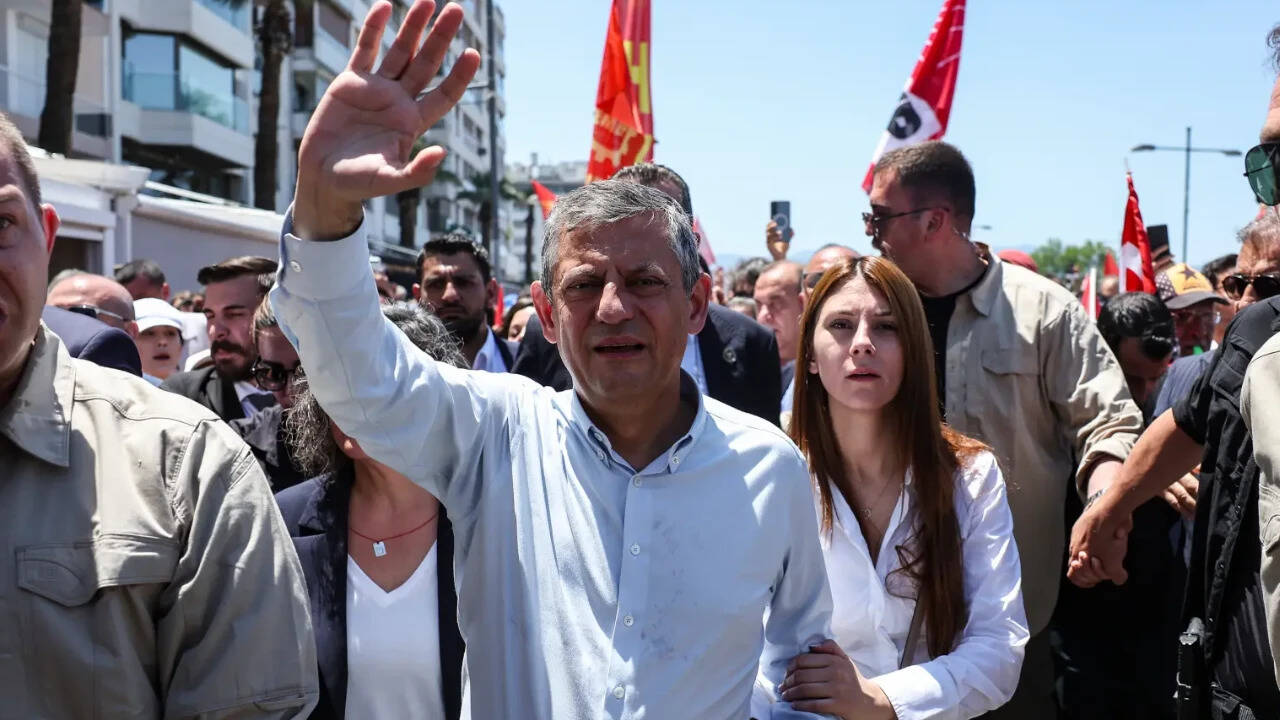
Ozgur Ozel has announced his departure from Turkey's main opposition party, the CHP, to form a new political entity following a court ruling reinstating former leader Kemal Kilicdaroglu. This significant fracture within the opposition is expected to weaken their collective influence and potentially solidify President Erdogan's political grip.
The Fracture of Turkey's Opposition Landscape
In a seismic shift for Turkish politics, Ozgur Ozel, the prominent opposition leader, has officially announced his departure from the Republican People's Party (CHP). This decision comes as a direct response to a contentious court ruling from May, which annulled the party’s 2023 congress and forcibly reinstated former leader Kemal Kilicdaroglu. Ozel and his allies have characterized this legal intervention as politically motivated, viewing it as a calculated attempt to destabilize the opposition’s momentum.
The Legal Catalyst and Institutional Crisis
The court’s decision to invalidate the 2023 congress represents a significant intervention into the internal governance of the CHP. By stripping Ozel of his chairmanship and restoring Kilicdaroglu, the judiciary has inadvertently triggered a structural crisis. For a party that prides itself on being the standard-bearer of secular, republican values in Turkey, this judicial interference serves as a stark reminder of the challenges facing democratic institutions in the current political climate.
The New Political Entity: A 'New Beginning'?
Ozel has framed the formation of his new party as a 'hopeful new beginning' for opposition politics in Turkey. With a majority of current CHP lawmakers expected to defect and join his new venture, the move suggests a significant realignment of loyalties. By attempting to consolidate his base outside the traditional structure of the CHP, Ozel is betting that he can maintain the support of the electorate that previously rallied behind his leadership, despite the legal hurdles placed in his path.
Implications for the Istanbul Factor
The role of key figures like Istanbul Mayor Ekrem Imamoglu remains a focal point of this transition. As a high-profile politician with significant grassroots support, Imamoglu’s alignment will be critical in determining the success of Ozel’s new party. The internal tension between the legacy of the Kilicdaroglu era and the reformist ambitions of the Ozel camp underscores a broader struggle for the identity of the Turkish opposition.
Strengthening the Incumbent
Perhaps the most significant consequence of this split is the potential strengthening of President Recep Tayyip Erdogan’s position. Historically, the effectiveness of the opposition in Turkey has been contingent upon its ability to present a unified front against the ruling AK Party. A divided opposition, distracted by internal legal battles and party formations, is inherently less capable of posing a credible electoral threat, thereby reinforcing Erdogan’s long-standing grip on power.
Future Outlook and Conclusion
Looking ahead, the fragmentation of the CHP will likely lead to a period of political volatility. The success of Ozel’s new party will depend on his ability to translate the support of his fellow lawmakers into broader public appeal while navigating further potential legal challenges. Ultimately, this split not only changes the composition of the opposition but also alters the strategic landscape of Turkish politics, potentially leaving the path clear for the incumbent government to consolidate its influence further.