Chinmayi Sripaada recalls how Jayalalithaa was treated in TN after Udhayanidhi Stalin's remark on Trisha Krishnan
Source Entity
Latest News: Todays Latest News Headlines from India & World | Hindustan Times | Hindustan Times
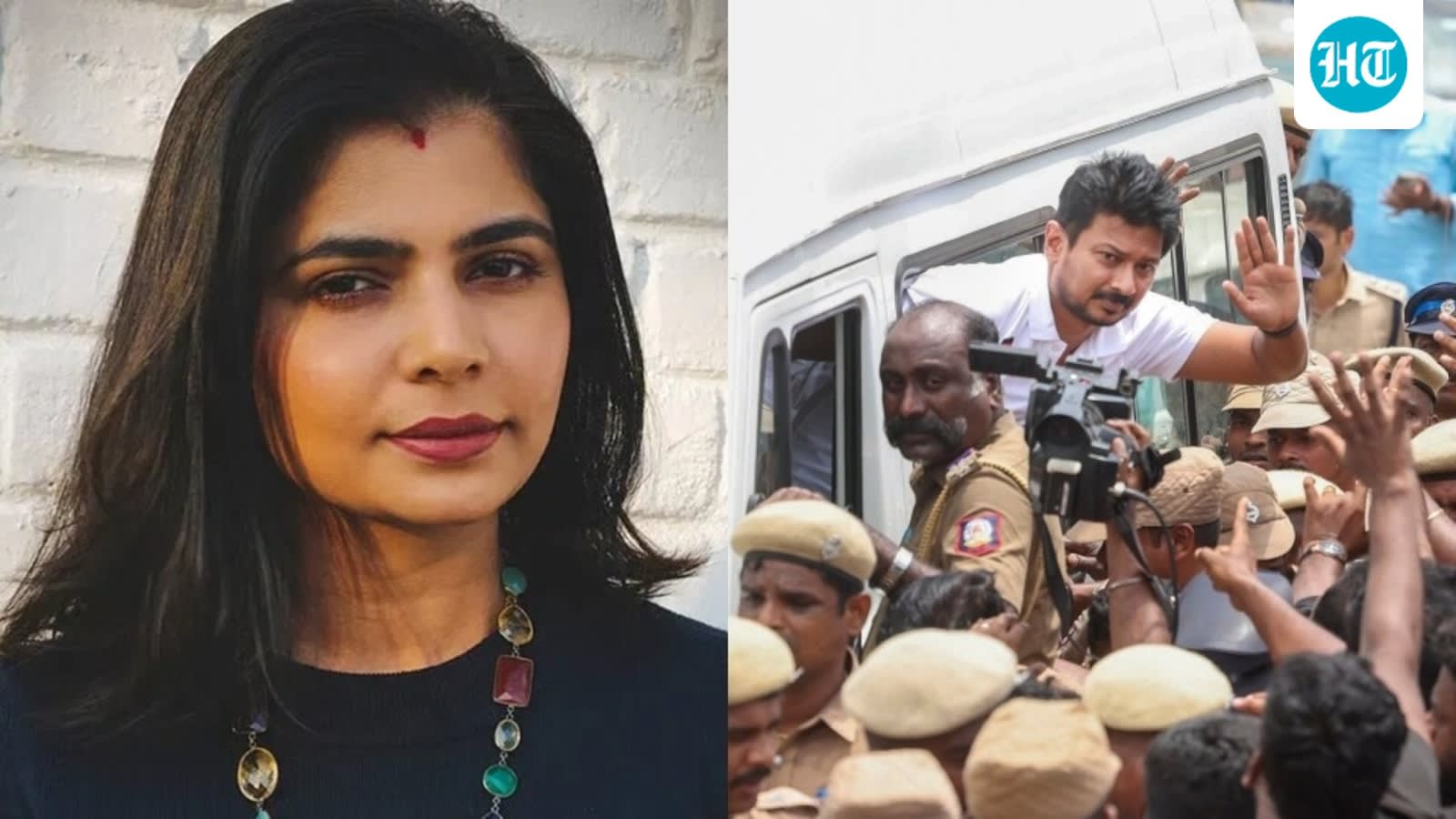
Udhayanidhi Stalin has been detained following public backlash over disparaging remarks made toward actor Trisha Krishnan and CM Vijay. The controversy has prompted legal complaints from the TVK party and led to widespread criticism regarding the political treatment of women in Tamil Nadu.
The Intersection of Political Rhetoric and Misogyny in Tamil Nadu
The recent detention of former Deputy Chief Minister and actor Udhayanidhi Stalin has ignited a firestorm within Tamil Nadu’s political landscape. The controversy stems from a rally in Thanjavur regarding the Cauvery dispute, where Stalin allegedly made double entendre and disparaging remarks concerning actor Trisha Krishnan and Chief Minister Vijay. This incident has shifted the discourse from substantive policy issues—specifically the critical water-sharing dispute—toward the broader, systemic problem of gender-based rhetoric in political campaigning.
The Legal and Institutional Fallout
Following the rally, the Tamilaga Vettri Kazhagam (TVK) party took swift action by filing a formal complaint with the National Commission for Women (NCW). The complaint alleges that Stalin’s comments constitute public obscenity and the outraging of women's modesty. By seeking legal proceedings and a public apology, the TVK is positioning itself as a defender of public decency, arguing that such remarks normalize the objectification of women in the public sphere and undermine the dignity of those targeted.
Historical Parallels and Gendered Attacks
Singer and activist Chinmayi Sripaada has emerged as a prominent voice in this discourse, drawing historical parallels between the current treatment of Trisha Krishnan and the past harassment faced by former Chief Minister Jayalalithaa. Sripaada’s intervention highlights a recurring pattern in Tamil Nadu politics: the tendency to weaponize personal attacks against women to deflect from or diminish political opponents. By recalling the disparagement Jayalalithaa endured, Sripaada underscores that this is not an isolated incident but part of a persistent, toxic political culture.
Impact on Political Discourse
Critics, including Khushbu Sundar, have labeled Stalin’s speech as "crass," demanding accountability for the normalization of such language. The focus on these remarks has effectively overshadowed the intended message of the rally—the Cauvery issue—demonstrating how inflammatory rhetoric can derail legitimate political agendas. This shift in focus suggests that while political parties often claim to prioritize public welfare, the propensity for ad hominem attacks frequently dominates the news cycle, alienating voters and degrading the standard of political debate.
Broader Implications and Future Trends
This incident serves as a litmus test for the accountability of public figures in the digital age. With the NCW involved and public figures like Chinmayi Sripaada demanding a shift in focus toward "actual issues," there is mounting pressure for political leaders to adhere to higher standards of conduct. If this case results in formal legal consequences, it could set a significant precedent for how "double meaning" or sexually suggestive remarks are treated under the law, potentially curbing the use of such language in future election cycles and public rallies.
Verification Required?