Uefa reacts with fury to Infantino World Cup plan
Source Entity
BBC News
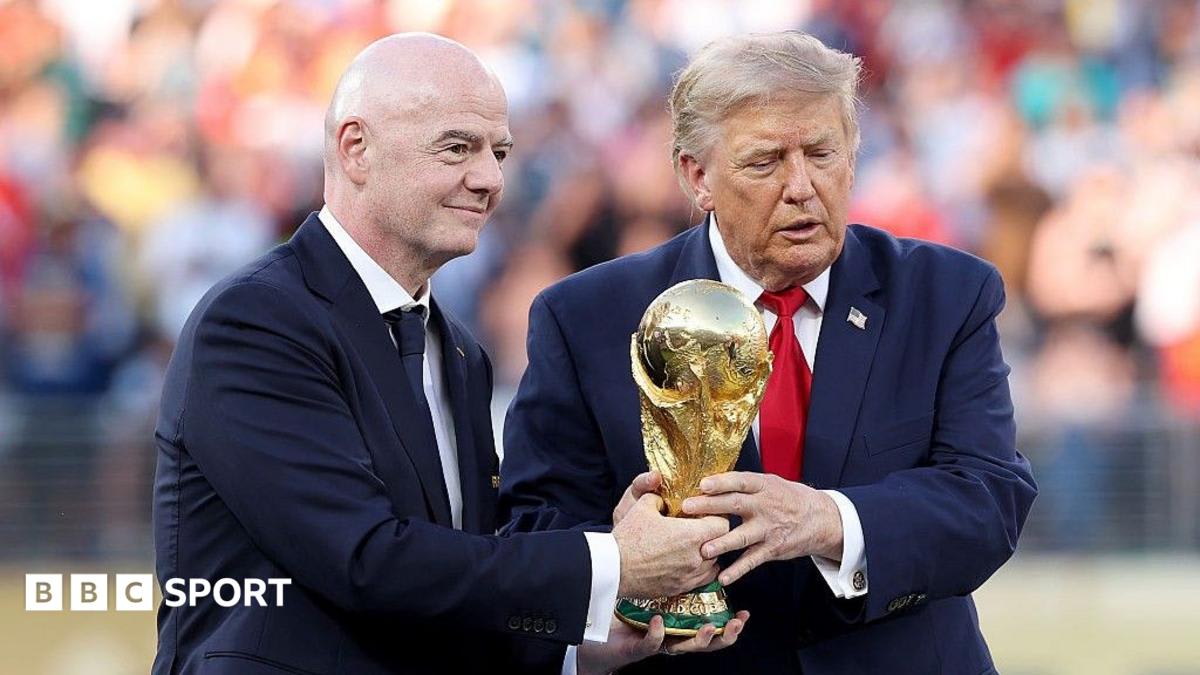
UEFA has strongly condemned FIFA’s proposal to seek private investment for the World Cup, labeling it an unacceptable breach of governing ethics. The conflict centers on FIFA's plan to create a commercial entity to manage tournaments, which UEFA argues threatens the sport's integrity.
The Governance Crisis: UEFA vs. FIFA
The landscape of international football is currently embroiled in a significant governance dispute between UEFA, the European governing body, and FIFA, the sport’s global authority. At the heart of this conflict is FIFA’s ambitious, yet highly controversial, proposal to seek private investment for its major competitions, most notably the FIFA World Cup. By intending to create a new commercial entity to manage these tournaments, FIFA seeks to leverage private capital, a move that has drawn immediate and fierce opposition from European leadership.
The Ethical Boundary of Governance
UEFA’s response has been categorical, labeling the initiative as a "line that football's governing institutions should never cross." The core of this argument rests on the principle of stewardship rather than ownership. UEFA asserts that the World Cup is a global cultural asset—a public good belonging to the sport’s history and its fans—rather than a commercial product that can be sold to private equity or corporate entities for profit. This philosophical divide highlights the tension between the commercialization of sports and the traditional responsibilities of a non-profit governing body.
Financial Ambitions and Transparency Concerns
FIFA, under President Gianni Infantino, defends the plan as a necessary evolution to increase global football development funding to over $10 billion. While FIFA frames this as a growth strategy, critics, including reports from the Financial Times and The Times, have pointed to the personal financial implications for leadership, with estimates suggesting the structure could yield significant personal earnings for the FIFA president. This has triggered intense scrutiny regarding the transparency and governance standards applied to such a massive financial restructuring.
A Shift in Power Dynamics
This clash represents a broader shift in how global sports are managed in the 21st century. The move to involve private equity in the World Cup—the most profitable sporting event on the planet—signals a desire by FIFA to bypass traditional revenue models in favor of massive, immediate capital injections. However, by challenging the traditional governance model, FIFA risks alienating its most powerful confederation, UEFA, which fears that private investors will prioritize return on investment over the long-term health and inclusivity of the sport.
Implications for the Future of Football
If FIFA proceeds with this plan, it could fundamentally alter the relationship between international federations and the sport they govern. The potential for private interests to influence tournament structures, schedules, or host selections raises questions about the future of football's integrity. As the debate continues, the sport faces a pivotal moment: whether to embrace a model of aggressive commercialization or to reinforce the existing, albeit strained, structures that have historically managed the world's most popular game.