UK will have 'voice' but no vote on EU food rules in Brexit reset
Source Entity
BBC News
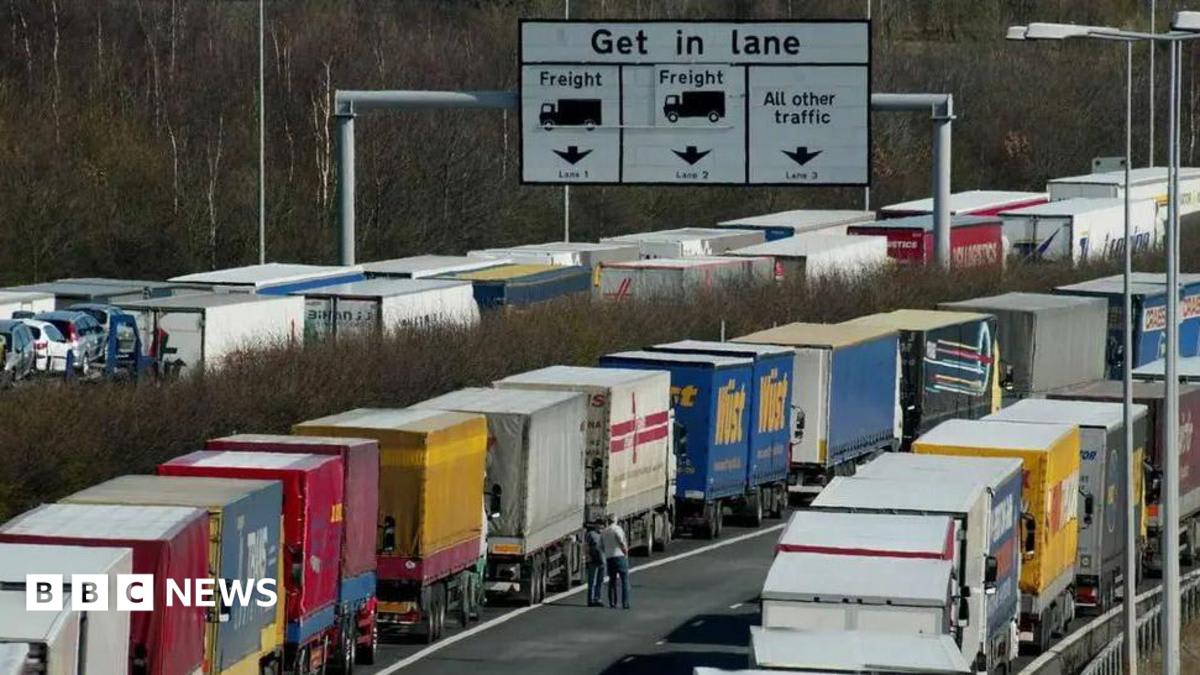
The UK government is pursuing a 'Brexit reset' aimed at reducing food-related red tape through closer alignment with EU standards. While officials promise a 'voice' in policy discussions, critics warn the UK risks becoming a rule-taker without voting power.
The UK's Strategic Pivot: Navigating a Post-Brexit Food Accord
The recent proposal for a 'Brexit reset' regarding food regulations marks a significant shift in the United Kingdom's post-departure relationship with the European Union. By seeking closer alignment on food standards, the current administration, led by Prime Minister Andy Burnham, aims to mitigate the logistical friction and bureaucratic overhead that have hampered trade since the UK left the bloc. This effort is framed as a pragmatic approach to reducing red tape, which has arguably contributed to higher consumer prices and supply chain volatility.
The 'Voice but No Vote' Dilemma
At the heart of the negotiations is a delicate compromise. EU relations minister Hamish Falconer has explicitly stated that while the UK will maintain a 'voice in the room' during policy formation, it will not possess a formal vote. This arrangement places the UK in a unique position of administrative proximity to the EU’s Single Market without the political agency typically afforded to member states. Critics argue that this dynamic renders the UK a 'rule-taker,' forced to adopt standards set by Brussels while having no ultimate say in the legislative outcomes that govern its domestic market.
Economic Implications and Price Controls
The primary driver for this alignment is the potential for economic relief. By harmonizing food standards, the government expects to streamline imports and exports, effectively lowering costs for shoppers who have faced inflationary pressures in recent years. Falconer’s assertion that the deal could bring down prices is a central pillar of the administration's economic platform. By reducing the regulatory burden on food producers and distributors, the government hopes to restore a level of trade fluidity that has been absent since the UK-EU transition period concluded.
Safeguards and Political Volatility
A critical component of the proposed deal is the inclusion of an 'exit clause.' Recognizing the volatile nature of domestic politics, Minister Falconer noted that it is reasonable to account for future governance changes. Specifically, the provision addresses the possibility that a future Conservative or Reform government might seek to reverse this alignment. This safeguard is intended to provide long-term structural stability while respecting the sovereignty of future administrations to pivot their foreign policy.
Future Trends in UK-EU Relations
Looking ahead, this 'reset' could serve as a template for other sectors beyond food. If this arrangement succeeds in lowering costs without significant political backlash, it may pave the way for similar 'voice-only' agreements in other regulatory areas. However, the success of this strategy hinges on whether the UK public perceives the trade-off—sacrificing voting autonomy for economic efficiency—as a net positive for national sovereignty and living standards.
Conclusion
The current trajectory of UK-EU relations suggests a move toward pragmatic, sector-specific integration. While the 'Brexit reset' promises immediate relief through reduced red tape and potential price stabilization, it also invites intense scrutiny regarding the long-term impact of regulatory dependency. The coming summit will be a litmus test for whether the government can navigate the complex balance between economic necessity and the political mandates of post-Brexit Britain.